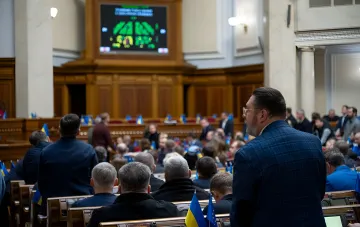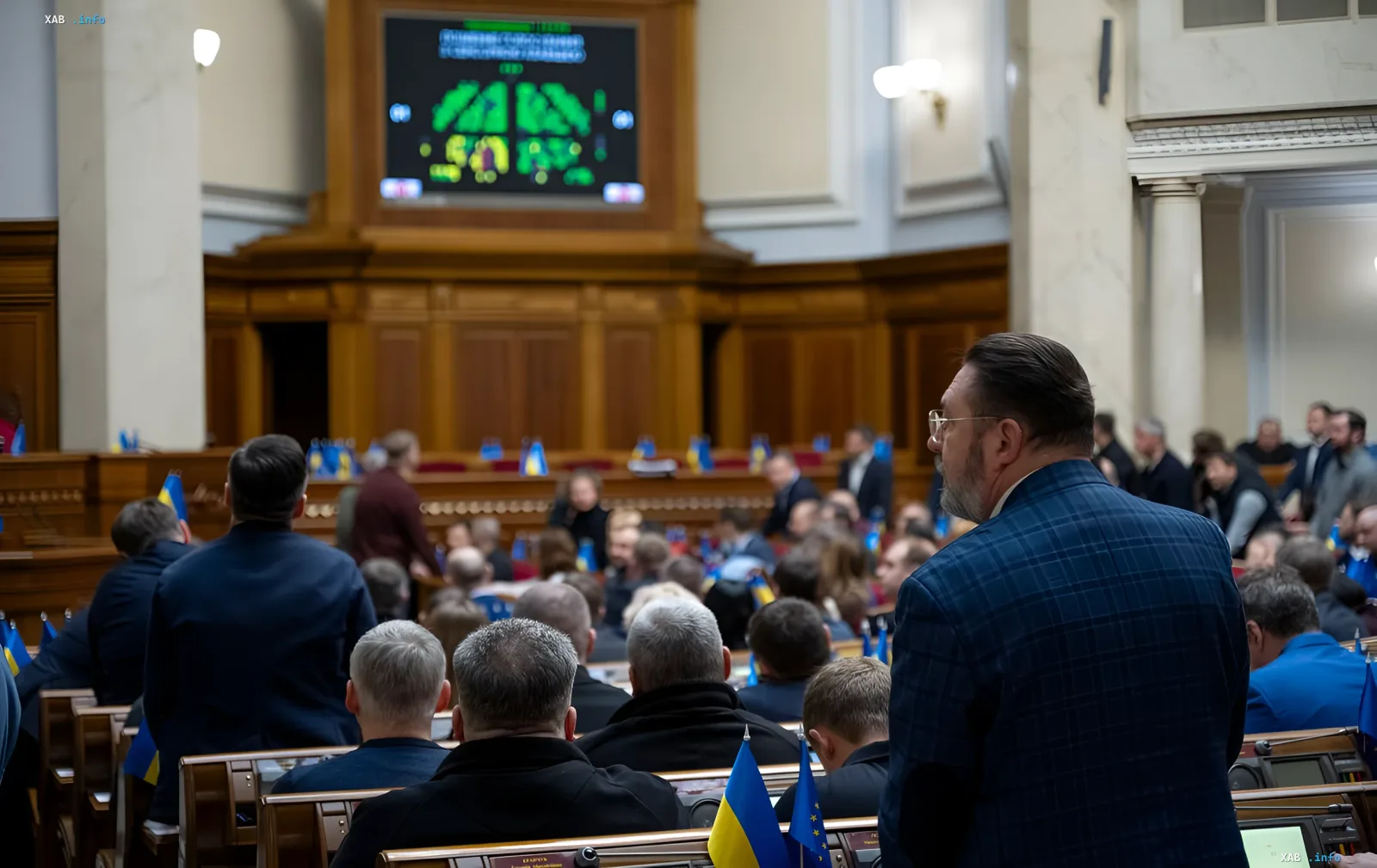
The Verkhovna Rada of Ukraine has taken a key step toward the state's European integration by passing bill No. 16119 in general, which regulates the educational rights of national minorities. A total of 266 MPs voted in favor of this decision. The adoption of this document is a mandatory condition for Ukraine to unblock the European Union accession process and open the next stages of negotiations at the upcoming intergovernmental conference.
Context and EU integration details
The issue of protecting the rights of national communities is traditionally at the center of attention of Ukraine's European partners, particularly Budapest. The new law aims to fulfill EU agreements and standards, ensuring a balance between the state Ukrainian language and the minority languages that are official languages of the European Union. It is important to note that the Russian language is not included in this list. The bill was registered in the Ukrainian parliament on October 1, 2026, and promptly went through all necessary voting stages, demonstrating a consensus in the parliamentary corps regarding the country's strategic vector of development.
Controversial data
While official government reports and parliamentary summaries focus exclusively on the EU integration aspect and language norms of bill No. 16119, some specialized sources and expert media are simultaneously covering related Verkhovna Rada initiatives passed during the same period. In particular, a section of independent observers notes discussions on whether the adopted document packages affect the educational rights of military personnel aged 18-25. Nevertheless, relevant Rada committees confirm that the main text of the law is strictly focused on EU obligations in the field of national minorities, while military personnel issues are regulated by separate regulatory acts.
Further steps and timelines
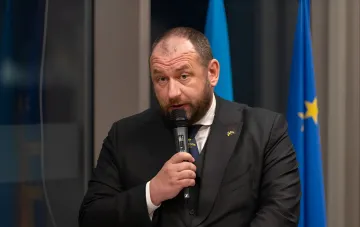
Following the successful vote in the session hall, the Chairman of the Verkhovna Rada of Ukraine was instructed to urgently sign the adopted law and send it to the Head of State for signature. Ukraine's Ambassador to Hungary Sándor Fegyir previously emphasized the importance of adhering to clear timeframes when implementing bilateral agreements with neighbors. According to established schedules, changes regarding the first points of the roadmap were to be introduced into national legislation in the autumn of 2026, while the remaining controversial issues are planned to be finally agreed upon and settled by May 2027.