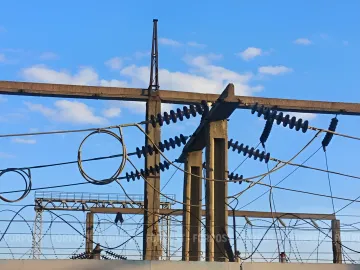
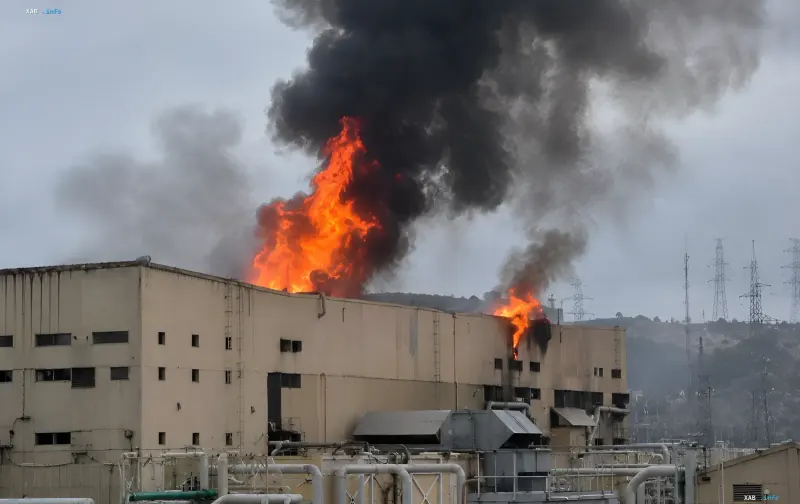
On the night of July 14, an event occurred in Crimea capable of radically changing the energy situation on the peninsula. Ukrainian Special Operations Forces (SSO), together with underground fighters from the Resistance Movement and Deep Strike units, carried out a successful operation to strike the Balaklava Thermal Power Plant (TPP) in Sevastopol.
Critical Damage to Generation
According to a statement by the special forces published in Telegram, the strike hit the machine shop of the plant, where the cooling system for one of the Siemens SGT5-2000E turbines is located. Preliminary data suggests that the pumping equipment may be destroyed. If confirmed, restoring the operability of this unit will take from two to five months.
Balaklava TPP is not just an infrastructure object but the energy backbone of occupied Crimea. According to SSO data, together with the Tavrida TPP in Simferopol, these plants cover about 90% of the peninsula's electricity needs. The strike on Balaklava deprives the region of half of its generating capacity.
Impact on Military Logistics
The energy collapse on the peninsula has direct consequences for the Russian army. Crimea serves as a key military logistics hub. The SSO emphasize that striking generating facilities significantly undermines the offensive and defensive capabilities of Russian troops, reducing the operational tempo and the resilience of rear support.
Part of a Large-Scale Campaign
The attack on Balaklava TPP was part of a series of large-scale strikes by the SSO against Russian energy and oil refining industries. On the same night, July 14, facilities of Gazprom Neftkhim Salavat in Bashkortostan were also hit.
This series of operations began earlier in early July: on July 6, Deep Strike units struck a Volganeft-class oil tanker and a terminal in the port of Kerch. On the same night, Ukrainian drones traveled more than three thousand kilometers to strike the Omsk Refinery — one of the largest in Russia, located beyond the Urals.