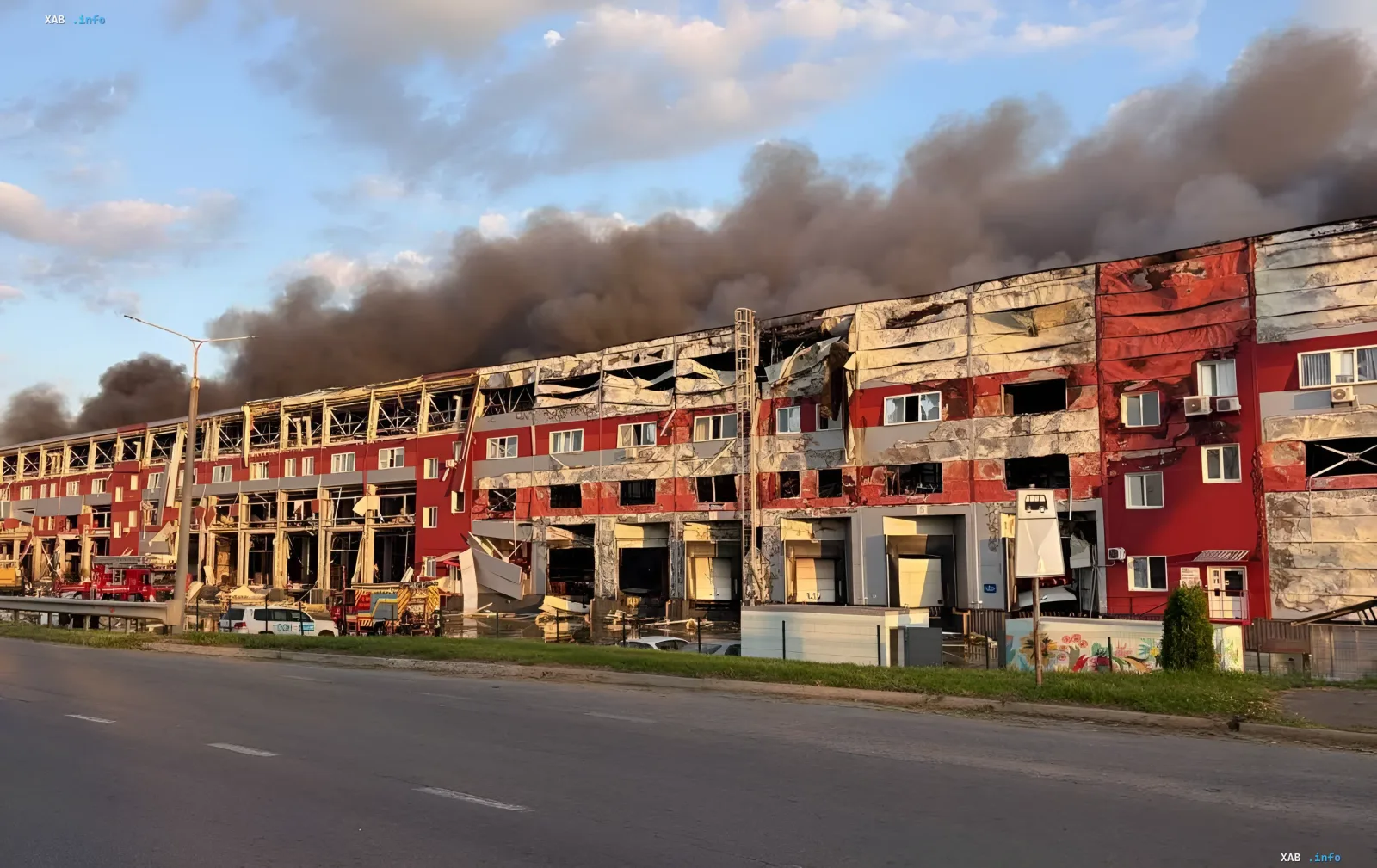
On July 19, an event occurred in the Kyiv region that caused a stir in international humanitarian circles. A strike was launched against a UNICEF mission in the settlement of Belohirka, resulting in the destruction of stocks of essential aid. The incident, described by representatives of the organization as a "horrifying sleepless night," led to massive destruction of infrastructure intended to support children and their families.
Scale of destruction and cost of losses
According to data provided by Ukraine's Ombudsman Dmytro Lubyntsev, more than 106,000 units of humanitarian cargo were destroyed as a result of the attack. The total value of the lost aid is estimated at nearly $3.9 million USD. These resources were intended for the daily saving of lives and support of the Ukrainian population under war conditions.
UNICEF representatives emphasized that damage to warehouses and attacks on humanitarian workers create critical obstacles to the delivery of aid. The organization called for an immediate cessation of attacks on children and humanitarian infrastructure, as such actions directly threaten the lives of vulnerable categories of citizens.
Reaction of Ukrainian authorities
Dmytro Lubyntsev called what happened a "cynical act" and a blow to the international humanitarian mission. The Ombudsman noted that UNICEF is a long-term partner of his office, and the attack on the warehouse is viewed as a crime against those saving lives.
The official's statement emphasizes that attacks on humanitarian objects are a gross violation of international humanitarian law. Lubyntsev cited alarming statistics: only in the past week, two children were killed and at least 50 more were injured. In June, the highest number of child deaths since the beginning of 2022 was recorded — 7 killed and 116 injured.
Humanitarian crisis and consequences
According to UNICEF reports, the full-scale war has led to one in three children in Ukraine being forced to leave their parents' home. As of the beginning of 2026, more than 2.5 million Ukrainian children remain internally displaced persons (IDPs).
Despite the destruction, the international community continues to attempt to support the education system and social protection. In 2024, the Minister of Education and Science, Oksen Lysivoy, signed an agreement with the Education Cannot Wait fund (a structural part of UNICEF) to allocate a grant of $18 million. These funds were directed towards the modernization of school education under war conditions.