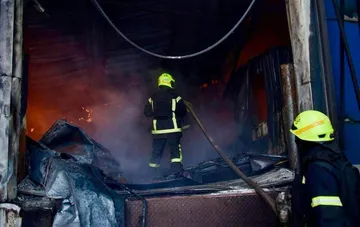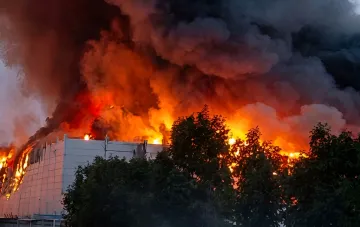
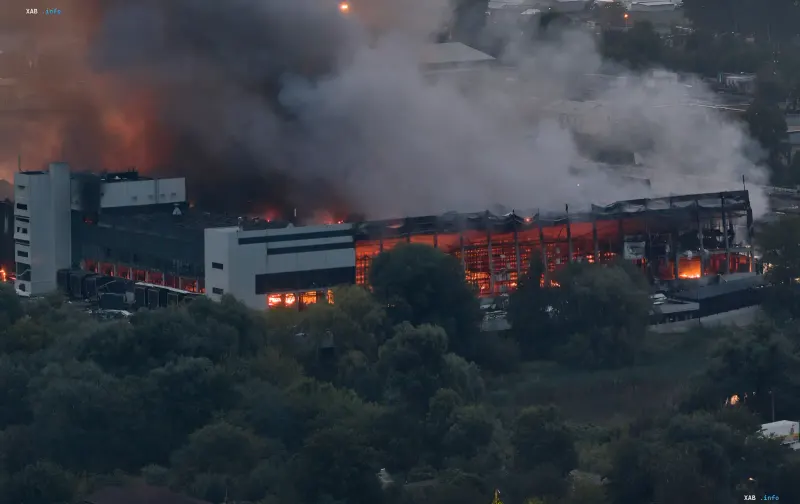
In the night of August 5, 2026, the Russian army launched a powerful missile strike on one of the key logistics centers of the Novus retail network in Kyiv. The facility, covering an area of 40,000 sq. m, suffered extensive damage and completely ceased operations. This is already the second attack on the retailer's infrastructure — previously, on November 25, 2025, another distribution hub, created by merging seven smaller warehouses, was attacked.
Instant Logistics Restructuring: How the System Works in Wartime
Despite the scale of the destruction, Novus CEO Mark Petkevych assured that a systemic shortage of goods in the network's stores is not expected. According to him, the company has learned to restructure supply chains "literally in a matter of hours." At the moment of the warehouse's destruction, millions of units of goods that were supposed to be on the shelves the next day drop out of the supply chain. However, Novus instantly activates direct supplies from manufacturers and partners, bypassing the destroyed facility.
Furthermore, the network promptly deploys backup sites and powerful logistics networks in other regions of Ukraine. Transport flows are redirected, third-party transport is engaged, and new warehouse space is urgently leased. All these measures allow for minimizing the impact of the strike on the assortment and availability of goods for consumers.
Technological Challenge: Load on IT Systems
A particular challenge is the load on the company's IT systems, which must recalculate routes for thousands of product items in real-time. Under conditions of constant attacks and the need for rapid adaptation, Novus's digital infrastructure is operating at the limit of its capabilities. Nevertheless, the system is coping with the tasks, ensuring the continuity of supplies and assortment updates in stores.
Contradictory Data
On the one hand, the company states there are no prerequisites for a systemic shortage. On the other hand, local disruptions with certain categories of goods are already being recorded in some regions of Ukraine, especially in the first days after the strike. Experts believe this is due to a temporary lack of warehouse capacity and the need to reconfigure logistics routes. However, Novus emphasizes that such situations are temporary and are quickly resolved.
Business in the Crosshairs: Consequences for the Market
Strikes on Novus's logistics infrastructure are not just a problem for one retailer but a challenge for the entire Ukrainian economy. The destruction of large distribution centers could lead to price increases for certain goods, especially in regions where alternative supply channels are limited. However, thanks to the flexibility and adaptability of the business, the network continues to function, supplying the population with necessary goods.
In the conditions of the ongoing war, the resilience of logistics systems becomes a key factor in business survival. Novus demonstrates an example of how a company can effectively respond to external threats, maintaining supply stability and consumer trust.