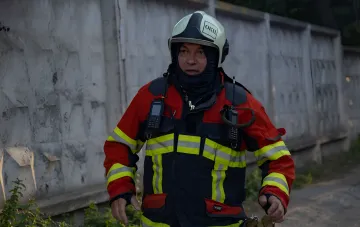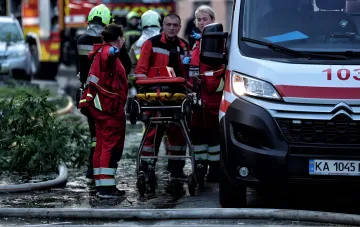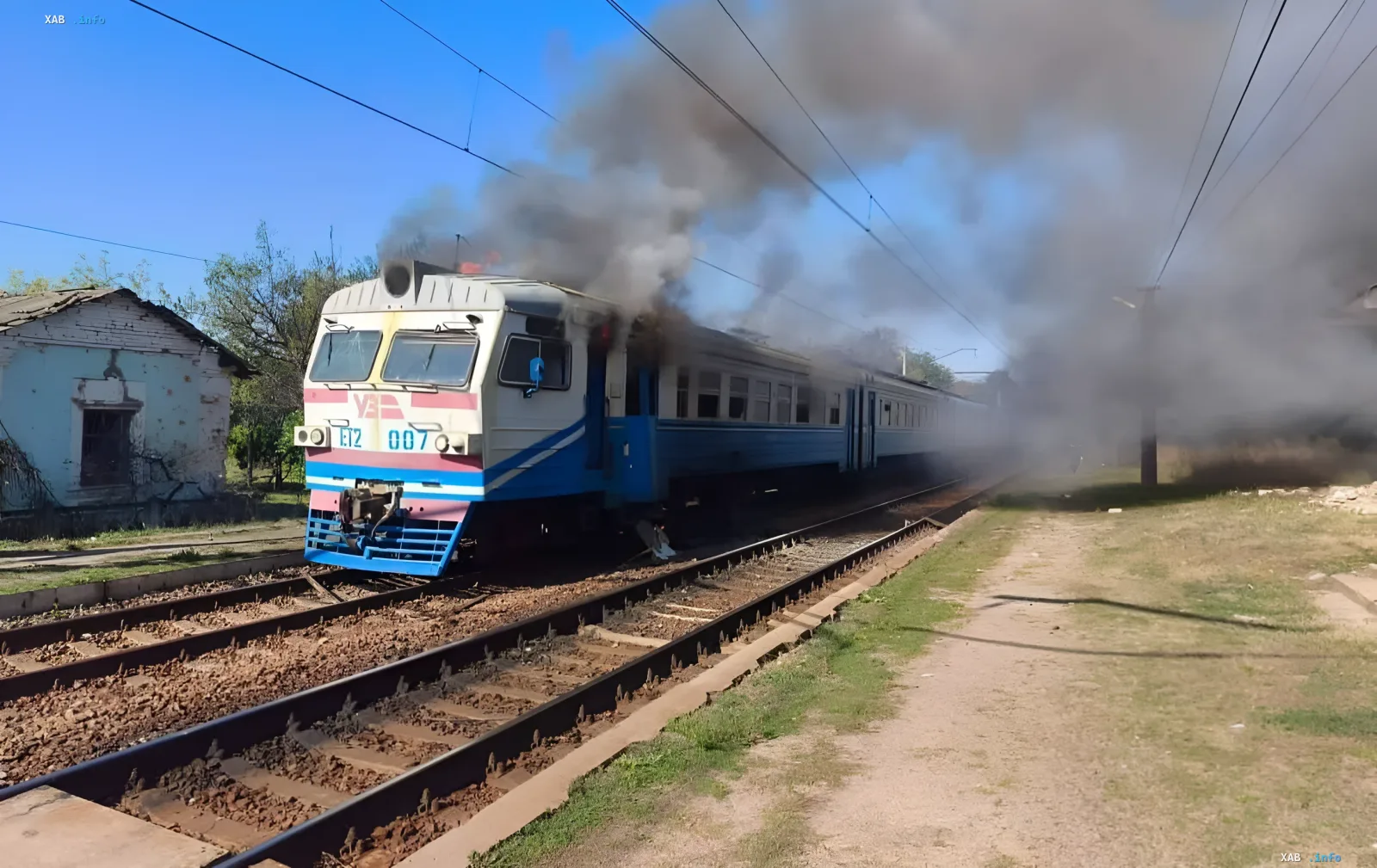
On August 18, Russian military forces struck a suburban train on the territory of Kharkiv Oblast. This was reported by RBC-Ukraine, citing an official publication by the state company Ukrzaliznytsia. According to Oleh Syniehubov, head of the Kharkiv Regional State Administration, the attack killed a 40-year-old man, and seven other passengers were injured. The incident became part of a growing series of strikes on Ukrainian railway infrastructure recorded over the past several weeks.
Course of the attack and evacuation of passengers
According to Ukrzaliznytsia, the threat to the train was first detected by the company's monitoring team. After the alert about an approaching danger, the train crew began evacuating passengers from the train. Preliminary data indicates that two passengers sustained serious injuries precisely during the evacuation — they did not manage to move to a safe distance from the train before the moment of impact. Rescue teams and medical crews were dispatched to the scene. The company emphasized that following the train crew's instructions and moving at least 200 meters away from the railway infrastructure in the absence of shelter can save a life.
Series of attacks: September incidents
The August 18 attack is not an isolated case. On the morning of September 16, Russian military forces struck train No. 122 on the Kyiv–Mykolaiv route. Thanks to a timely warning to passengers and the actions of the railway crew, people were evacuated before the impact. On September 13, a similar incident was recorded in Volyn Oblast: Russian troops attacked the locomotive of a passenger train just a few kilometers from the Ukrainian-Polish border, which, according to experts, was unusual for such attacks in geographical terms. According to 24tv, at least three strikes on Ukrzaliznytsia trains were recorded that same day from the morning.
Contradictory data
There is a discrepancy between the initial reports and the updated data on casualties. In the Ukrzaliznytsia publication cited by RBC-Ukraine, the figure "two passengers sustained serious injuries" appears as preliminary information. Meanwhile, Oleh Syniehubov, head of the Kharkiv Regional Administration, reported the death of one 40-year-old man and the injury of seven people. The difference in figures is likely explained by chronology: the company's initial summary report was compiled at an early stage, whereas the regional administration's data reflect the final assessment after the work of medics and rescuers at the scene. The exact number of killed and injured remains subject to clarification at the time of publication.
Systematic nature of the attacks: over 500 damaged locomotives
Russian military forces are systematically intensifying strikes on Ukrainian passenger trains, including with the use of drone missiles. Since the start of the full-scale war, more than 500 locomotives have been damaged or destroyed as a result of attacks, with a significant share of these losses falling in the last months of the conflict. Experts note that strikes on suburban and passenger trains are characterized as deliberate pressure on civilian infrastructure and create additional risks for the population using railway transport in frontline regions.
Recommendations for passengers
Ukrzaliznytsia once again called on passengers to strictly follow the train crew's instructions during evacuation. In case a threat is detected and there is no shelter nearby, it is necessary to move at least 200 meters away from the train and railway infrastructure objects. The company emphasizes that observing this rule during evacuation can save a life. Monitoring of the airspace over the railway tracks is carried out around the clock by the company's monitoring teams.