The situation on the front lines and in the enemy's rear has undergone significant changes over the last six months. Deep strikes by the Armed Forces of Ukraine against the Russian fleet and the energy infrastructure of the Russian Federation have led to Kyiv taking a stronger position in the context of potential peace negotiations. This was stated by European Commissioner for Defence Andrius Kubilius in an interview with the Euronews channel.
A Signal to the Kremlin
The European Commissioner highly praised the results of the actions of Ukrainian military personnel, calling them impressive. According to Kubilius, the damage inflicted and the capabilities demonstrated by the Ukrainian Armed Forces should serve as a clear signal to Vladimir Putin and his entourage. The expert is convinced that these events are irrefutable evidence that Russia is unable to make significant progress in its military objectives.
It is against this backdrop, according to the EU official, that real negotiations for a just peace should begin. The logic is that the impossibility of realizing military ambitions should push Moscow to the negotiating table.
New Volumes of Aid and Technologies
Alongside the assessment of military operations, the European Union is preparing large-scale financial support for Ukraine. In the context of the ongoing full-scale invasion, the EU plans to provide Kyiv with a loan of 90 billion euros. A significant portion of these funds — 60 billion euros — will be directed directly to defense.
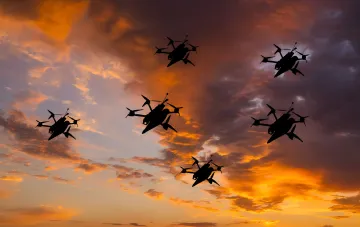
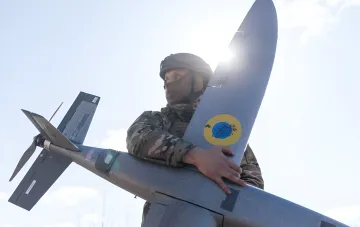
Technological cooperation is also reaching a new level. This week, the President of the European Commission, Ursula von der Leyen, visited Kyiv, where an agreement with Ukraine regarding the use of unmanned aerial vehicles was announced. This decision is designed to enhance the capabilities of the Ukrainian Armed Forces in reconnaissance and striking.
Russia's Position
Despite the intensifying strikes on strategic objects deep within the territory of the Russian Federation, Moscow's position remains hardline. As early as June, Vladimir Putin stated his refusal to negotiate on the terms put forward by Ukraine. Later, the Kremlin also rejected the idea of a ceasefire along the current front line.
According to Reuters, the Russian leadership still requires the capture of the entire Donbas, which makes a compromise extremely difficult at this stage, despite the calls from European partners.