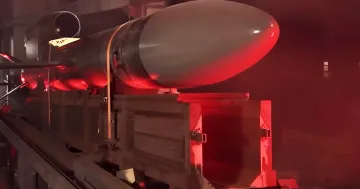
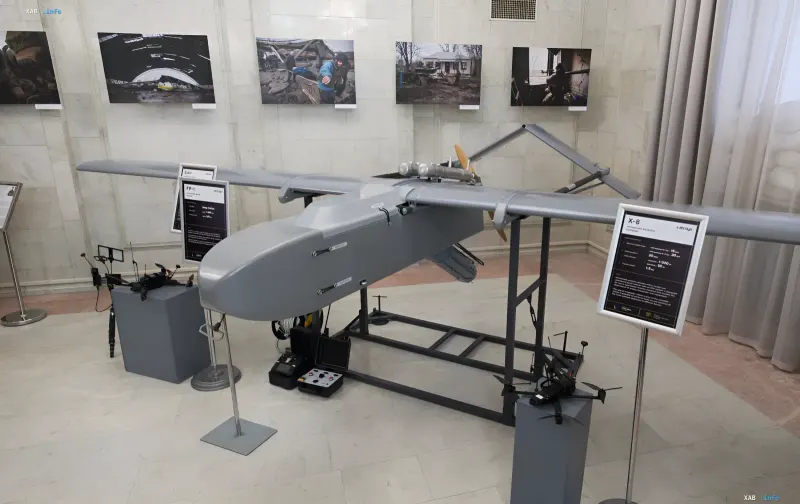
Ukraine continues to expand the geography of strikes on Russian rear objects, targeting critically important logistical and industrial infrastructure. According to data from the company Fire Point, published on Telegram, key nodes in the Samara and Saratov regions were hit by Ukrainian FP-1 drones.
Logistical Chaos in the Rear
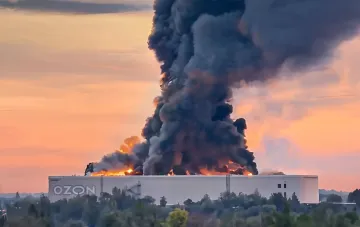
One of the main targets of the attack was the Wildberries marketplace logistics hub located in the settlement of Novosemeykino in the Samara region. This center plays a key role in the storage, sorting, and distribution of goods, ensuring the uninterrupted operation of one of the country's largest retail networks. Hitting such an object deals a direct blow to supply chains, disrupting the rhythm of the entire logistics system.
Parallel to the attack on warehouse capacity, a strike was launched on the Saratov Oil Refinery. This enterprise is one of the key players in the industry, with an annual processing capacity of about 7 million tons of oil. The plant produces a wide range of petroleum products, including gasoline, diesel fuel, and aviation fuel, which are vital for supplying the region with energy resources.
Economic Consequences and Price Hikes
Systemic damage to infrastructure is already yielding tangible economic results. According to The Moscow Times, attacks on Wildberries warehouses have led to a noticeable increase in prices for certain goods in Russia — ranging from 10% to 30%. Additionally, delivery times for products have increased several-fold, creating inconvenience for both buyers and sellers.
Sellers on the marketplace report a shortage of goods and insufficient compensation for lost products. In response to the threat of drone attacks, Wildberries has begun searching for new logistical capacity, considering the possibility of relocating part of its infrastructure to Kazakhstan to move it out of the reach of strikes.
Strategy of Economic Pressure
Experts from Fire Point note that such actions are aimed at increasing economic pressure on Russia. Disrupting logistics chains and damaging oil refining capacity forces the adversary to spend significant resources on restoring facilities and organizing their defense, diverting forces from other fronts.