In the conditions of modern warfare, the quality of equipment directly affects the survivability of personnel. Ukraine operates some of the strictest acceptance and delivery testing standards for body armor in the world, as confirmed by industry experts. However, even with strict control, cases of substandard products being identified at testing ranges are not uncommon.
Testing Procedure: From Batch to Live Fire
Representatives of the company Rarog Tactical Gear revealed details of the quality control procedure in an interview with RBC-Ukraine. According to the contract, every batch of body armor undergoes mandatory acceptance. A key stage is the random selection of samples from the batch for real testing at a range.
«During this process, body armor is randomly selected from the batch and tested. Accordingly, the body armor may either pass or fail this test», — the experts explained.
Testing includes not only checking the main protective plate but also testing the attached equipment. In practice, this means the body armor is subjected to direct fire. If the plate is penetrated or the polyethylene bag is damaged during the test, the batch is considered to have failed control.
Ukrainian Standard vs. Global Norms
Particular attention in Ukraine is paid to the parameter of backface deformation — the depth of the armor indentation into the human body upon bullet impact. It is precisely this parameter that often becomes the critical factor determining whether a soldier survives or sustains severe fractures.
For a comparison of standards:
- USA: The acceptable level of backface deformation is 45 mm (4.5 cm). With such an impact, as experts note, all ribs are effectively broken.
- Ukraine: The maximum acceptable level of backface deformation is 25 mm.
Experts emphasize that the Ukrainian standard of 25 mm is unique and stricter than similar norms in other countries, ensuring better preservation of the health of military personnel upon projectile impact.
New Procurements: Enhanced Protection for Women
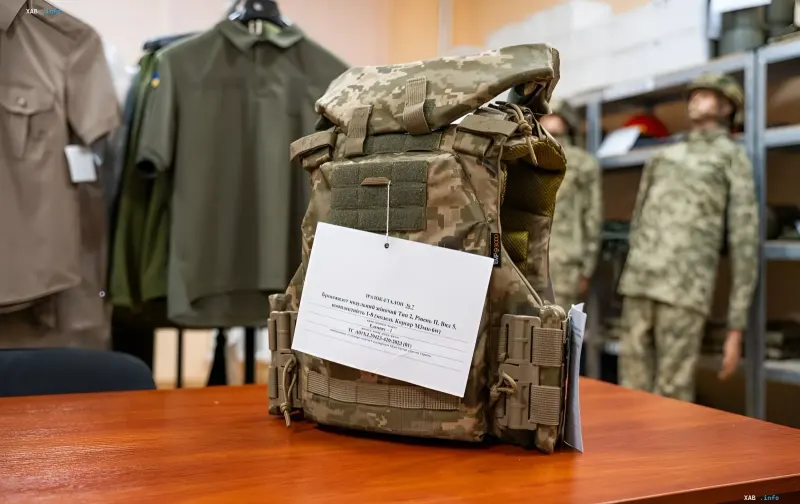
In the context of improving equipment quality, the Defense Procurement Agency (DPA) of Ukraine purchased 2,000 female modular body armor vests. The Ministry of Defense of Ukraine previously reported on the cost and sizing features of these items.
Key characteristics of the new batch:
- Protection Level P: The body armor has an enhanced protection level exceeding basic requirements.
- Ballistics: The plates withstand direct hits from B-32 armor-piercing bullets and LPS rifle bullets from the SVD sniper rifle (7.62 mm).
- Materials: Instead of heavy metal, modern ceramic-composite armor is used in the construction, reducing the load on the soldier's back.
- Additional Protection: Soft ballistic bags protect against shrapnel and pistol bullets.
For comparison, the standard basic protection level (Level B) is designed only for AK-74 type automatic rifle bullets and older LPS rifle bullets (pre-1989), making the new procurements a significant step forward in equipping units.