The Ukrainian side has received alarming data regarding the production rates and tactics of ballistic missile deployment by the Russian Armed Forces. Presidential adviser on defense technology issues, Serhiy «Flash» Beskrestnov, in an interview with RBC-Ukraine, cited figures indicating that Russia is not only maintaining but also expanding its missile potential.
The missile conveyor: from hundreds in reserve to a hundred strikes a month
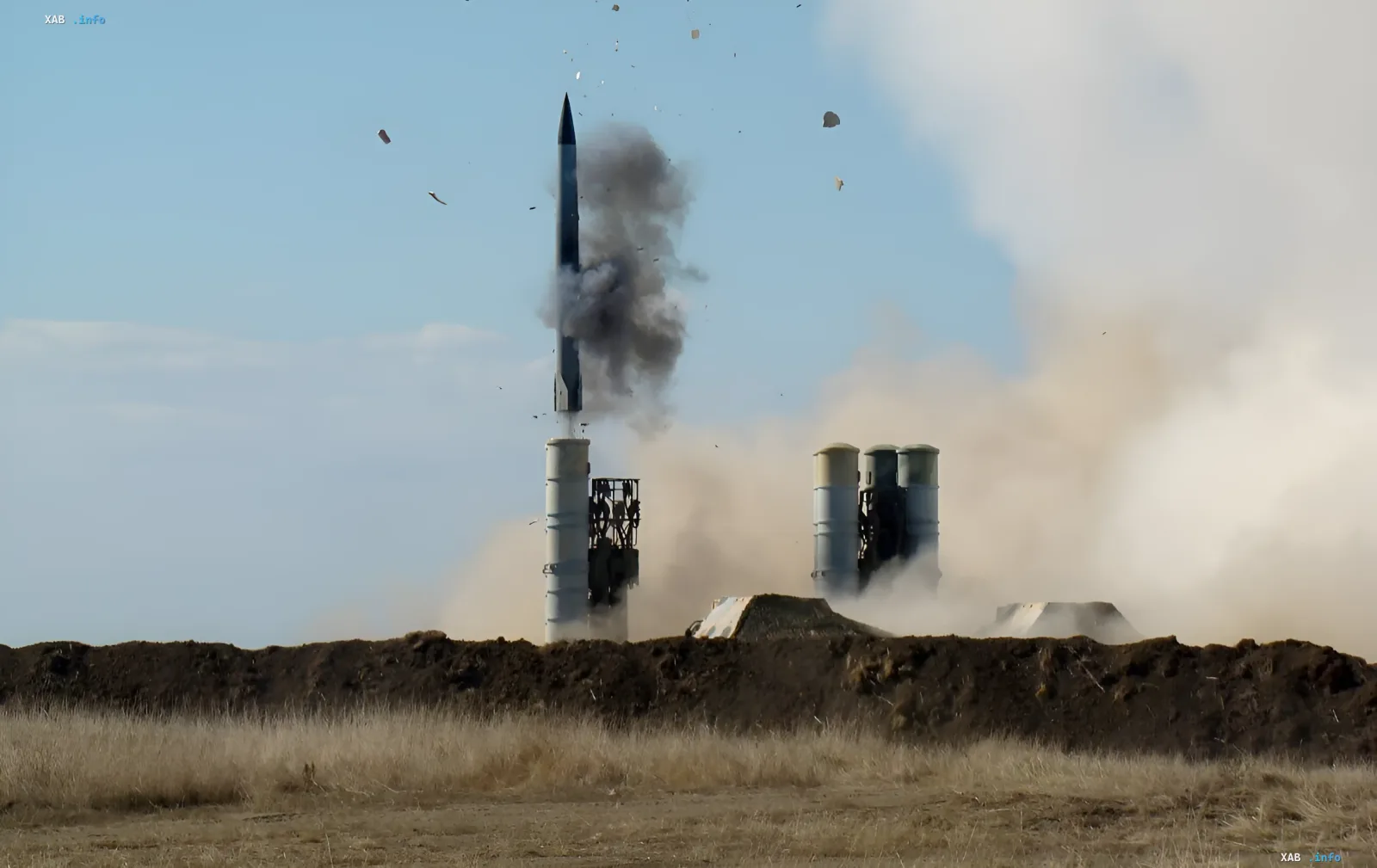
According to the expert, Moscow possesses a reserve of several hundred ballistic missiles, which is regularly replenished by its own industry. Beskrestnov provided specific production figures: Russian factories produce between 60 and 70 Iskander complex missiles monthly. If this is added to the production of ballistic missiles for S-400 air defense systems and hypersonic Zircon missiles, the total number of new munitions reaches 100–150 units per month.
«The Russians can use up to 100 ballistic missiles against us every month», — emphasized the adviser to the head of state. This means that the threat of mass strikes remains constant and does not depend on the current tactical situation on the front.
The Iskander problem: why they are so difficult to destroy
One of the main headaches for the Ukrainian military remains the task of neutralizing Iskander launchers (LP). Beskrestnov explained that Russian operators have developed a complex tactic that makes these targets practically invulnerable during the preparation for launch.
Before firing, the launcher remains in constant motion for about five hours. The route is planned in such a way as to minimize the risk of detection by satellites. «It is very difficult to catch an „Iskander“ on the march or near the position where it is being deployed», — the expert stated.
Underground factories and resistance to sanctions
No less difficult is the task of striking the places of missile production. According to Beskrestnov, the relevant production capacities are located deep underground, making them inaccessible to conventional air strikes.
Furthermore, sanctions pressure has practically no effect on the production of Iskanders. The expert claims that this complex is produced mainly from Russian components and electronics, so the dependence on Western technologies in this niche is minimal.
Targets of strikes and the need for protection
Ukraine regularly warns about the continuing threat of ballistic missile use. Air defense systems are used to intercept them, however, protection against this type of weapon requires the availability of a sufficient number of modern anti-aircraft complexes and interceptor missiles.
According to Serhiy Beskrestnov's assessment, Russia will continue to strike business objects, warehouses, and production enterprises. Such tactics remain one of the key components of Russian pressure on the Ukrainian economy and infrastructure.