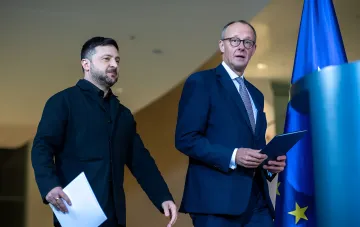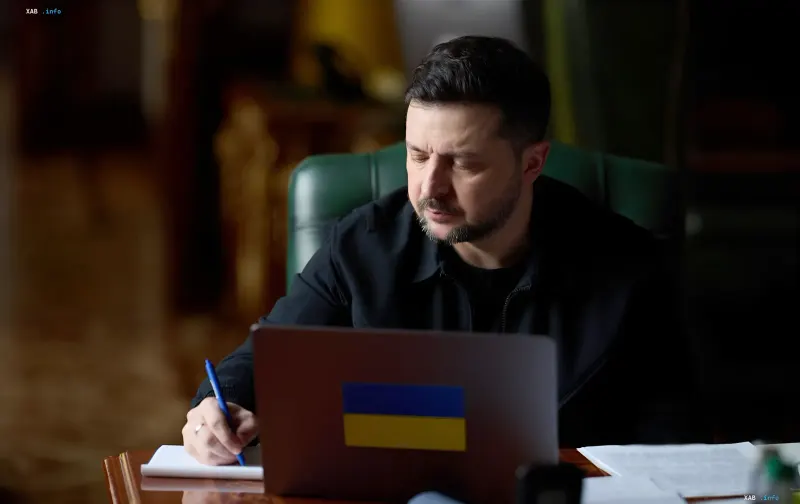
Ukraine has delivered another targeted blow to the infrastructure of Russia's military production. On August 3, President Volodymyr Zelenskyy signed a decree implementing the decision of the National Security and Defense Council (NSDC) to tighten the sanctions regime. The restrictions now cover 23 enterprises of the Russian military-industrial complex and 20 individuals linked to their activities.
Goal — paralyzing weapons production
The primary objective of the new sanctions is to block the operations of entities that continue to supply Russian security forces and the military-industrial complex with equipment, components, and technologies, circumventing international restrictions. The list includes organizations engaged in the production and repair of critically important military hardware.
Among the key targets are factories specializing in the repair of aviation and anti-tank guided missiles. Also featured on the list is the famous Morozov Plant, part of the state corporation 'Rostec'. This enterprise is historically known for producing armored vehicles and tanks, making its blockade strategically significant for Kyiv.
Sanctions against the IT sector
For the first time on such a scale, Russian IT companies have fallen under restrictions. The list includes enterprises developing digital solutions and software in the field of information security for government and private clients. Experts note that this is aimed at depriving the Russian army of modern tools for management and data protection.
President of Ukraine's advisor on sanctions policy, Vladyslav Vlasuk, clearly outlined the logic behind these actions: 'Every enterprise that loses access to components, technologies, or financing will produce fewer ballistic missiles, drones, and other weapons for the war'.
Strategy until winter 2026
The new package of sanctions fits into Kyiv's broader plan to end the conflict. Previously, Volodymyr Zelenskyy stated that Ukraine is doing everything possible to ensure the war against Russia ends before the start of the winter of 2026. Restrictive measures are designed to exhaust the enemy's resource potential and slow down the pace of its mobilization.
In addition to internal efforts, Kyiv is counting on support from Western partners. Vladyslav Vlasuk reported that in early autumn, the US Congress may pass a bill on so-called 'hellish sanctions' against Russia. If the document is adopted, it will become another powerful factor of pressure on the Russian economy and war machine.