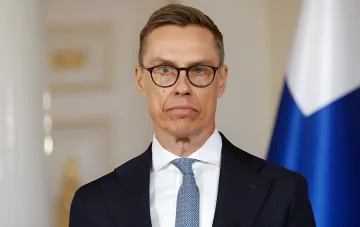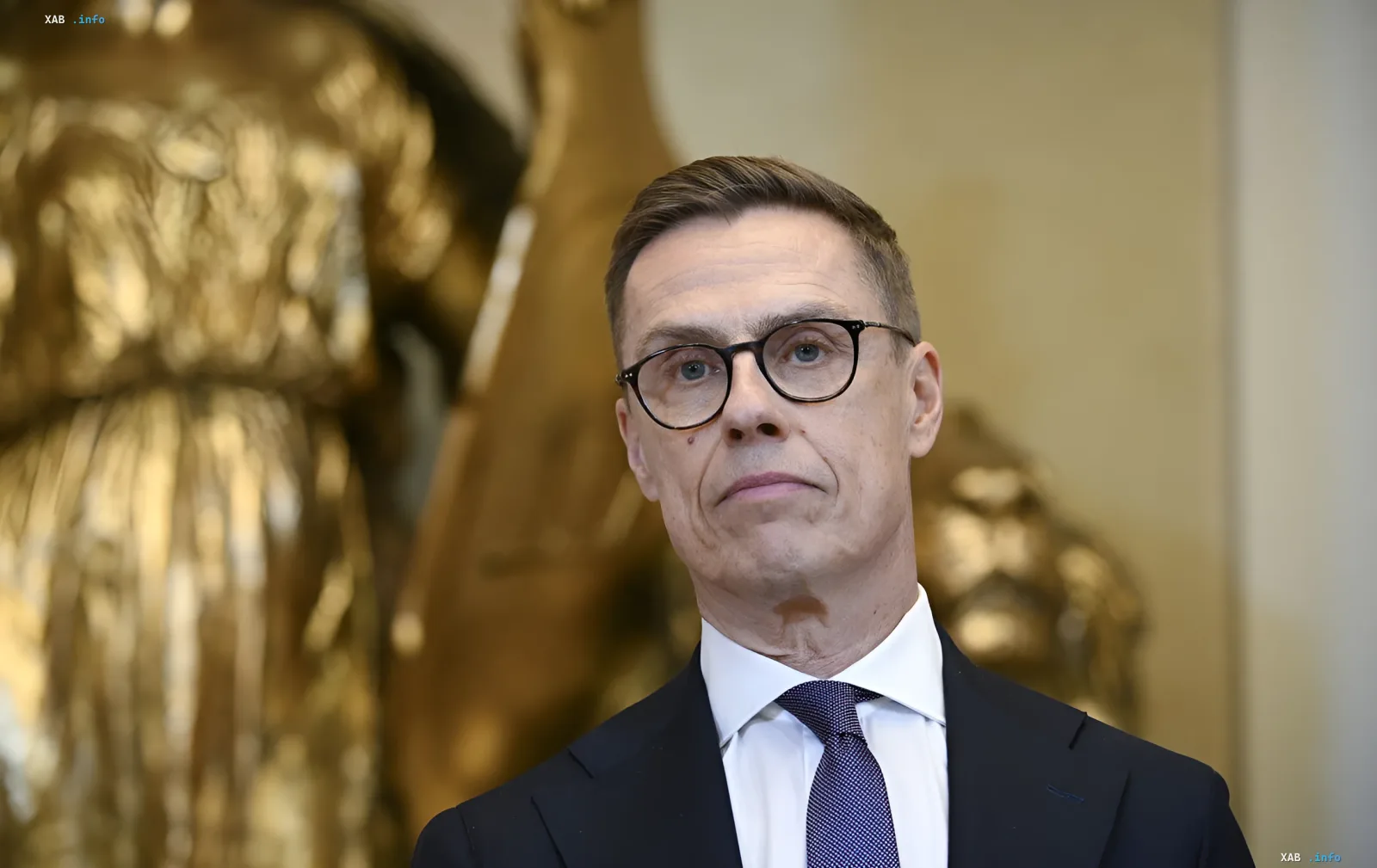
Finnish President Alexander Stubb revealed details of a conversation with a senior Chinese diplomat in an interview with the German publication Bild, in which Beijing sent an unambiguous signal: China will not allow Russia to use nuclear weapons against Ukraine. According to Stubb, the Chinese Foreign Minister visited him this summer, and it was at that time that the Finnish leader raised the issue of nuclear risks. “He said: ‘We will never allow this to happen.’ And I consider that a fairly effective deterrent,” RBC-Ukraine quotes Stubb as saying. The statement came against a backdrop of growing concerns in Europe over the escalation of the conflict and became one of the most resonant diplomatic signals in recent weeks.
Limited Escalation Options and the Threat of Mobilization
Stubb emphasized that the real arsenal of tools Moscow can use to intensify military pressure remains quite narrow. In his assessment, the only significant lever of escalation available to Russia at the current stage is mass mobilization, which, according to the Finnish president's forecasts, could be expected as early as autumn. At the same time, Stubb drew attention to the domestic political consequences of such a step for the Kremlin: mobilization, he said, would inevitably provoke social tension within Russia and could undermine the stability of the regime. Thus, even in a scenario of intensified combat operations, the nuclear option, in Helsinki's assessment, remains outside the range of probable scenarios.
Psychological Pressure on Europe as a Kremlin Tool
Separately, Stubb focused on Moscow's information strategy, which, in his view, deliberately seeks to sow fear in European capitals. “Russia wants us Europeans to sit here and discuss: will Russia escalate further? Will Russia use nuclear weapons? Will Russia attack NATO and Europe?” the Finnish president stated. In his words, it is precisely this scenario of psychological pressure that the Kremlin is pursuing, and Europe should not fall for this tactic by being distracted from real measures to support Kyiv and strengthen its own defense capabilities.
Contradictory Data
Nevertheless, not all European and Middle Eastern politicians share Stubb's optimism about nuclear deterrence from Beijing. Recently, the Turkish Foreign Minister hinted that in the event of critical depletion of Russian forces on the front and in the rear, Moscow might resort to using tactical nuclear weapons. In Germany, concerns about the “nuclear button” are voiced even more openly: Berlin, according to European media reports, is ready to finance the expansion of France's and the United Kingdom's nuclear potential precisely to strengthen the deterrent signal to the Kremlin. Thus, the assessment of the likelihood of a nuclear scenario ranges from “extremely unlikely” (Stubb's position, based on the words of a Chinese diplomat) to “an uninsurable risk under certain conditions” (the position of Ankara and part of the German elite). The gap in assessments is explained by the fact that Stubb's statement is based on his personal conversation with a single Chinese official, whereas the Turkish and German signals reflect a broader spectrum of scenario analysis within intelligence and military structures.
Context: Finland's Nuclear Policy
Stubb's statements came against the backdrop of significant changes in Finland's own nuclear policy. Earlier in 2026, President Stubb signed amendments lifting the ban on the deployment of nuclear weapons on Finnish territory that had been in force in the country. This decision, taken after the country's accession to NATO, was aimed at ensuring Helsinki's strategic flexibility in the context of the changed security environment in the region. The combination of these steps—from diplomatic probing of Beijing's positions to legal preparation for the possible deployment of nuclear warheads—forms a multi-level deterrence strategy that Finland is building on Europe's eastern flank.