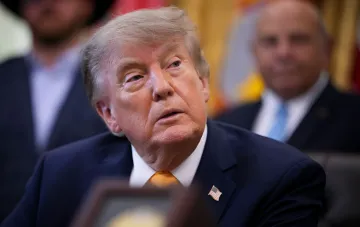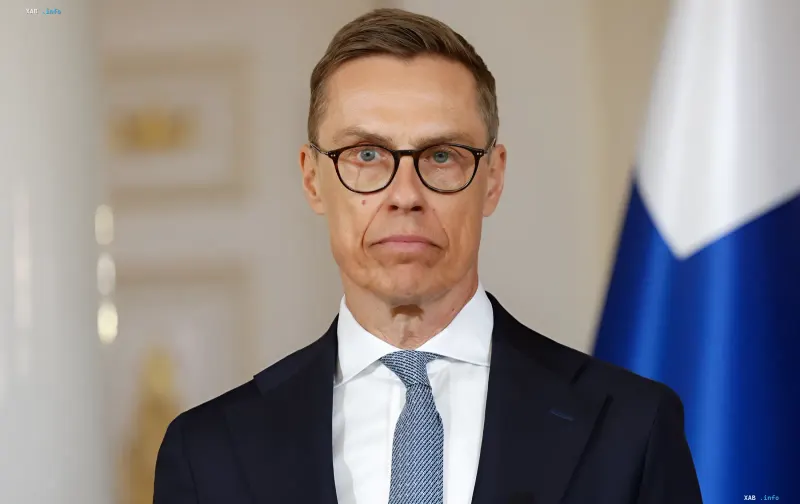
Finnish President Alexander Stubb and Norwegian Prime Minister Jonas Gahr Støre spent several months discussing the idea of a direct phone call with Russian President Vladimir Putin behind closed doors. This was reported by Politico, with details of the preparation confirmed by Ukrainian and Russian media. According to sources, the leaders of the two Nordic nations, who are long-time friends, concluded they could not allow Donald Trump, his special envoy Steve Witkoff, and the American president's son-in-law, Jared Kushner, to remain the only Western figures communicating directly with the Kremlin. The phone call, sources specify, took place on October 27.
Why Europe Stopped Relying on Washington
The key reason for the independent initiative was, according to many European officials, growing distrust of the US position on the Ukrainian settlement. In late 2025 and early 2026, Trump made another attempt to end the war, but in early March, this momentum was interrupted due to a conflict between the US and Iran. In October, the American president returned to the topic of Ukraine, criticizing Volodymyr Zelenskyy for attacks on Russian oil refineries while claiming that the Russian side had been "behaving normally." Fearing the collapse of negotiations, Stubb and Støre intervened: Oslo hosted Zelenskyy and Witkoff to improve relations. Stubb, who attended the meeting, stated that it "put the peace process back on track."
Witkoff's Visit to St. Petersburg as a Trigger
However, just 24 hours later, Witkoff again stunned European leaders by meeting with Putin in St. Petersburg and calling him a "humanist." After this episode and consultations with Zelenskyy, the Finnish and Norwegian leaders were finally convinced of the need for their own channel of communication with Moscow. As one EU government representative noted, Europe should ask itself whether it believes that "someone else should maintain contacts and conduct discussions on our behalf." Another high-ranking European official emphasized: "We need pro-Ukrainian leaders who will convey their messages to Putin."
Conversation Format: Read Messages Without Interruptions
Five years after the start of Russia's diplomatic isolation, the Nordic team contacted Putin's representatives and agreed on the parameters of the conversation. A strict rule was approved: each side takes turns reading pre-prepared messages without interruptions or comments from the other. According to officials, one of the goals of the call was to assess the Russian president's state. The Norwegian leader described Putin as "rational" and "professional" during the talks. Støre also stated: "Living from month to month, believing that the war will end because Europe will not negotiate with Moscow — that, in my view, is an illusion."
What the Kremlin Said and What Oslo and Helsinki Expect
According to Politico, Putin took the idea of negotiations in Abu Dhabi seriously and reportedly told the Nordic representatives that he would instruct his negotiators to prepare for the meeting to see if progress was possible. Nevertheless, according to sources, Støre remains unconvinced that the Russian leader is truly open to a deal. Neither the Finnish nor the Norwegian teams expect a major breakthrough at the Abu Dhabi negotiations scheduled for November 10 and 11.
Reaction in Europe: Allies' Dissatisfaction
The independent diplomatic initiative of Helsinki and Oslo caused dissatisfaction among some European partners. In particular, Danish Prime Minister Mette Frederiksen criticized her colleagues' actions, believing that such contacts with the Kremlin should be more carefully coordinated with EU and NATO allies. This episode clearly demonstrates the internal rift in Europe between proponents of direct diplomacy with Russia and those who insist on a unified, coordinated position by the bloc.