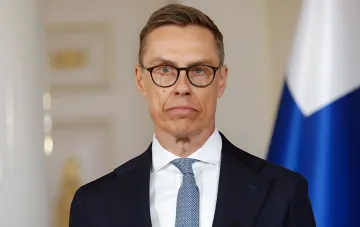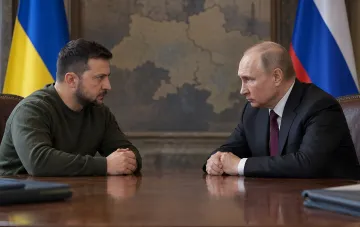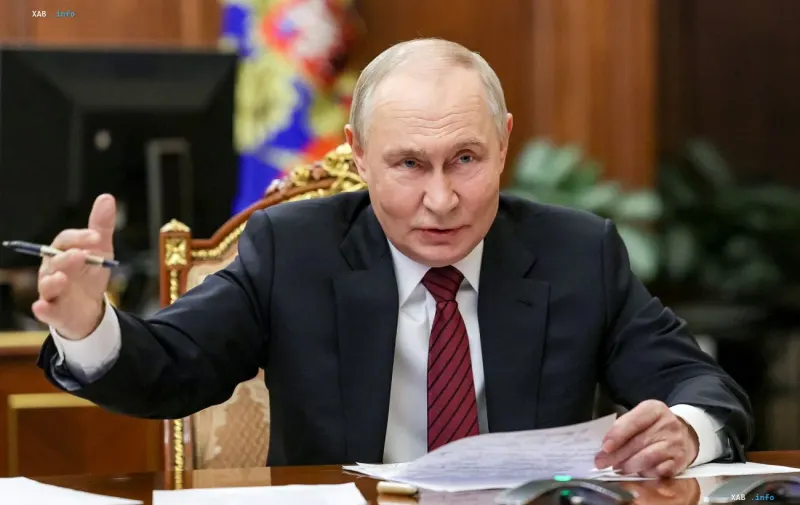
On October 27, 2026, phone talks took place between Finnish President Alexander Stubb, Norwegian Prime Minister Jonas Gahr Støre, and Vladimir Putin. These contacts, which had been in preparation for several months, were an attempt to defuse unprecedented tensions in the Baltic Sea. The initiative, coordinated with the Ukrainian side, was aimed at preventing a direct military clash between Russia and NATO countries against the backdrop of frequent incidents and threats of a naval blockade.
Crisis in the Baltic Waters
The Baltic Sea has become one of the most dangerous zones of confrontation between Moscow and the West in recent years. More than 60% of Russian seaborne oil, necessary for the functioning of the Russian military economy, passes through this region. Amidst sanctions and the seizure of "shadow fleet" tankers, the Kremlin fears a total naval blockade by NATO. Russia's retaliatory measures included aggressive escorting of vessels by warships capable of carrying nuclear warheads: the German Coast Guard recorded 260 such episodes over the past year.
The situation repeatedly balanced on the brink of direct conflict. Incidents include the dangerous close approach of the Russian corvette "Soobrazitelny" to German vessels in June, the use of signal flares against a Danish helicopter in September, and the blocking of access to a distressed tanker near the island of Bornholm in October. In September, the situation escalated after NATO received a written warning from Moscow about its readiness to use preemptive nuclear strikes to protect its interests in the region.
Communication Channels and Diplomatic Maneuvers
As official diplomatic channels proved ineffective, the Scandinavian leaders resorted to unconventional methods. They utilized a Russian oligarch visiting Norway for consultations to pass a personal message to Putin. The result was the October 27 call, during which Stubb and Støre sought to reassure the Kremlin regarding NATO's plans. The President of Finland emphasized that the alliance has no intention of blocking the Baltic in peacetime and will act strictly within the framework of the law.
Ukrainian Foreign Minister Andrii Sybiha officially confirmed that the talks had been previously coordinated with Kyiv. During the conversations, the leaders of Finland and Norway relayed proposals from Volodymyr Zelensky regarding a ceasefire and possible meetings. Sybiha characterized this as support for Ukraine's diplomatic efforts aimed at a fair end to the war. Russia, in turn, expressed concern over attacks on its vessels, demanding that the Baltic states exert influence on Kyiv to prevent similar incidents in the future.
Significance for Regional Security
Despite the de-escalation agreements reached, the situation in the Baltic Sea remains fragile. The Scandinavian countries continue to strengthen security measures: Finland is conducting large-scale exercises to protect underwater infrastructure, and Swedish special forces are carrying out operations on ships with Russian crews. The successful communication on October 27 reduced the risk of an accidental collision, but long-term stability will depend on the parties' adherence to the agreements and progress in the peace process between Russia and Ukraine.