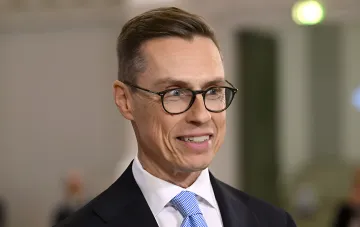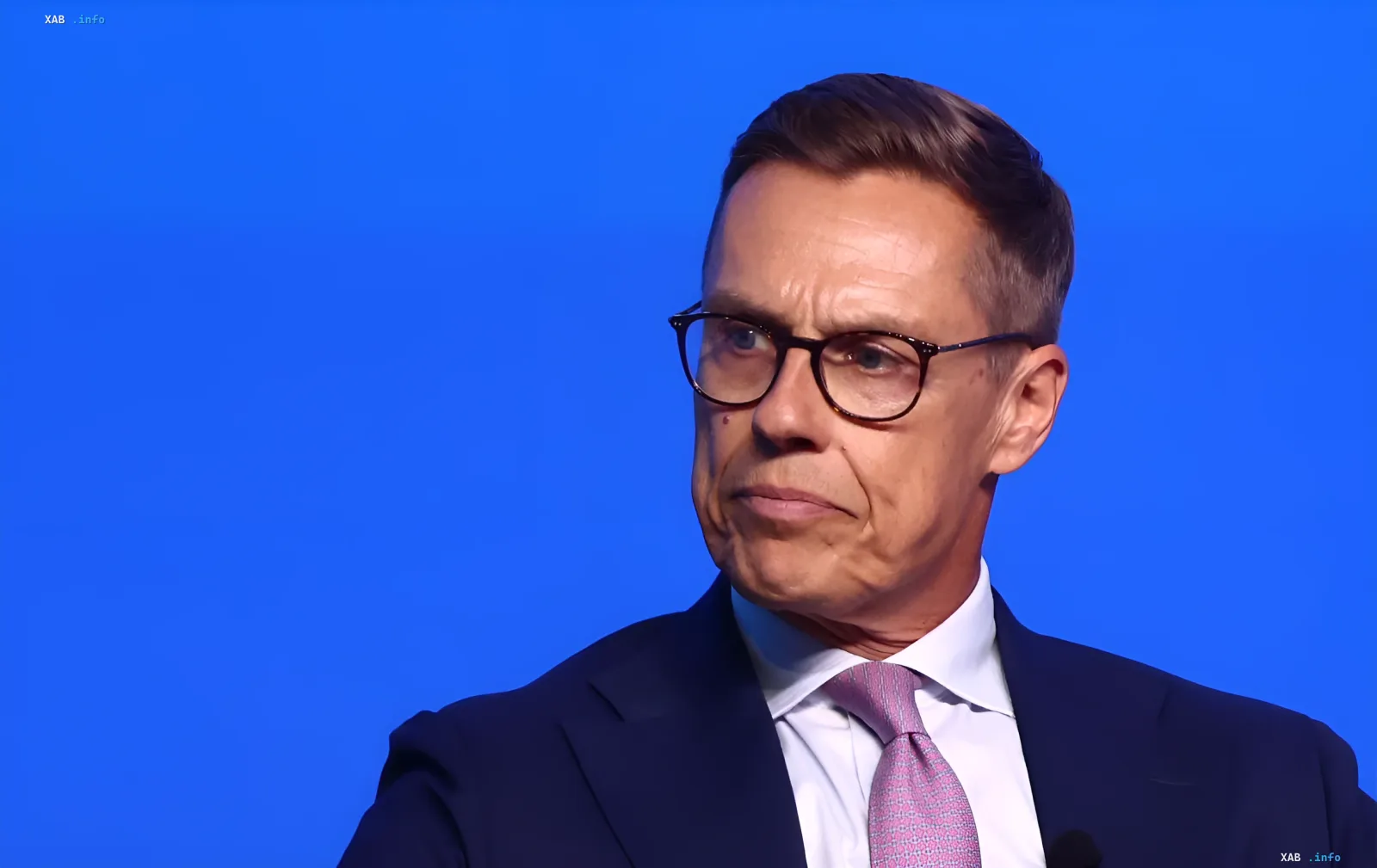
Finnish President Alexander Stubb stated that sustained pressure on Moscow is possible above all through demonstrating the vulnerability of its rear logistics and everyday life, rather than through front-line events alone. In his words, shifting combat operations deep into Russian territory and disrupting supply chains undermine the myth of rear-area security and accelerate the Russian side's readiness for genuine diplomatic negotiations. As a vivid example, Stubb cited incidents at major logistics hubs, including large-scale marketplace warehouses, noting that such events strike at society's habit of "normal" life under wartime conditions.
Context of the Statement
The remarks were made in the course of discussing Europe's strategy of compelling Russia toward peace and the impact of shifting combat operations on public opinion within Russia. Stubb emphasized that Ukraine's position today is one of the strongest since the start of the full-scale invasion, and that maintaining the momentum gained is critically dependent on continued military and financial support from partners. The Finnish president also categorically rejected the claim that Vladimir Putin has strengthened his position thanks to the war, and had previously noted that the conflict could last for several more months, while, in his assessment, Russia does not intend to attack NATO directly.
Strategy of Pressure on Rear Logistics
According to Stubb, Ukraine needs to increase its ability to strike deep into Russian territory — "using drones or missiles," since this raises the cost of waging war for Moscow. He argued for the expediency of such a military strategy from Kyiv's perspective, stating that, in his belief, this is the only way to ensure Russia's participation in peace talks at the negotiating table. In this logic, strikes on warehouses and retail infrastructure are viewed not as an end in themselves, but as a tool that makes the war felt by broad segments of the population and undermines the narrative of rear-area stability.
Sociological Assessments per Stubb
Commenting on the impact of logistical collapse on sentiment in Russia, Stubb offered his own expert-diplomatic assessments: in his words, around 65% of Russians already express a desire to end the war, and the strike on the Wildberries marketplace warehouse, he claimed, increased this figure by a further roughly 10 percentage points. It is important to stress that these figures are presented by the speaker as a reference to closed and open sociological trends and as his personal assessment, rather than as the result of an independent statistical report, and therefore they require cautious interpretation and cannot be treated as verified statistical data.
Contradictory Data
The available sources contain discrepancies that should be taken into account. First, some initial reports placed these comments at a press conference following the "Coalition of the Willing" in Kyiv, whereas the clarified context points to the annual meeting of Finnish ambassadors in Helsinki; both versions circulate in the media space, and the exact location and date of the speech require additional verification. Second, Stubb's position that strikes on logistics are the "only way" to force Russia to the table contrasts with statements from the Russian side: in particular, it was reported that Sergey Lavrov expressed Moscow's readiness to resume peace negotiations. Thus, one side insists on the need for external compulsion, while the other declares readiness for dialogue, and these two versions do not align in their assessment of the current dynamics.
Significance for European Diplomacy
Taken together, Stubb's statements reflect a line in which military pressure, the economic vulnerability of the rear, and public diplomacy are linked into a single strategy: the higher the cost of war for Russian society, the greater, in the speaker's assessment, the likelihood of a transition to negotiations. For European capitals, this is an argument in favor of continuing and expanding support for Ukraine, and for analysts it is a reminder that key sociological figures in such speeches are part of a leader's rhetorical argumentation, not independent data, and must be attributed as such.