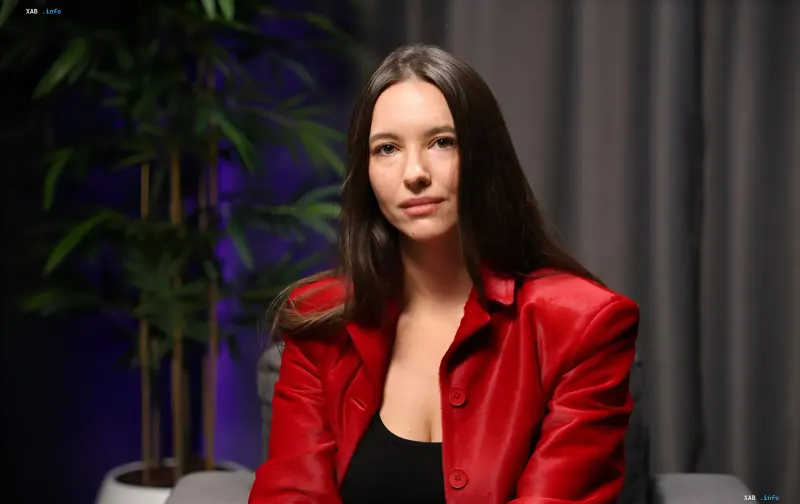
Personal stylist Olga Halushka has been building wardrobes for women in Ukraine and abroad for over a decade: from female entrepreneurs and executives to clients from creative fields. Over the course of her practice, she has worked with women in more than 28 countries around the world, predominantly with expat women living abroad. In a fresh interview for Wave RBC.UA, Halushka explained why, in the era of rapid digitalization, more and more women are delegating the task of organizing their closets to professionals, what actually goes into the pricing of local brands during wartime, and why the classic notion of a “basic wardrobe” has become thoroughly outdated.
Why the “Nothing to Wear” Feeling Arises
According to the stylist, the most common request from her clients in Ukraine and abroad is a lack of wardrobe systematization. Women with large closets, high expectations, and packed schedules — from dropping a child off at school in the morning to work meetings, conferences, business trips, and evening events — simply don’t have time to choose their outfits every day. “In the era of frantic digitalization, we want to delegate certain parts of our lives, and the wardrobe is no exception,” Halushka explains. That is exactly why demand is growing for a professional hand that will build a personal capsule and relieve the cognitive load of everyday choices. The stylist incorporates digital closet analysis into her work and helps clients shape their style without blindly following short-lived trends.
The Culture of Appearance: Ukrainians vs. Europeans
Halushka notes that the culture of outward display is more developed in Ukraine, whereas European clients show more “relaxedness” and less snobbery. At the same time, the stylist emphasizes that she is not a fan of generalizations or rigid standards: “Everything is very individual.” The everyday life scenarios of her Ukrainian clients are often more intense: a single day can include the kindergarten, work meetings, and an event, followed the next day by a conference or a business trip. “Some echo of the 90s still lingers,” she adds, explaining the heightened attention to appearance.
What We Are Actually Overpaying For and How to Read a Price
Addressing the question of saving money, Halushka gives the example of basic white T-shirts: in her practice there are items for 500–1,000 hryvnia and items from the luxury segment. “It’s not that a luxury item will be more expensive. It’s about how well the item is sewn, what fabric it’s made of, and where it comes from: Vietnam or, say, Ukraine, made by our local seamstresses,” the stylist explains. It is precisely the origin of the fabric, the quality of the tailoring, and local production that shape the final price of Ukrainian brands during wartime. The usage rate of an item also matters: a high-quality coat that carries over from season to season pays for itself faster than a pair of shoes “for one special occasion,” even though both bring pleasure.
“Basic Wardrobe” — an Outdated Concept
Halushka states outright that the story of the classic “basic wardrobe” has transformed into entirely different approaches. You should buy items that unambiguously bring you pleasure, that you will wear often, and that genuinely carry over from season to season. In her clients’ wardrobes there are items that get worn less often but bring “incredible pleasure and an interesting emotion” — and that is a normal part of the balance. The stylist does not recommend following other people’s templates: building your own wardrobe is based on your individual life scenarios, not on copying trends from social media.
Contradictory Data
No significant discrepancies in facts or figures were found in the provided sources. The only nuance: in the interview, the stylist states that she has worked with clients in “more than 28 countries,” without clarifying whether this refers to the countries where her clients reside or the countries where she personally conducted consultations. In the context of the article, this does not affect the key points; however, when citing the exact figure, it is recommended to rely on the direct quote: “more than 28 countries.”