In the context of the global transformation of the automotive industry, where electric vehicles (EVs) are becoming the de facto standard, the Japanese automotive giant Subaru has faced serious economic challenges. As of August 2026, the company's quarterly report demonstrates a worrying trend: operating profit has shrunk by 44%, dropping to $270 million. The main reason for this decline lies in the aggressive but costly strategy of promoting its electric vehicle lineup.
The Cost of the Question: $10,000 for Every Electric Vehicle Sold
An analysis of financial data shows that Subaru is forced to invest colossal funds into marketing and stimulating demand for its electric cars. In the last quarter, the company spent $155 million solely on promoting electric vehicles, including providing significant discounts to dealers and buyers. Per unit of production, marketing expenses for the brand's three electric vehicle models reach $9,000–$10,000 per car. This is many times higher than the brand's average, where marketing expenses amount to $2,698 per car (a 40% increase compared to the previous period). For comparison, the average marketing budget for competitors in the market is about $3,479, yet Subaru spends three times more on electric vehicles than on its traditional gasoline models.
Strategic Alliance and Unification with Toyota
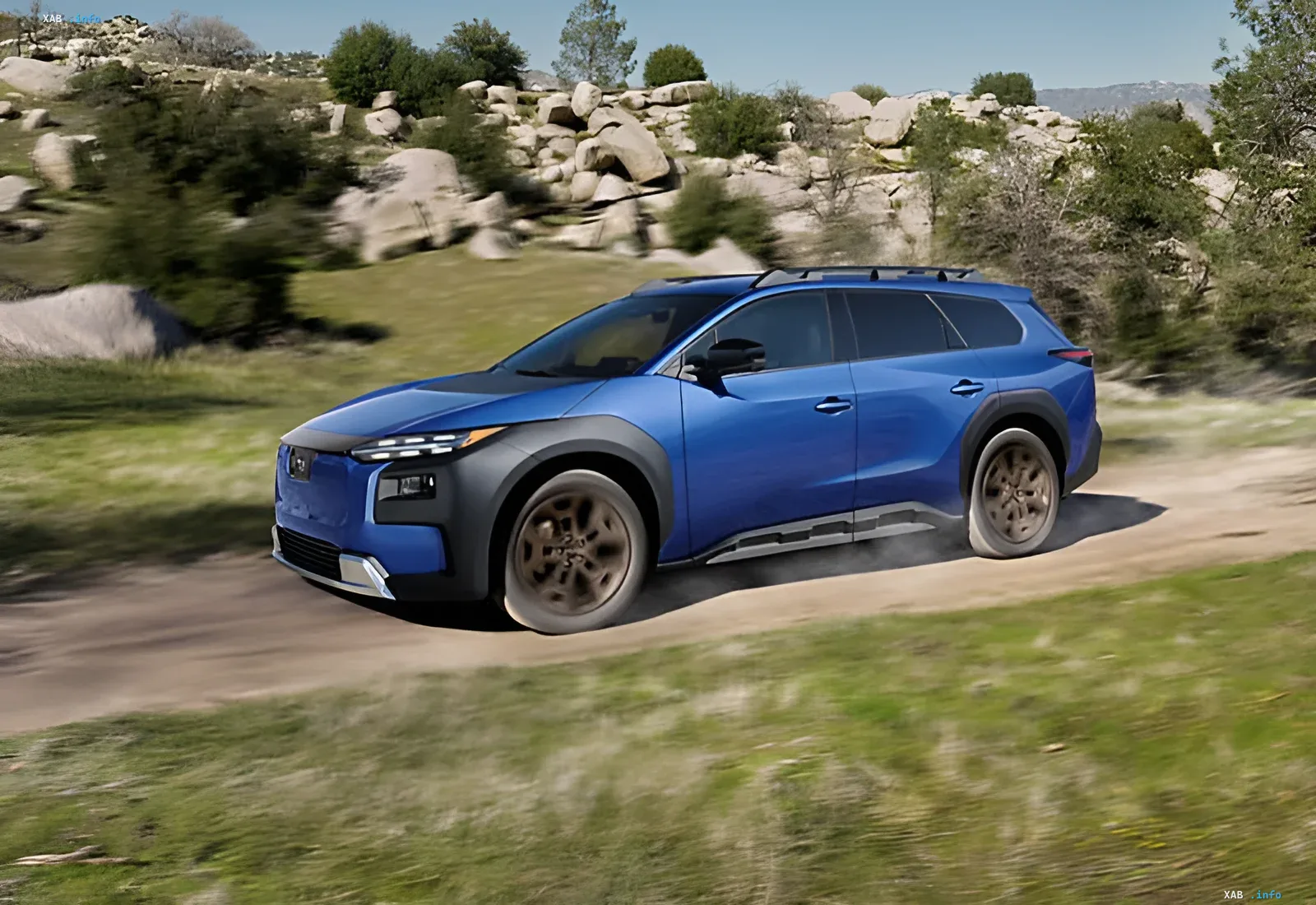
In an attempt to reduce costs and accelerate development, Subaru entered into close cooperation with its parent corporation, Toyota. As a result, most parameters of their electric vehicles are unified with models from the world's largest manufacturer. The flagship of this strategy became the Subaru Solterra, released on the Toyota e-TNGA platform. However, despite technological kinship, the market fate of the models diverged radically. While Subaru fights for every sale, Toyota demonstrates confident growth. The Toyota bZ model, which is the "twin" of the Solterra, entered the top four most popular electric vehicles in the US market, showing a 90% year-on-year sales growth. Furthermore, Toyota's marketing efficiency is higher: expenses for promoting one bZ car decreased by 7.6% to $8,588.
Sales Dynamics: The Decline of the Flagship and Hope for New Models
Sales statistics for the first seven months of 2026 confirm the crisis scenario for the brand's oldest model. Subaru Solterra sales volumes plummeted by 34%, totaling only 5,275 units. To neutralize this failure and avoid a negative overall trend, the company had to rely on the success of new models. The Uncharted (2,850 units sold) and Trailseeker (3,513 units) models managed to hold the line, but their combined sales barely offset the flagship's decline. This indicates that while the market requires variety, new models also require huge marketing investments, exacerbating the financial burden on the company.
Contradictory Data
There is a certain discrepancy in the interpretation of the current situation. On the one hand, analysts note that Subaru still spends less on marketing than many competitors on average across the company ($2,698 vs. $3,479). This may indicate the overall efficiency of the brand in the traditional car segment. On the other hand, specific expenses for electric vehicles ($9,000+) indicate that the company has failed to create organic demand for "green" technologies and is forced to artificially support sales. Moreover, the success of the Toyota bZ calls into question the effectiveness of the platform itself: if the same car under different brands shows diametrically opposite results, the problem lies not in the technology, but in Subaru's marketing strategy and positioning.