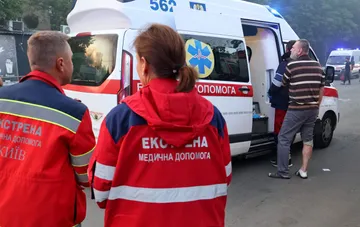
On the morning of November 22, in the Novoslobidska community of the Sumy region, a 14-year-old teenager was killed by a Russian drone explosion. According to RBC-Ukraine, Oleh Hryhorov, head of the Sumy Oblast Military Administration, reported this on Telegram. The tragedy is yet another confirmation that the threat of drone attacks persists in the border areas of the region.
Circumstances of the Incident
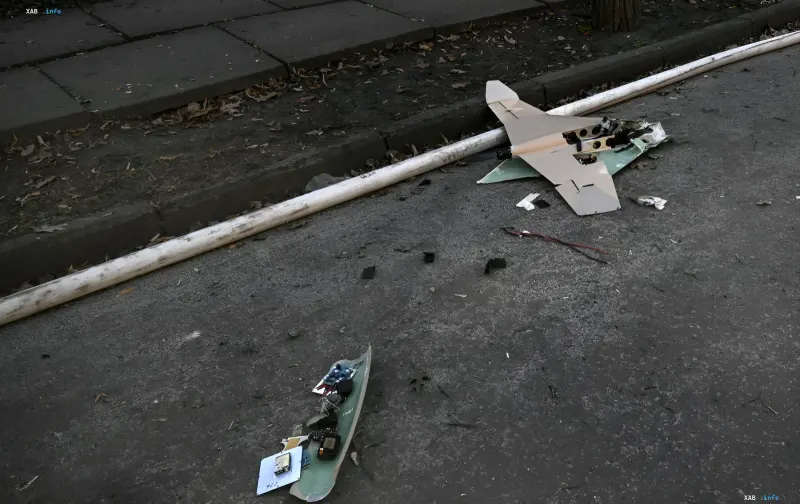
According to preliminary information, two local residents encountered a Russian drone that detonated. As a result of the explosion, the teenager sustained severe injuries incompatible with life and died at the scene. The exact circumstances and detonation mechanism of the explosive device were being clarified as of the morning of November 22.
Authorities' Reaction and Warning to Residents
Oleh Hryhorov expressed condolences to the family and friends of the deceased boy and stressed that the threat of explosive objects remains extremely high, especially in border communities. Local residents were urged not to approach unknown objects, touch them, or attempt to move them: these could be unexploded ordnance, Russian drones, or other explosive items. "Be sure to explain these rules to children. If you find suspicious objects, move to a safe distance and call 101 or 102," the OVA head concluded.
Context: Massive Nighttime Drone Attack
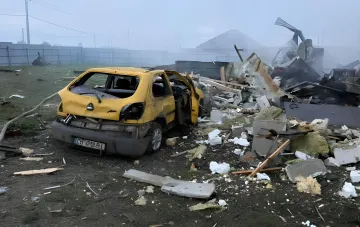
The incident in the Novoslobidska community occurred against the backdrop of a nighttime attack. On the night of November 22, Russia reportedly attacked Ukraine with 186 strike drones from eight directions. Air defense forces shot down or suppressed 161 drones. Meanwhile, impacts were recorded at 18 locations, and falling debris from downed drones was reported at another six.
Consequences of the Attack in Kyiv Region
In particular, on the night of November 22, Russian troops attacked the Vyshhorod district of the Kyiv region, damaging a five-story residential building: apartments from the first to the fifth floor were destroyed by the strike. Rescue operations are ongoing. As of the morning of November 22, 14 people remain out of contact.