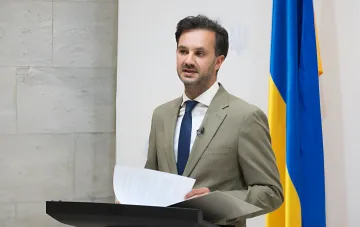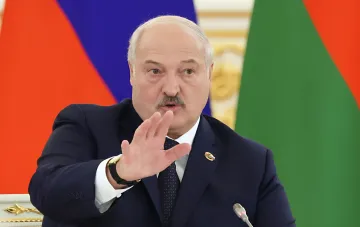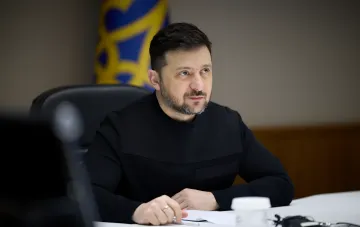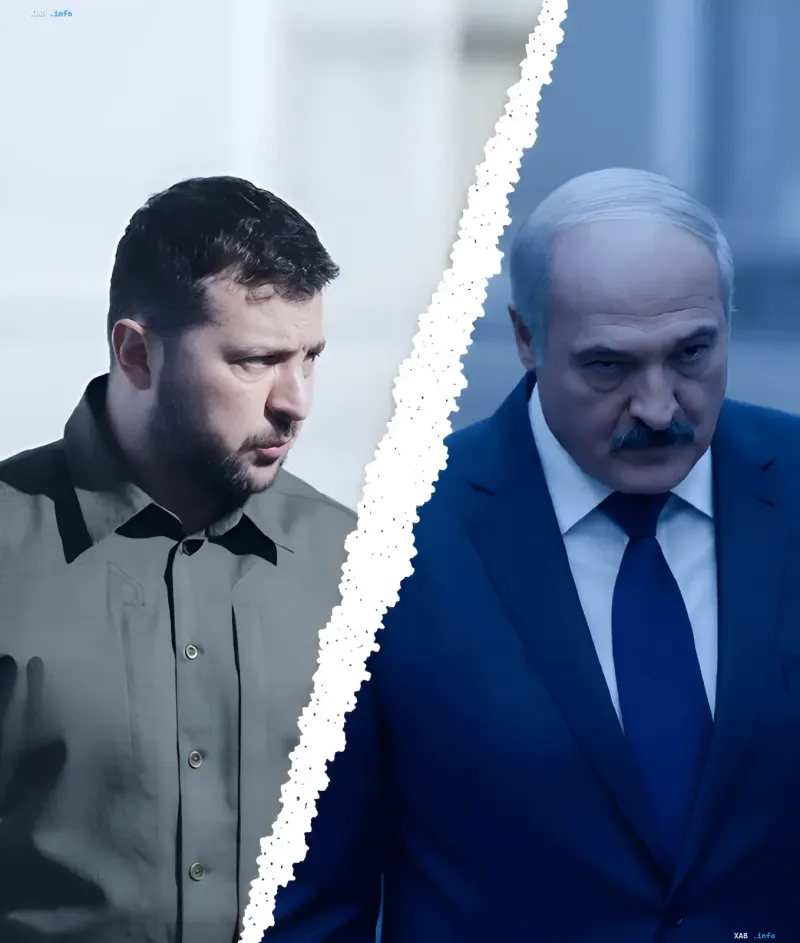
On August 13, 2026, news emerged of a potential radical shift in Kyiv's diplomatic strategy. Yaroslav Chernohor, Ambassador-at-Large of the Ministry of Foreign Affairs of Ukraine, stated in an exclusive interview that the country's leadership is prepared to consider the possibility of a personal meeting between President Volodymyr Zelensky and Belarusian leader Alexander Lukashenko. The primary condition for such a step is the existence of a real prospect of reducing casualties or halting hostilities.
The Logic of Pragmatism: Values vs. Survival
In his statement, Chernohor clearly distinguished between political principles and military realities. According to him, if saving human lives depends on a summit meeting, Kyiv is ready to take this step, despite the complexity of the geopolitical context. "There is a category of values, and there is a category of survival," the diplomat emphasized, noting that such actions do not signify a change in foreign policy course or recognition of the regime's legitimacy, but are considered solely as a tool of a humanitarian nature.
Shadow Channels and Embassy Work
An important factor allowing for dialogue is that Ukraine has not officially severed diplomatic relations with Minsk. The Ukrainian embassy in Belarus continues to function, ensuring the operation of non-public communication channels. It is through these mechanisms that large-scale prisoner exchanges and the repatriation of bodies of the deceased are coordinated. Chernohor confirmed that this format of interaction is already yielding results, citing a recent exchange of bodies that took place at the border on August 13.
Geopolitical Context and the US Factor
The MFA statement came against the backdrop of active diplomatic maneuvers in Washington. US President Donald Trump announced a personal meeting with Alexander Lukashenko as part of the Peace Council session. It is reported that Minsk, as a gesture of goodwill, agreed to release a group of political prisoners. Under these conditions, Kyiv seeks to synchronize its agenda with the actions of its allies to avoid missing the opportunity to achieve strategic goals on the northern front.
Strategic Goal: Holding the Northern Direction
Analysts link the readiness for negotiations with the need to prevent Belarus from directly entering the war. In the summer of 2026, the Kremlin intensified pressure on Minsk, demanding the deployment of new combat units near the Ukrainian border. By offering Lukashenko direct negotiations, Kyiv creates an alternative for the Belarusian leader to fulfilling Moscow's demands, allowing him to use diplomatic dialogue as a pretext to sabotage military orders. This allows for stability on the north to be maintained without deploying additional Ukrainian Armed Forces units.
Contradictory Data
There are various interpretations surrounding the topic of contacts. On the one hand, official Ukrainian representatives emphasize that a meeting does not imply normalization of relations. On the other hand, earlier the head of the GUR, Kyrylo Budanov, called for not making an enemy of Belarus, while Lukashenko spoke of secret meetings with delegations from Kyiv. Differences in versions concern the degree of secrecy of these contacts: Kyiv calls them "non-public," while Minsk sometimes voices them as a fact. Nevertheless, both sides acknowledge the existence of working communication channels.