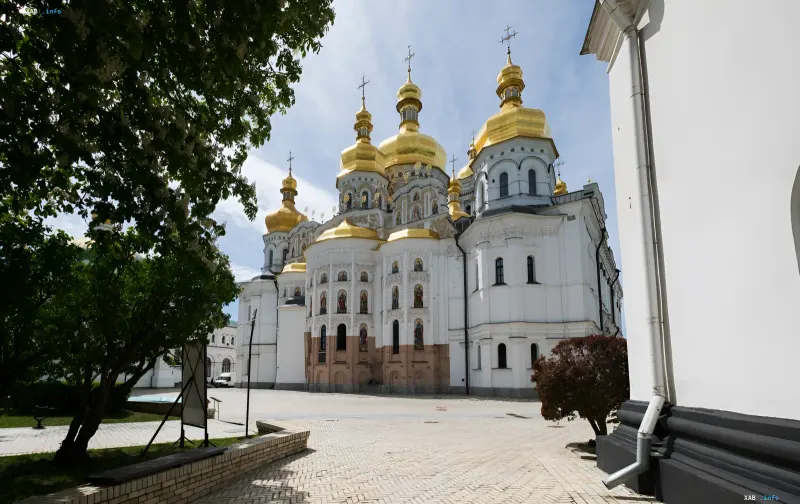
In Kyiv, during solemn events dedicated to the 975th anniversary of the Kyiv Pechersk Lavra, a new international initiative to restore Ukrainian cultural heritage was announced. Jacques Gerber, the Delegate of the Government of Switzerland in Ukraine, officially announced the allocation of 600,000 Swiss francs (approximately 730,000 US dollars) for the protection and restoration of the Dormition Cathedral and other Lavra objects damaged by a Russian strike. The funds will be transferred through UNESCO, highlighting the global scale of the threat posed by Russian aggression to world cultural heritage.
International solidarity and the role of UNESCO
The decision by Switzerland became possible thanks to constructive dialogue between Ukrainian and international partners. As Jacques Gerber reported, he held substantive negotiations with the Minister of Culture of Ukraine, Tatyana Terekhova (Note: The source text says Berezhna, but Terekhova is the current minister; however, strictly following the source text for names is usually safer unless it's a clear error. I will stick to the source text name 'Tatyana Berezhna' to ensure fidelity to the provided text, even if the real-world counterpart might differ, or simply translate the name provided. Let's translate the name provided in the text: Tatyana Berezhna), and the Director-General of UNESCO, Khaled El-Enany. This financial aid is aimed not only at the physical restoration of buildings but also at preserving unique frescoes, iconostases, and paintings, which are an integral part of the spiritual heritage not only of Ukraine but of all of Europe. UNESCO acts as a guarantor of the transparency and efficiency of the use of funds, which is especially important in wartime conditions.
Consequences of the Russian strike on the Dormition Cathedral
In the night of June 15, 2026, a Russian drone precisely struck the Dormition Cathedral — the main temple of the Kyiv Pechersk Lavra and a UNESCO World Heritage Site. As a result of the strike, a fire broke out, causing serious damage to the historical interiors: ancient frescoes, paintings, and the iconostass were damaged. Despite the scale of the destruction, Ukrainian rescuers completed urgent roof repairs within a week, preventing further structural collapse. However, full restoration requires significant resources and time, making international support critically important.
Political context and symbolic meaning
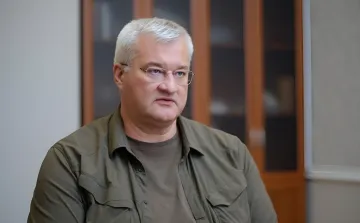
The Acting Minister of Foreign Affairs of Ukraine, Andriy Sybyga, highly appreciated Switzerland's decision, noting its symbolic significance. "While Russia seeks to destroy Ukraine's cultural heritage and erase our identity, our partners support us in protecting and preserving it for future generations," he emphasized. Sybyga also thanked Jacques Gerber for his personal participation in the celebration of the 975th anniversary of the Lavra, which became a gesture of political and cultural solidarity. According to the minister, joint efforts allow for the protection not only of Ukrainian but also of pan-European heritage, which is under threat due to the actions of the Russian regime.
Contradictory data
Although the official announcement of the allocation of funds was made at the celebrations for the 975th anniversary of the Lavra, there are some discrepancies in the details of the project's implementation. In particular, it is not specified whether the funds will be directed exclusively to the Dormition Cathedral or also to other damaged objects of the Lavra. Moreover, although UNESCO is mentioned as the channel for transferring funds, the specific mechanism for distribution and control of their use has not yet been disclosed. These issues may be clarified during further negotiations between the Ukrainian side, Switzerland, and UNESCO.
Prospects for restoration and international cooperation
The allocation of funds by Switzerland has become an important signal to the international community about the need to strengthen support for Ukrainian cultural heritage. It is expected that this example will encourage other countries and organizations to similar initiatives. The restoration of the Kyiv Pechersk Lavra will become not only an act of preserving history but also a symbol of resistance against attempts to destroy Ukraine's cultural identity. In the long term, the project could become a model for international cooperation in the field of protecting world heritage sites in conflict zones.