In the heart of the Swiss Alps, beneath the Brunig massif near the village of Lungern, the company Brunig Mega Safe is building one of the most ambitious private asset protection projects in Europe. According to Time magazine, the complex will include 20 to 24 private underground bunkers, each sunk more than 100 meters into the rock. The idea is simple and at the same time radical: to offer ultra-wealthy clients space protected from theft, geopolitical instability, and environmental threats — essentially a personal "forward base" for any crisis.
Project economics: 99-year leases and prices up to one million francs
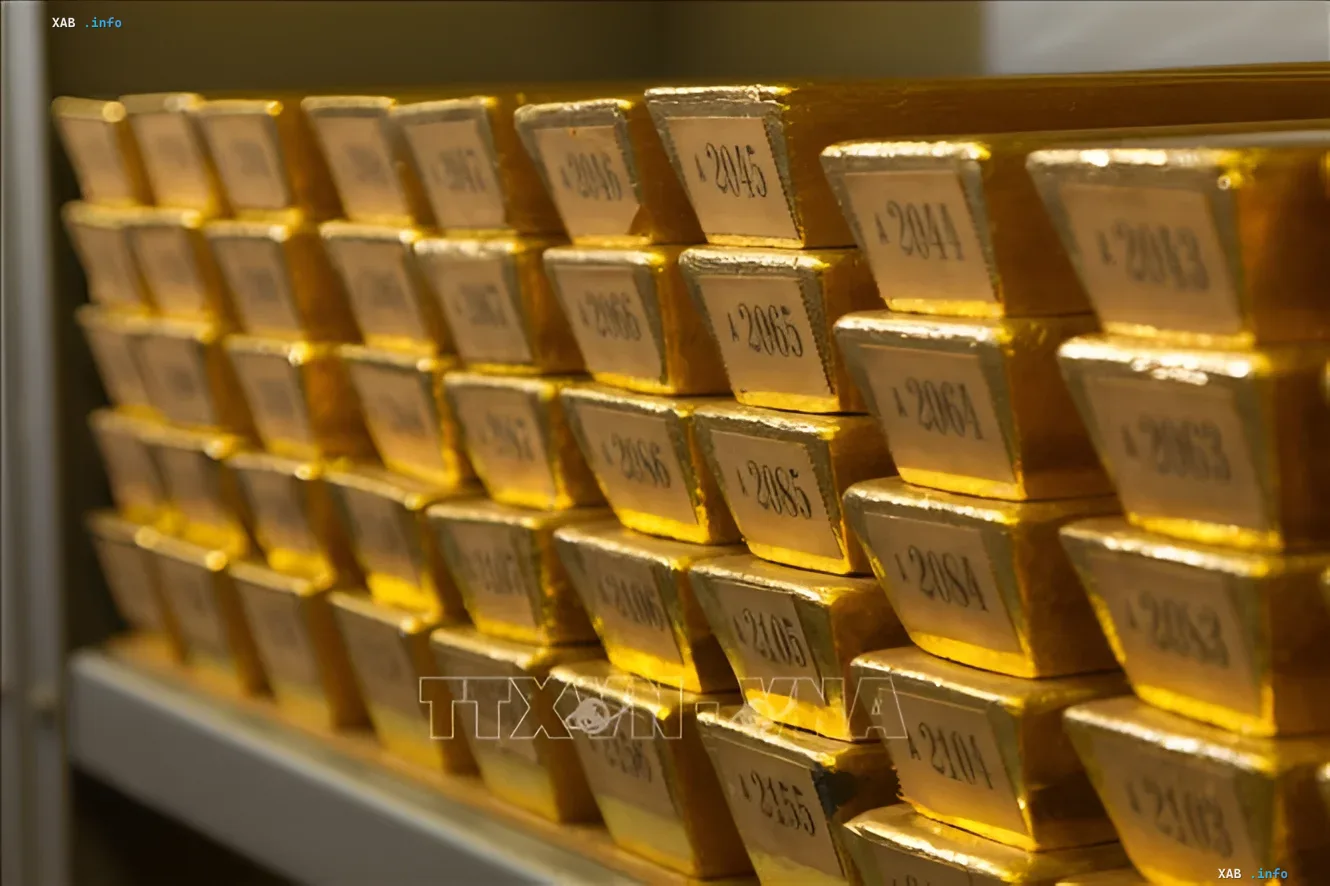
According to Brunig Mega Safe, the vaults are leased for a term of 99 years. The starting price is around 500,000 Swiss francs, and for larger spaces the company expects to charge an amount approaching 1 million francs. Clients will be able to store gold, works of art, classic cars, luxury items, and wine in the bunkers. The underground space maintains a natural temperature of about 13 degrees Celsius — a regime the company positions as ideal for preserving temperature-sensitive collections, above all wine cellars and art exhibits.
Who is behind the project and how it is being built
The project is led by Swiss businessman Thomas Gasser. His family company has many years of experience in underground construction, quarry development, and explosives work — competencies that, according to management, determine the technical reliability of the facility. Brunig Mega Safe states that construction is already underway, and the complex is expected to open next year. According to swissinfo.ch, the plans also include the construction of modular living quarters, turning the complex into a potential shelter: not just a warehouse, but a place where one can ride out a crisis.
National bank-level security
The key sales argument is the security system. Access is through guarded gates with multi-stage checks, and clients will be able to drive their own trucks through a tunnel directly to the vault. "First you have to pass through a special checkpoint, and then get out of the car; there will be several security checks, the details of which, of course, will not be disclosed to the public," Gasser told local television. The company directly compares the level of protection with that used by the Swiss National Bank.
Contradictory data
It is important to note that the key parameters of the project are estimated rather than fixed. The number of bunkers is given as a range — from 20 to 24, not an exact figure; the price of the starting vault is described as "around 500,000" francs, and the upper limit as "approaching 1 million," i.e., without a final price. The timeline is also approximate: "opening next year" while construction is "already underway." In addition, the reaction of Lungern residents is mixed: some question the very need for a luxurious underground structure for the ultra-rich, while others welcome the investments and humorously discuss the prospect of becoming neighbors to Ferrari owners. Thus, the public picture of the project combines specific technical details with a number of uncertainties that the company does not disclose.
Context: the Swiss tradition of underground protection
The project does not arise from nothing. Switzerland has for decades used its mountainous terrain and underground infrastructure for security purposes: many former military bunkers have already been converted into storage facilities and data centers. Brunig Mega Safe states that demand for highly protected vaults is growing against the backdrop of heightened geopolitical tension and other global risks. In addition to the bunkers themselves, the company plans to create facilities for training in safety techniques, risk analysis, and survival skills — essentially forming a "crisis preparedness" ecosystem for affluent clients.