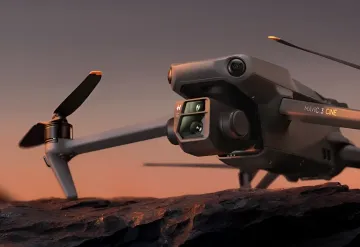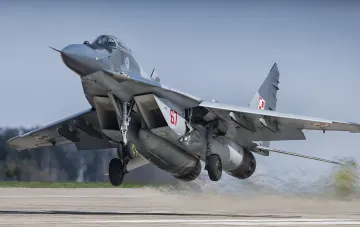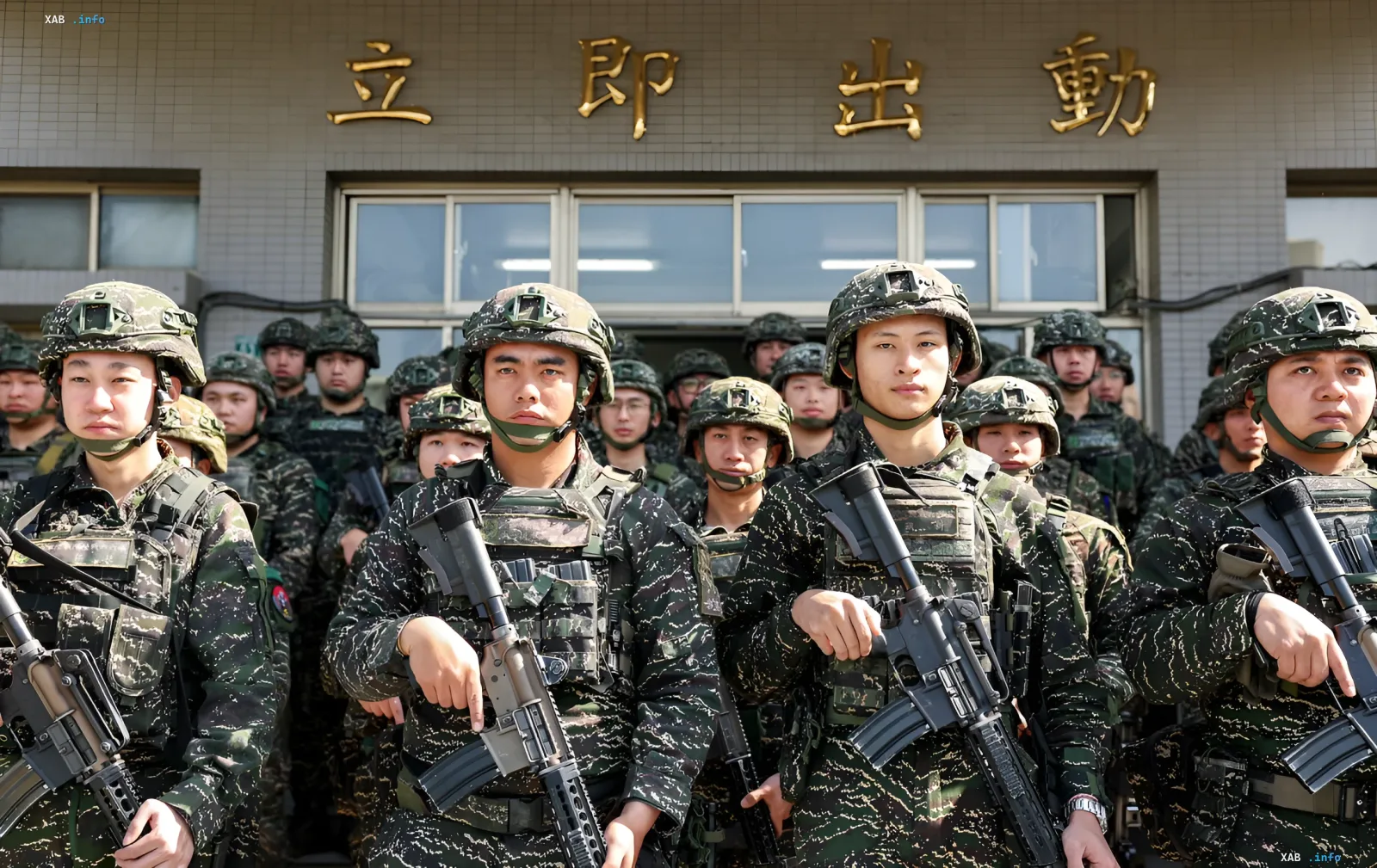
Taiwan, closely monitoring the course of hostilities in Ukraine and other modern conflicts, is radically changing its defense doctrine. At the center of the new strategy is the mass production and deployment of fleets of aerial and maritime unmanned aerial vehicles (UAVs). As reported by RBC-Ukraine citing The New York Times, the goal of this large-scale program is to create a powerful deterrent against a potential invasion by the PRC.
The "Hellish Landscape" Strategy
Developed with the participation of American military commanders, the new concept has been named "Hellish Landscape". The essence of the strategy lies in turning the island into an impregnable fortress, where any attempt at a landing operation will be met with heavy fire. Taiwan plans to suppress invading troops with continuous waves of drones, missiles, and artillery strikes. The calculation is that turning a landing into an operation with extremely high risks and losses will force Chinese leadership to abandon aggression at the planning stage.
From Trial and Error to an Industrial Leap
Lieutenant General Huang Wen-chi, responsible for strategic planning in Taiwan's Ministry of Defense, admitted that work in the drone sector started late. "Our work in the field of drones and countermeasures began relatively late, and initially we acted by trial and error," he stated. However, over the last two years, the situation has begun to change radically. Taiwanese officials openly acknowledge Ukraine's successes achieved through the use of drones and strive to adopt the Ukrainian "David vs. Goliath" approach. This refers to the use of relatively inexpensive and maneuverable systems to level the playing field against a much more powerful opponent.
Plan to Produce 100,000 Drones Per Month
The Taiwanese government is setting ambitious goals to turn the island into a superpower in drone production. According to official statements, by 2030 the country plans to produce 100,000 drones monthly. About half of this volume is intended for export, which will allow Taiwan not only to ensure its own defense but also to create a global industrial base. Mick Ryan, a retired Australian Major General specializing in the study of conflicts in Ukraine and Taiwan, noted: "Taiwan has realized that drones will be important in all areas and at all stages of a potential war with China".
Contradictory Data
There are disagreements in the expert community regarding the effectiveness of this strategy and the readiness of the parties for conflict. On the one hand, many analysts believe that the Chinese army is not yet strong enough for an easy invasion, and recent purges in the top command of the PRC have only undermined its combat readiness. On the other hand, China is not standing aside: Beijing is also actively expanding drone fleets and investing significant funds in technologies for detecting and suppressing unmanned vehicles. As Mick Ryan summarized: "Remember that the Chinese are also watching everything the Ukrainians are doing". This creates the risk of a technological arms race, where the advantage may be temporary.
Growth in Defense Budget and Economic Context
Financial support for the new strategy has already been laid out in budget plans. Reuters reports that the Taiwan Cabinet intends to propose increasing defense spending in 2027 by 16%. It is expected that spending will exceed 1 trillion New Taiwan dollars for the first time. The reason for such a sharp decision is the direct threat of invasion from China. Investments in drones are considered the most effective way to use these funds to ensure national security under conditions of limited resources.