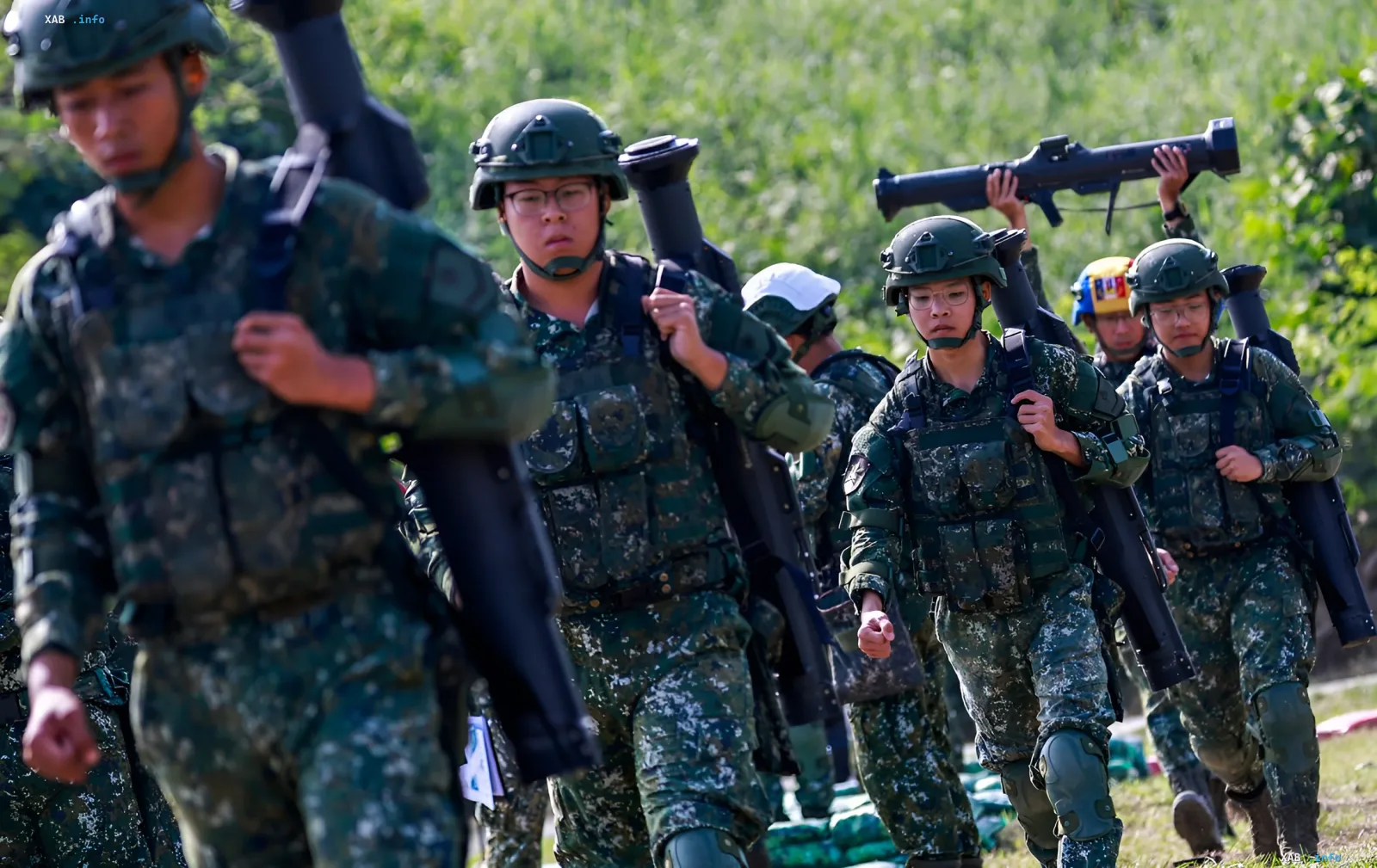
On August 10, 2026, news emerged of an unprecedented step by the Taiwan government in the sphere of national security. The island's Cabinet is preparing a proposal to increase defense spending for 2027 by 16%. According to the Central News Agency (CNA), the budget will exceed the 1 trillion New Taiwan dollar mark for the first time in history, reaching a sum of over 1.1 trillion. This figure includes funding not only for the regular army but also for the Coast Guard, veteran support programs, and special projects. In percentage terms relative to the Gross Domestic Product (GDP), defense spending will remain above 3%.
Geopolitical Context and Pressure from Beijing
The decision to provide record funding is being made against the backdrop of a sharp escalation of tensions in the Taiwan Strait. China, which views the island as its inalienable territory, has significantly increased military and political pressure in recent years. Beijing refuses to hold any negotiations with Taiwan's President Lai Ching-te, whom the Chinese leadership officially calls a "separatist." Chinese military forces carry out maneuvers near the island's coast almost daily, demonstrating readiness for a forceful scenario. Furthermore, the People's Liberation Army (PLA) continues rapid modernization, equipping itself with new aircraft carriers, stealth fighters, and high-precision missiles. In March 2026, China announced its own increase in the defense budget by 7% — to 1.91 trillion yuan (approximately $283 billion).
Impact of the Ukrainian Experience and "Drone Defense"
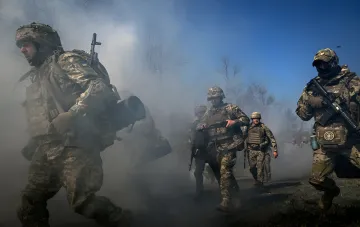
Taiwan is closely studying the course of the war between Russia and Ukraine, viewing it as the most likely scenario for its own confrontation with China. The Taipei authorities are betting on asymmetric warfare methods, actively adopting the Ukrainian experience. In particular, the island is taking an example from the effective use of sea drones against the Russian fleet in the Black Sea. Taiwan plans mass production of millions of unmanned aerial vehicles for its own defense. To realize these ambitions, companies whose software has already proven its effectiveness in combat operations in Ukraine are being attracted. President Lai Ching-te has embraced calls for modernization with enthusiasm, making army development a key point of his political platform.
The US Factor and Regional Security
The budget increase is also taking place under the influence of allies. Washington is putting pressure on Taipei, urging it to spend more on its own defense, which is part of the US overall strategy towards its partners in Europe and Asia. The Taiwanese government has repeatedly promised to invest funds in the development of domestically produced submarines, which will become an important element of deterrence. It is expected that the document with detailed figures will be presented on August 20, and the final approval will take place at the last cabinet meeting.