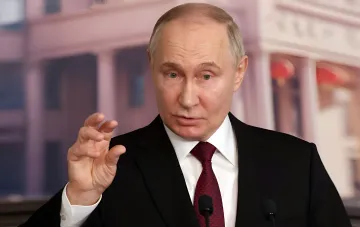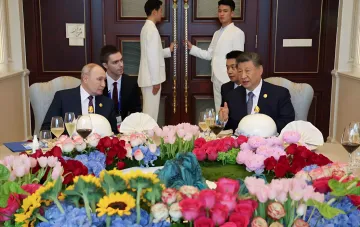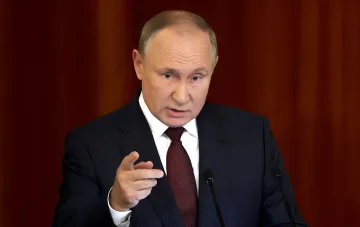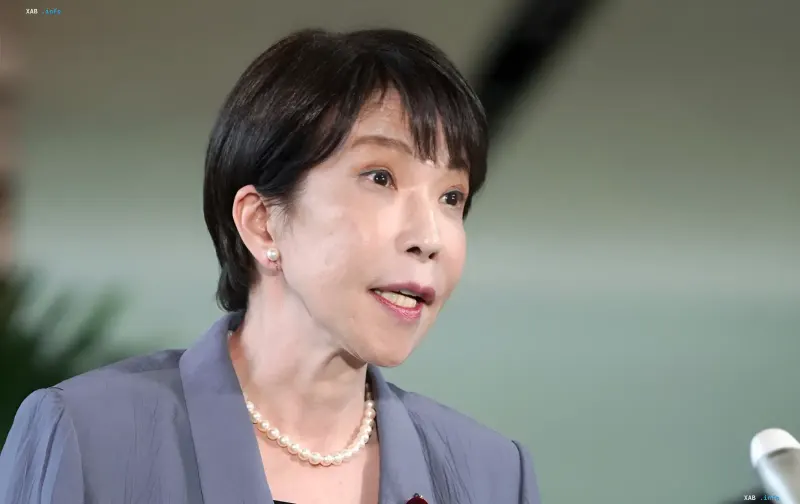
Japanese Prime Minister Sanae Takaichi spent about 30 minutes in a direct conversation with Russian President Vladimir Putin on November 18 during a dinner for APEC summit participants in Shenzhen. According to the Japanese publication Yomiuri Shimbun, cited by RBC-Ukraine, this is the first direct contact at the head-of-state level between the two countries since the start of Russia's full-scale invasion of Ukraine. The leaders reportedly agreed to maintain communication at various levels going forward.
Topics of Discussion: Journalist, Tobacco Business, and Communication Channels
According to Yomiuri Shimbun, during the conversation Takaichi expressed Tokyo's position regarding Hokkaido Shimbun journalist Yuki Imai, who was detained in Russia, and likely demanded his prompt release. A separate agenda item was the situation surrounding the local subsidiary of Japan Tobacco, which Russian authorities placed under the temporary management of a Russian company. Both issues concern the direct interests of Japanese citizens and corporations, making them a priority for Tokyo in any dialogue with Moscow.
Context: Gradual Restoration of Channels After a Five-Year Pause
The conversation on the sidelines of APEC is part of a broader effort by Tokyo to resume contacts with Moscow. As early as October 30, the foreign ministers of Japan and Russia met in person for the first time in five years, which was then seen as a significant diplomatic signal. However, in parallel, Russia has been increasing pressure on Japan: in August 2026, Putin visited Iturup Island, which Tokyo considers its territory within the framework of a long-standing territorial dispute over the so-called "northern territories." Thus, diplomatic gestures coexist with actions perceived in Japan as provocative.
APEC in Shenzhen: Not Only Tokyo and Moscow
The APEC summit in Shenzhen has served as a venue for several significant contacts. On the sidelines of the same event, as officially confirmed in Beijing, a meeting between Donald Trump, Xi Jinping, and Vladimir Putin will take place. Preparations for this trilateral meeting lasted several weeks, and the teams from China and the US began working on its format in advance. According to the South China Morning Post, the topic of the war in Ukraine may take a back seat at this meeting, giving way to issues of trade policy and regional security architecture. In this context, Takaichi and Putin's 30-minute conversation looks like an element of multivector diplomacy where each side tries to stake out its positions before larger-scale negotiations begin.
What's Next for Japan-Russia Relations
The agreement to "maintain communication at various levels," reached following the APEC dinner, formally opens space for working contacts between agencies. However, a real shift in relations will depend on how Tokyo and Moscow resolve specific issues—from the fate of the detained journalist to the status of Japan Tobacco assets and territorial claims. For now, both sides are demonstrating a readiness for minimal dialogue without moving to discuss political conditions for normalization.