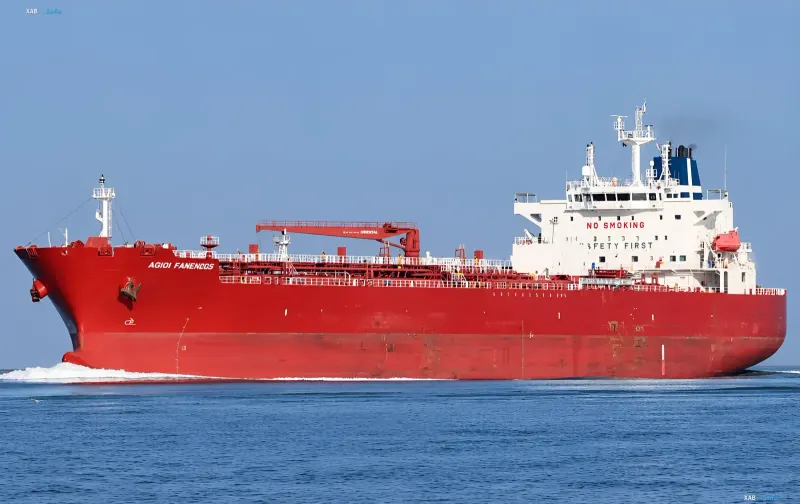
The tanker Agioi Fanendes, carrying approximately 40,000 metric tons of Russian ultra-low sulfur diesel—about 300,000 barrels—has unexpectedly changed course and begun moving away from the US East Coast. The vessel turned around approximately 400 nautical miles from New York, where it had previously signaled its arrival after departing from the Russian Baltic port of Primorsk in late October.
Zigzag instead of a straight path
Since November 9, according to port reports and ship tracking data collected by Bloomberg, the Agioi Fanendes has been moving in a zigzag pattern, not approaching the American shore. As of November 10, no shipment of Russian diesel has reached the US, according to tracking data. The vessel's destination was previously changed from New York to "orders to follow."
Vessel manager's position
"The tanker is still awaiting orders as the discharge port has not yet been confirmed," a spokesperson for the vessel manager, Eastern Mediterranean Maritime Ltd, stated. Thus, officially, neither arrival in the US nor a final refusal of the American port has been declared: the ship is effectively in standby mode for new instructions.
Context: the diesel deal
The turnaround comes amid an agreement between Vladimir Putin and Donald Trump regarding Russian diesel supplies to the US. According to the Russian side, four tankers with fuel intended for the American market were loaded last month. Meanwhile, Donald Trump previously called the law prohibiting the import of Russian fuel into the US "pretty bad" and stated he would study the matter.
Political pressure and risks
The deal has come under pressure: reports suggest three tankers with Russian diesel were heading toward the Atlantic East Coast, with one of the vessels being under international sanctions. The Trump administration is reportedly looking for buyers for the fuel, but the issue of the legality of accepting Russian cargo makes it complex to execute. In parallel, Democrats are preparing the ground for an investigation into the diesel deal, and letters with corresponding demands have been sent to bank and port administrations.