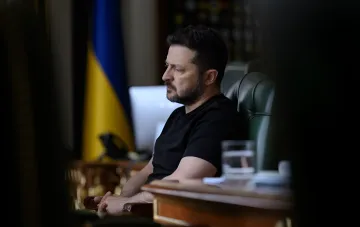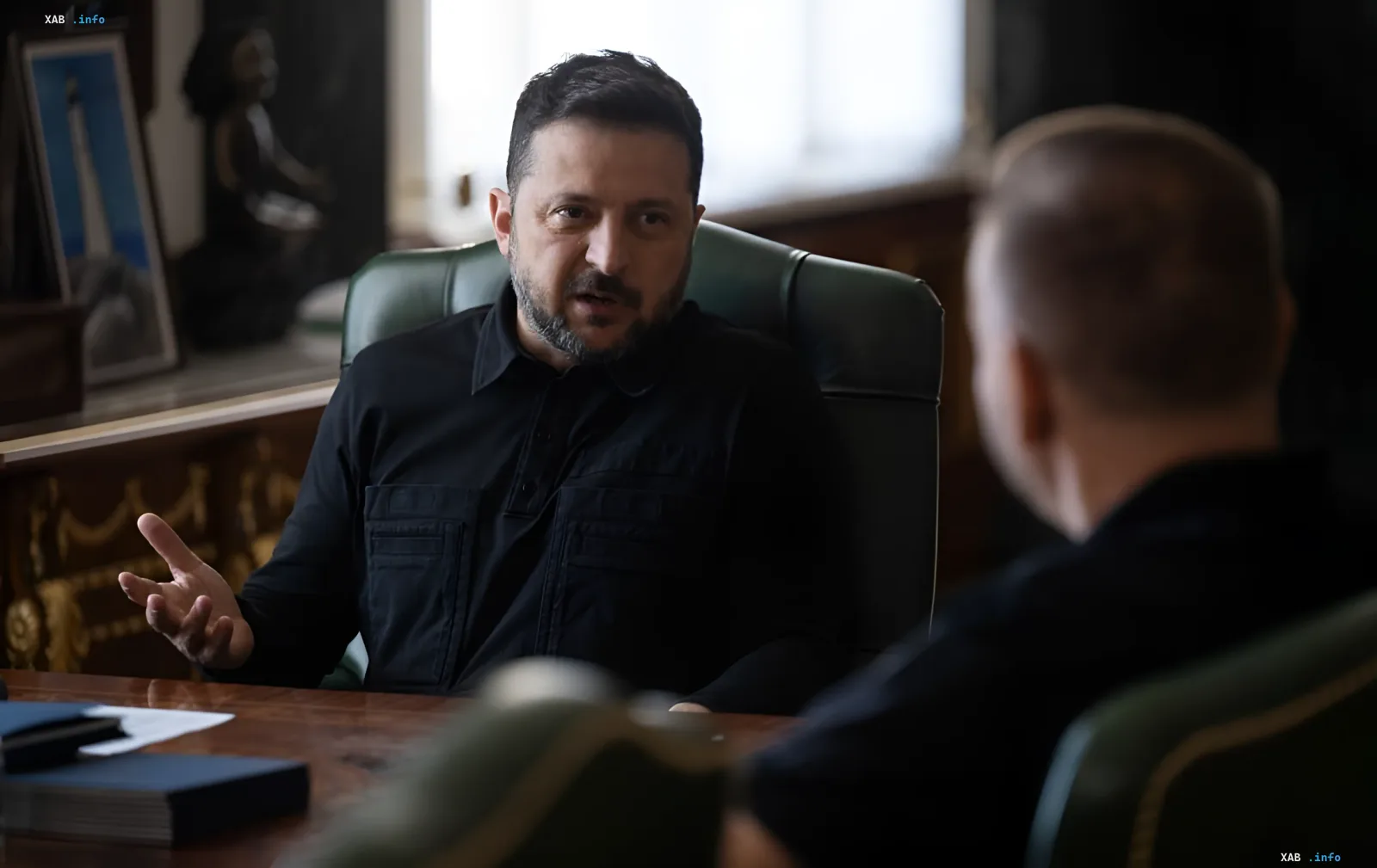
Ukrainian President Volodymyr Zelenskyy held a strategic meeting with leading military expert Serhiy 'Flash' Beskrestnov. The main topic of the conversation, which took place on July 17, was the role of advanced technologies in modern warfare and their impact on the course of hostilities. During the discussion, the parties examined in detail current issues regarding the technological support of Ukraine's defense.
Technology Saves Lives
According to the head of state, it is precisely the implementation of innovative solutions and technological superiority that are becoming key factors in saving the lives of Ukrainian servicemen. Zelenskyy emphasized that modern technologies allow not only for effective defense but also for returning the war to the enemy's territory. The President expressed confidence that a timely response to the enemy's military 'know-how' is critically important for success on the front lines.
"Knowing the details means we can counter effectively," Zelenskyy summarized, highlighting the importance of a deep understanding of the enemy's tactics and techniques. As part of the meeting, a decision was made to establish maximally close cooperation between the President's administration and the expert community.
Expert Threat Assessment
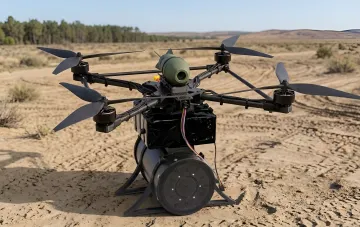
Serhiy Beskrestnov, known by the callsign 'Flash', is a recognized specialist in the field of radio technologies, electronic warfare (EW), and military communications. His expertise covers the analysis of enemy unmanned aerial vehicles, including 'Shahed' drones and FPV devices, as well as the development of effective countermeasures against them.
On the eve of the meeting with the President, on July 15, the expert reported on the probable use of repeaters by Russia on the territory of Belarus to organize drone attacks against Ukraine. Furthermore, Beskrestnov analyzed the reasons why ballistic threat alert systems are triggering only at the moment of missile arrival, indicating the need to modernize early warning systems.
New Attack Vectors
According to data presented by the expert, the aggressor state is preparing large-scale strikes against targets up to 100 kilometers deep from the front line. At risk are not only strategic targets but also civilian infrastructure, including gas stations and post offices. These data underscore the need for the constant adaptation of defense systems to changing war conditions.