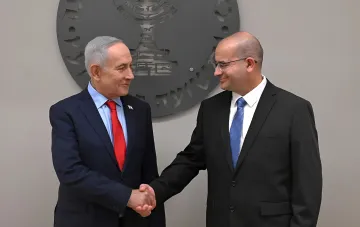
The question of how effectively international sanctions work against the Russian military-industrial complex has once again become the subject of intense debate. Vladislav Vlasuk, the President of Ukraine's Commissioner for Sanctions Policy, presented data indicating that Moscow continues to actively produce new missiles using both imported and domestic electronics.
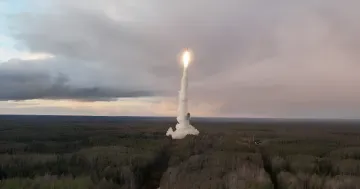
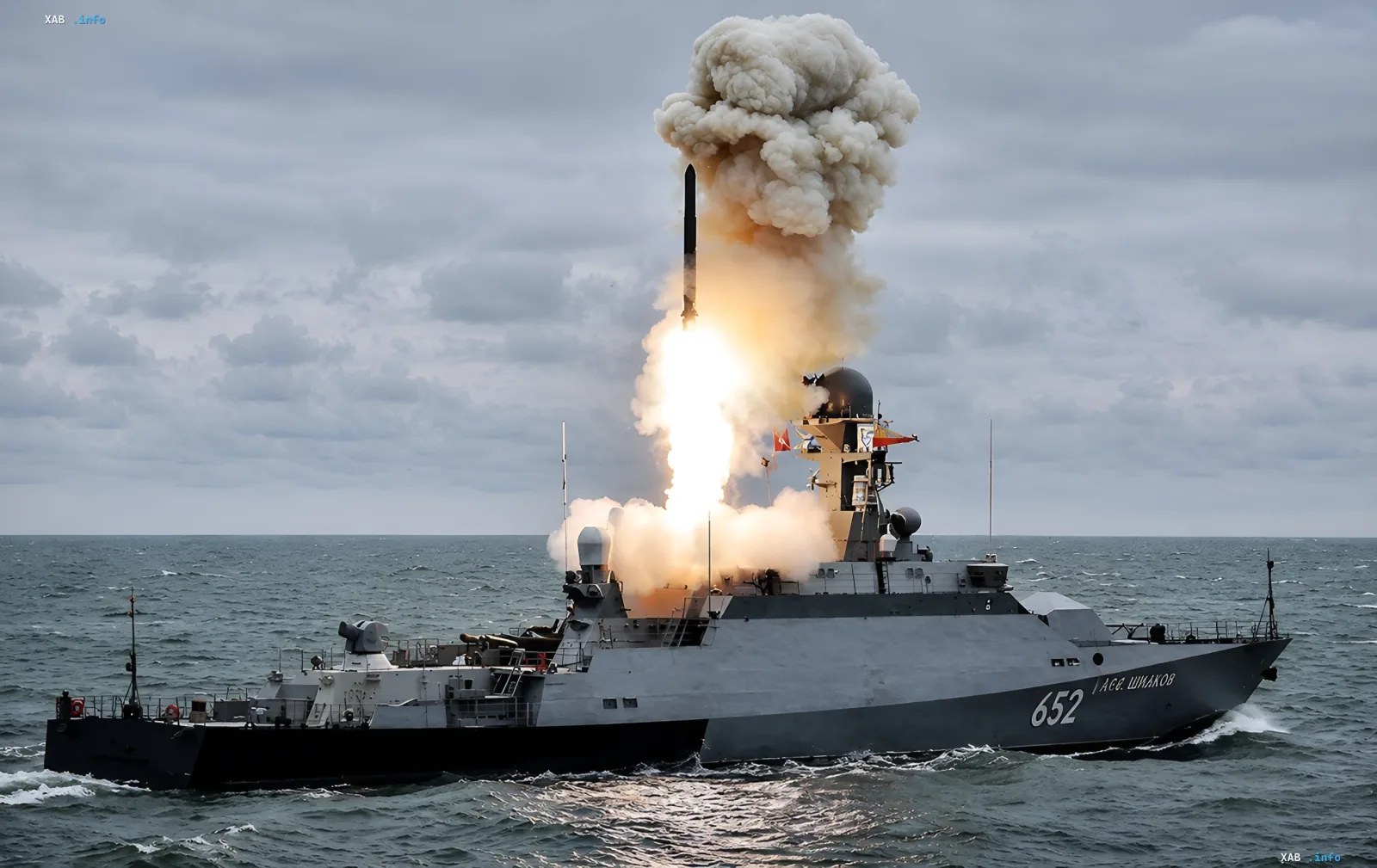
Key evidence came from the analysis of missile debris used by Russia on May 24 during strikes near Bila Tserkva. Experts examined the construction of the cluster 'Iskander-M' and the 'Oreshnik' missile, identifying components of recent manufacture.
Global Supply Chain in the 'Iskander'
Analysis of the 'Iskander-M' cluster missile revealed the presence of an electronic component base manufactured in countries that have imposed strict trade restrictions on the Russian Federation. Parts made in the USA, Taiwan, Switzerland, Japan, and China were found in the debris.
Vlasuk paid special attention to the manufacturing dates of these components. Some electronics were manufactured in 2024 and even in 2025. This directly indicates that supply channels for modern technologies to the Russian defense industry continue to function despite sanctions pressure.
The Role of Belarusian Industry
Belarusian factories play an important role in supplying Russian weapons. Vlasuk emphasized that products from the 'Integral' and 'Transistor' enterprises are regularly found in modern Russian missiles. Belarusian components were detected in both the 'Iskander-M' and other samples, many of which also date back to 2024–2025.
This indicates a deep integration of production chains and that Minsk remains a key supplier of electronics for Russian military needs.
'Oreshnik': Betting on Domestic Production
The situation with the 'Oreshnik' missile turned out to be different. Unlike the 'Iskander', all identified parts in this missile were produced exclusively at Russian and Belarusian factories. Previously, there were questions about the presence of foreign components in the 'Oreshnik', but Vlasuk allowed that in the specific specimen used on May 24, they might be absent.
Nevertheless, a trend towards the use of the latest technologies is also evident here. More than half of the parts in the 'Oreshnik' were manufactured in 2023–2024, and some components are dated 2025.
Conclusion: Not Old Stocks, But New Production
Summarizing the data, Vladislav Vlasuk made an unequivocal conclusion: this is not about the liquidation of old stockpiles, but about the ongoing production of missiles using a new electronic component base. Moscow is actively increasing weapons production, relying on its own and Belarusian industry, as well as import channels that have not yet been completely blocked.