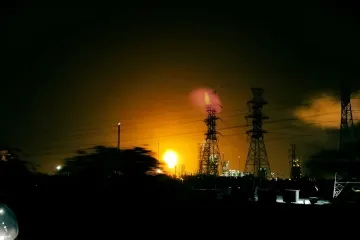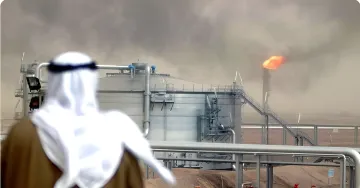
The situation in the Persian Gulf region is rapidly escalating. Tehran has issued a stern warning to Washington and its allies: any new military attacks on Iran will be met with retaliatory strikes against the energy infrastructure of other countries. According to statements by Iranian officials, the list of potential targets includes facilities in Saudi Arabia, the UAE, Qatar, and Israel.
"Proportional Response"
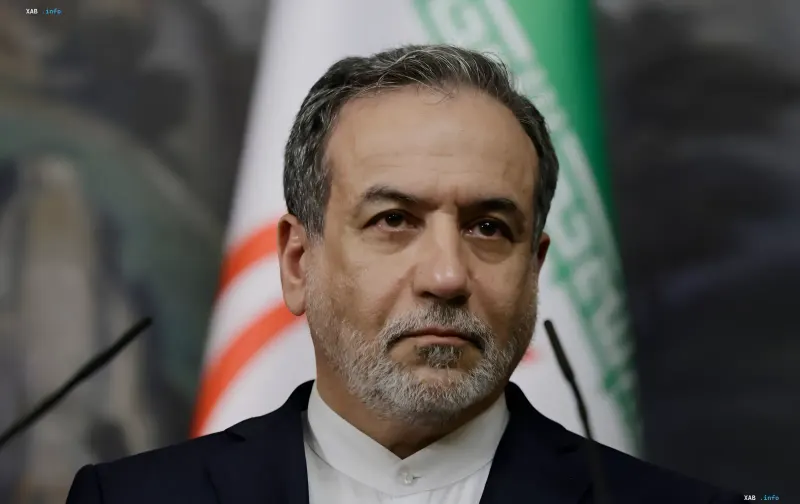
Iranian Foreign Minister Abbas Araqchi, during a series of telephone conversations with counterparts from Turkey, Pakistan, and Saudi Arabia, clearly outlined Tehran's position. The diplomat stated that Iran is preparing a "proportional response" to any military actions by the US, Israel, or regional countries that support such attacks.
It is important to note that the threat extends not only to American interests but also to states that participate in potential strikes. Tehran emphasizes that the cost of escalation will be high for all parties involved in the conflict.
Targets of the strike: from oil fields to gas hubs
Details of the threats came from the outlet Nournews, linked to Iran's main security organs. On Saturday, a source reported that in the event of US attacks on Iranian energy infrastructure, Tehran would launch retaliatory strikes against specific facilities in neighboring countries:
- Oil fields in Saudi Arabia and the United Arab Emirates;
- Gas fields in Qatar;
- Energy facilities in Israel.
Such statements came against the backdrop of rhetoric by US President Donald Trump, who previously stated his readiness to launch new strikes on Iran. The American leader noted that a potential rise in oil prices is an "acceptable price" to prevent Iran from acquiring nuclear weapons.
Reaction of global markets
The escalation of the situation has already been felt in global energy markets. Reuters reports that due to hostilities and mutual threats, key energy supply routes are under attack. Particular concern is raised by the situation in the Strait of Hormuz — a strategically vital artery through which a significant portion of the world's oil supplies passes.
Additional concerns are caused by risks to shipping and the possibility of attacks on facilities in the region. Investors and analysts are closely monitoring the development of events, understanding that any step towards escalation could lead to a sharp spike in energy prices and serious economic disruptions.