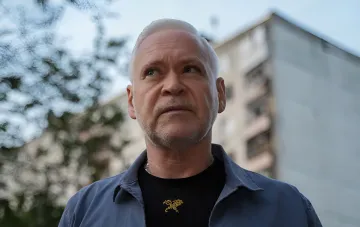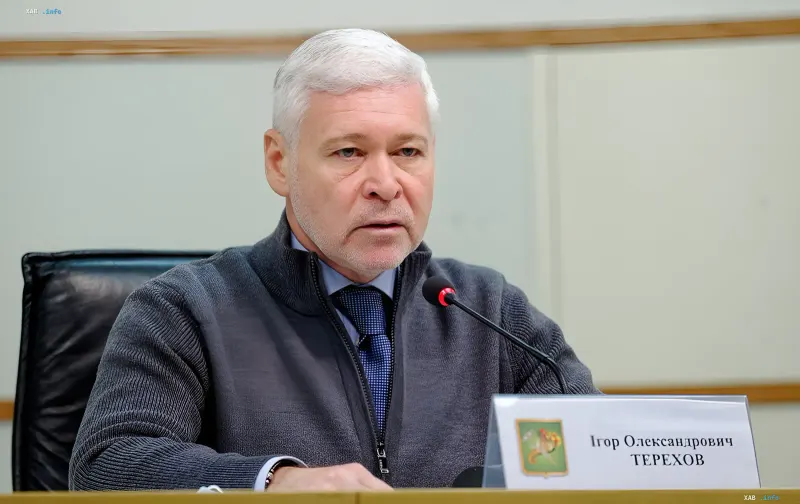
Ihor Terekhov, mayor of Kharkiv and head of the Association of Frontline Cities and Communities of Ukraine, put forward a comprehensive package of proposals aimed at reducing the tax burden on the least well-off segments of the population. Speaking at a Kyiv round table titled "Responding to the Challenge of Poverty: New Initiatives for Social Protection Policy," he stated that the VAT rate on basic food products and medicinal products should be reduced to 5%. In his words, the war "destroys people's well-being year after year, taking away their jobs, incomes, and savings," and the state must act proactively so as not to lose its citizens.
List of goods and the current rate
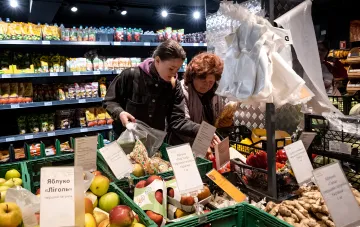
Terekhov specified that the reduction of VAT to 5% would cover essential goods: meat, fish, dairy products, vegetables, fruits, flour, grains, oil, pasta, and bakery products. He separately proposed lowering the existing preferential VAT rate on medicinal products and medical devices from 7% to 5% and expanding the list of goods to which it applies. In addition, the Association of Frontline Cities and Communities has initiated the temporary establishment of a 7% VAT rate on equipment for autonomous and backup power supply for households — a measure that is highly relevant given the regular blackouts.
Fiscal sustainability and anti-corruption control
In response to the question of how the VAT reduction could be implemented without a significant drop in budget revenues, Terekhov emphasized that the state budget under current conditions "is largely going toward defense, toward the Armed Forces of Ukraine." At the same time, he pointed to the need for an audit of existing inefficient programs, strict control over retail markups, and a fight against corruption and misappropriation of funds. "There are many ways today to avoid losing budget revenue. Above all, this is clear control, an audit of those non-viable programs that exist and are funded today. In addition, we need to work to ensure there is no corruption, no misappropriation of funds. And that is the main thing," stated the mayor of Kharkiv. He also underscored that the VAT reduction should benefit citizens in need, not speculators, and called for a "very strict" limitation of retail markups in wartime conditions.
Proposals on incomes and IDP support in the 2027 budget
In the context of preparing the state budget for 2027, the Association of Frontline Cities and Communities has prepared a number of additional initiatives. Among the key ones are raising the minimum wage to at least 10,000 hryvnia and the minimum pension to 6,000 hryvnia. It is also proposed to increase assistance to internally displaced persons (IDPs) to 4,500 hryvnia per person and to guarantee its payment during the first six months after displacement, regardless of family income. A separate provision concerns employment: during the first year after starting work, a person who had not been working for a long time or had been receiving social assistance should have half of their salary excluded when determining the family's right to social support, and the benefits themselves should be phased out gradually.
Contradictory data
No significant discrepancies in figures or wording have been recorded in the provided sources: all outlets unanimously convey Terekhov's position on the 5% rate for basic food products and medicines, the 7% rate for backup power equipment, the minimum wage of at least 10,000 hryvnia, and the pension of at least 6,000 hryvnia. The only difference lies in presentation: the outlet Delo.ua emphasizes the comparison with European practice of low VAT rates on food, whereas RBC-Ukraine and UNIAN focus on the round table context and the anti-corruption caveats. No factual contradictions in figures or dates between the sources have been identified.
Political context of the initiative
Terekhov's speech comes against the backdrop of the preparation of the budgetary process for 2027 and a growing public demand for social protection amid the ongoing military conflict. The Association of Frontline Cities and Communities, headed by the mayor of Kharkiv, positions itself as a platform for consolidating proposals from the territories most affected by hostilities. Previously, as Ukrainian media remind us, the prospects of a "Terekhov party" as a potential political force of all-national scale were discussed, which gives his economic initiatives additional resonance. Nevertheless, as of the time of publication, none of the proposals has yet been included in the draft state budget or passed the approval procedure in the Cabinet of Ministers and the Verkhovna Rada.