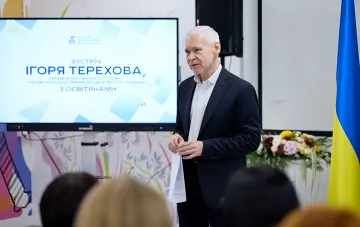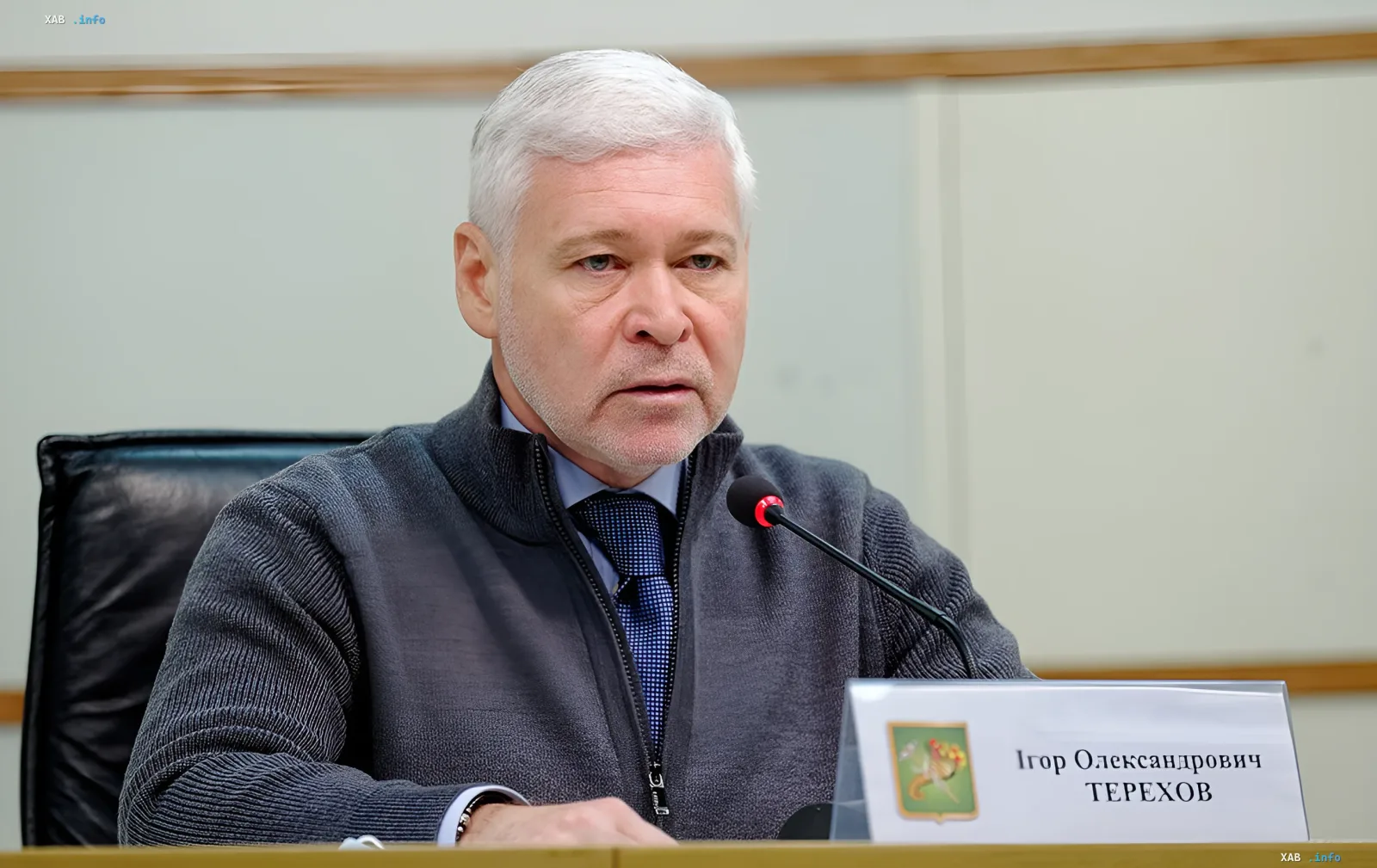
Ihor Terekhov, the mayor of Kharkiv, stated categorically in a public address that it is inadvisable to attract foreign workers to close the labor shortage in Ukraine. In his words, the country does not need "cheap imported labor from abroad," and the demand for specialists can be met through its own workforce or via outsourcing — when qualified employees, for example, from Asia, perform tasks remotely. "I don't want our country to become a country of cheap imported labor," Terekhov emphasized, adding that the migration issue is primarily of a political nature.
Political framing and the Spanish precedent
Commenting on the risks of mass migration, Terekhov cited Spain as an example, where, according to him, the majority of emigrants vote for parties that promote further import of people. "We are shedding blood here, our guys are dying, women are defending the country — for what?" the mayor asked rhetorically, emphasizing that in the conditions of an armed conflict, the issue of demographic and labor policy acquires particular acuteness. He also pointed to the potential formation of ethnic enclaves — "cities within a city" with their own rules and criminal structures, as well as differences in religion, way of life, and culture, which, in his view, could provoke social unrest.
Exception for students and the position on Kharkiv
At the same time, Terekhov clarified that his position does not extend to foreign students: they, in his words, should come and study in Ukraine, as this ensures an inflow of currency into the economy. Separately, the mayor noted that the situation in Kharkiv itself is relatively calm, there are no extremists in the city, and he personally meets with representatives of all confessions. At the same time, in his assessment, among the imported migrants there may be radical elements, which creates additional risks to public safety.
Alignment with the regional authority's position
The mayor of Kharkiv's statement echoes the earlier position voiced by the head of the Kharkiv Regional Military Administration, Oleksiy Synehubov, who also called the attraction of foreign workers premature and inadvisable, insisting that the region should close the shortage with its own workforce and retain students in the region. Thus, at the level of regional and city authorities, a unified rhetorical line has been formed, oriented toward internal personnel policy and limiting the migration inflow.
Economic context: a shortage of 4.5 million workers
At the same time, Ukraine is facing an acute labor crisis, which, according to expert estimates, amounts to approximately 4.5 million workers over the next decade. Experts point out that covering this shortage solely through the return of Ukrainians from abroad is unlikely to be possible. It is in this context that Terekhov's statements rejecting mass migration sound like a political choice that contradicts long-term economic forecasts. The alternative proposed by the mayor — outsourcing and remote work by specialists from other parts of the world — remains conceptual for now and is not underpinned by specific implementation mechanisms.
Contradictory data
In the provided fact-checking sources (rbc.ua and zn.ua), the factual information on the content of Terekhov's statement fully coincides: both outlets convey the same quotes and arguments. The differences concern only the emphasis in presentation: RBC focuses on the risks of "ethnic enclaves and criminality," while zn.ua emphasizes the proposal to change labor policy and the phrase "don't show Ukrainians that a replacement is being sought for them." At the same time, the figure of 4.5 million workers, mentioned in the economic context, is given as an expert estimate without specifying a particular source or methodology, which makes it approximate. The mayor's political position and the data on the labor shortage do not contradict each other at the factual level, however, they form a significant contradiction at the strategic level: the hardline anti-migration rhetoric is not accompanied by a proposal of specific tools capable of closing the multi-million workforce shortage amid the ongoing conflict.