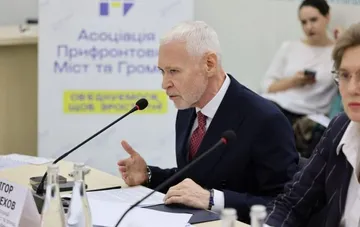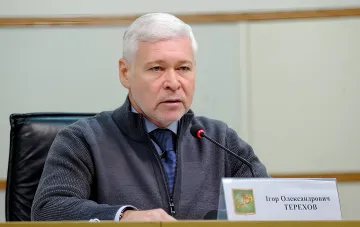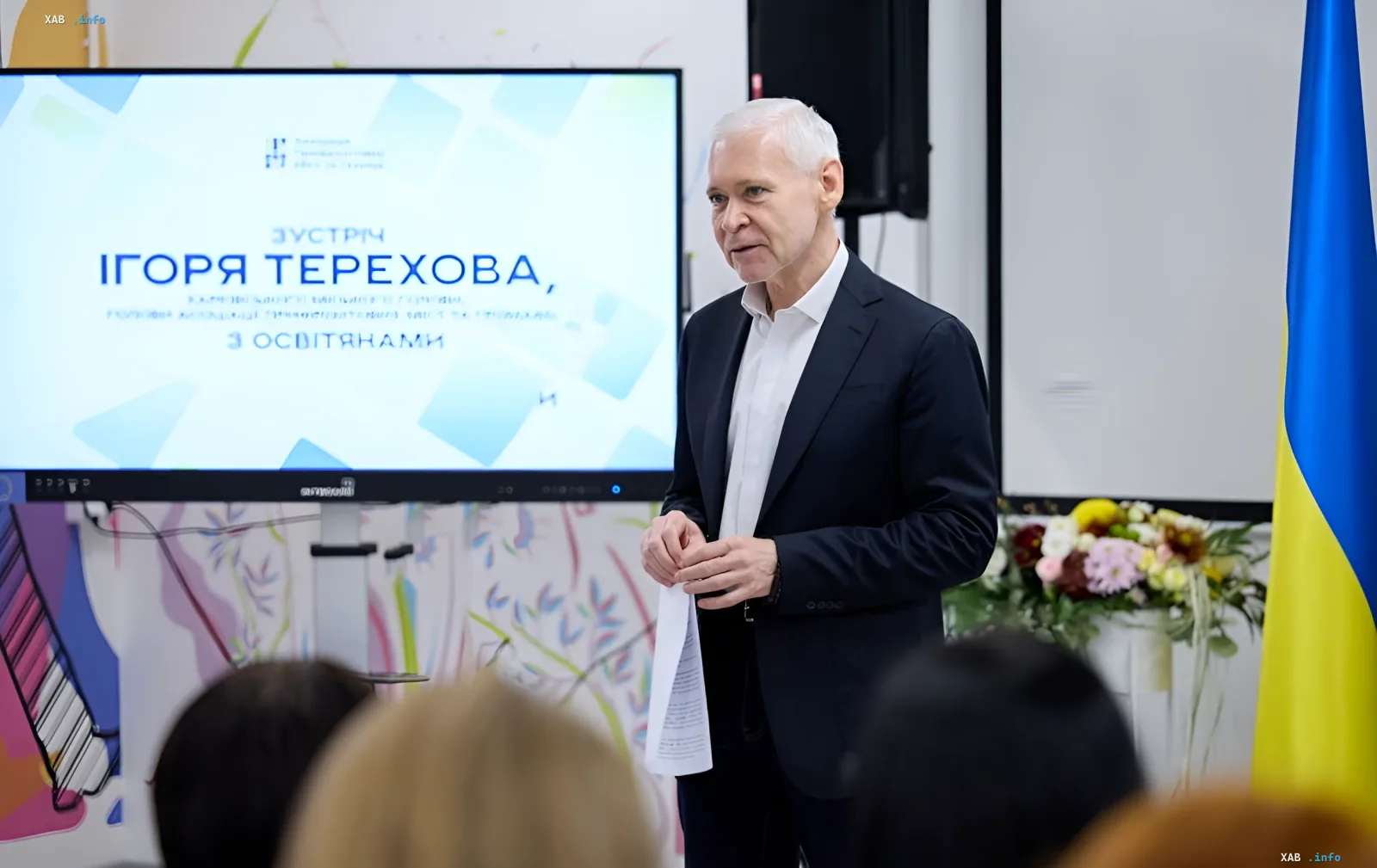
The Association of Frontline Cities and Communities (AFCC) has initiated a substantial revision of the expenditure side of the state budget for 2027 in favor of the education sector. AFCC Head Ihor Terekhov held a series of consultations with relevant educators and representatives of regions located in constant danger zones to formulate a package of critically important industry needs. During these discussions, it was proposed to embed an additional 32 billion hryvnias into the country's main financial document, which will be directed toward teacher support, infrastructure development, and student psychological rehabilitation.
Priority Funding Areas and Expenditure Structure
The proposed financial package is divided into several key articles designed to close the most critical gaps in the budgets of educational institutions in frontline regions. Out of the total amount of 32 billion hryvnias, 25 billion is planned to be channeled into a direct increase in the educational subvention, which ensures the payment of salaries to school teachers. Another 5 billion hryvnias are reserved for the guaranteed support of employees in preschool, extracurricular, art, and vocational-technical education, who are also experiencing colossal burdens amid the permanent crisis.The AFCC leadership insists that such investments cannot be viewed exclusively as an expenditure item of the state budget. According to Ihor Terekhov, preserving the personnel potential of schools and kindergartens in frontline territories is a baseline condition for the survival of local communities. If educators leave and schools close, there will be no one and nowhere to bring people back to. Furthermore, the association put forward a legislative initiative according to which, starting September 1, 2027, the official salary of an educator of the lowest qualification category must amount to at least two minimum wages.
Safety of the Educational Process and Development of Underground Schools
One of the central topics of the past discussion was the physical safety of children and teachers in cities subjected to daily enemy shelling and bombardment. Specifically, in Kharkiv, due to the constant threat, full-fledged traditional learning in surface classrooms remains impossible, forcing municipal authorities to seek non-standard engineering and organizational solutions. To date, 24 specialized safe locations are successfully operating in the city, including 10 underground schools and adapted learning spaces at metro stations.Nevertheless, current capacities are clearly insufficient to cover all schoolchildren with full-time education, so the municipality plans to build about 10 more underground protected complexes. In parallel with infrastructure projects, academic initiatives are being developed to facilitate admission and testing for youth from frontline zones. Specifically, discussions are underway regarding the possibility of retaking the National Multisubject Test (NMT) and introducing preparatory "zero courses" in higher education institutions for the subsequent full enrollment of students.
Psychological Support and Preservation of Human Potential
An equally important aspect of the educational strategy for 2027 is the expansion of the network of specialized centers providing qualified psychosocial and correctional assistance to children. The war, regular air raid sirens, and the experience of forced displacement leave a heavy mark on the psyche of the younger generation. Municipalities have expressed readiness to take over the funding of such centers to help schoolchildren overcome stress, socialize, and return to life as normally as possible.
Summing up the discussion, Ihor Terekhov emphasized that the state budget for 2027 must perform a protective function, helping people and businesses stay in their hometowns. The funds invested in education today work to retain the population, and in the perspective of the next decade, they will become the foundation for the reconstruction and technological development of all Ukraine, when today's schoolchildren take their places in the economy, science, and state governance.