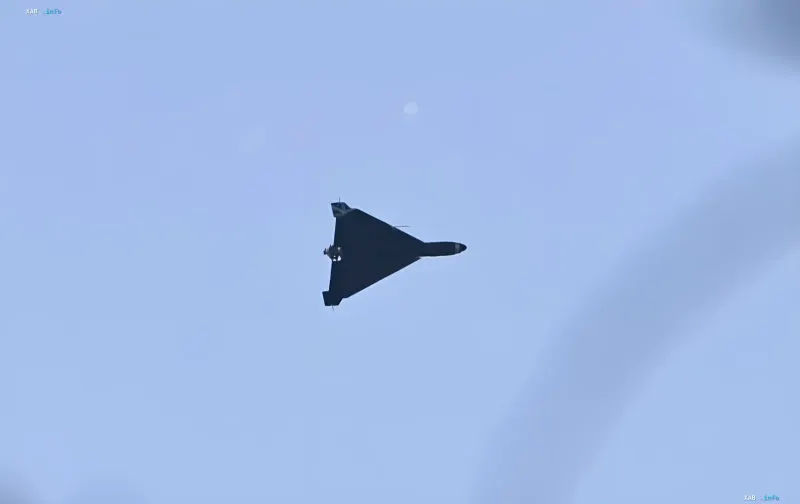
On the morning of September 29, 2026, residents of Ternopil heard a series of loud explosions. The regional center was subjected to an air attack using a jet-powered unmanned aerial vehicle. The incident caused serious concern among the local population, who promptly responded to air raid sirens.
Timeline of the Air Raid Alert
The Air Force of the Armed Forces of Ukraine were the first to report the approaching aerial target. Monitoring channels and military personnel recorded the movement of an enemy jet drone south of Horodok in the Khmelnytskyi region, from where the device headed toward the Ternopil region. Head of the Ternopil Regional Military Administration Taras Pastukh officially confirmed information about the jet drone moving toward the regional center and urged citizens to immediately proceed to shelters.
Scale of Night and Morning Attacks Across Ukrainian Regions
The morning attack on Ternopil was part of large-scale airstrikes across Ukraine. On the night of September 29, Russian forces launched about 10 strikes on the Zhytomyr region, affecting transport and fuel infrastructure, as well as civilian facilities in Zhytomyr, Korosten, Zviahel, and Ovruch. According to preliminary data from local authorities, there were no casualties. Simultaneously, Odesa and the Odesa region came under massive shelling, resulting in eight injuries, damage to civilian enterprises, port infrastructure, a lyceum, and an animal shelter.
Contradictory Data
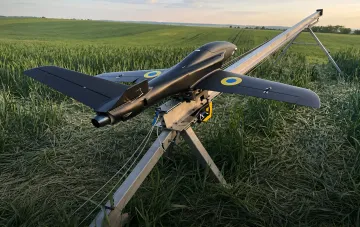
While official sources record the use of jet drones by the adversary against western regions of Ukraine, the expert community and open sources are actively discussing the technical characteristics and classification of such UAVs. Some analysts point to the similarity of the deployed devices with advanced jet strike platforms, while other experts draw attention to the parallel development of Ukrainian innovations in jet interceptor drones officially entering service with the Armed Forces of Ukraine. Discrepancies concern estimates of flight range and the speed of such objects under active electronic warfare counteraction.
Consequences and Expert Assessment
The jet drone attack on Ternopil demonstrates the ongoing evolution of aerial attack weapons and the increasing complexity of tasks for air defense forces. The use of jet engines in drones significantly reduces the time available for detection and interception, requiring warning and civil defense systems to maintain maximum efficiency. Local authorities continue to assess the consequences of the morning incident in the regional center, urging residents to strictly follow safety rules during air raid alerts.