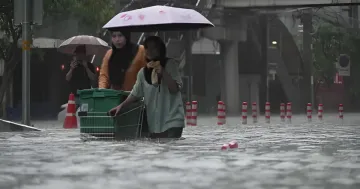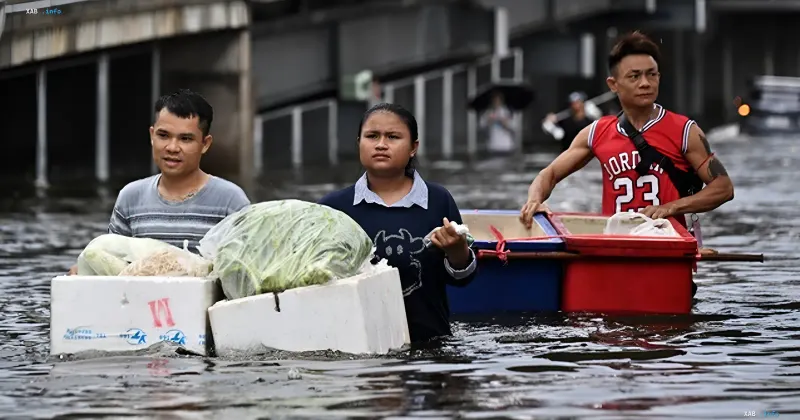
A large-scale natural disaster that gripped Thailand between September 16 and September 28, 2026, has led to severe socio-economic consequences. According to official data, the devastating floods affected over 580,000 households in 40 provinces across the country. The tragic events claimed the lives of at least 8 people, forcing the government to intensify rescue operations and revise recovery plans.
Economic Impact and Expert Forecasts
The Thai Ministry of Economy reports that the initial assessment of material damage is approximately 11 billion baht, equivalent to 320 million US dollars. This figure is expected to rise as infrastructure assessments conclude in the hardest-hit regions. Experts forecast a 0.3 percentage point reduction in the country's annual GDP growth, capping final growth at 2.1%.
Situation in Bangkok and Regions
. The capital city, Bangkok, was at the epicenter of the elements. According to preliminary analyst calculations, damages for the metropolis alone are estimated at 7 billion baht. Despite a decrease in rainfall intensity by September 28, many parts of the city remain flooded. The state of the retail sector and local business, which are sustaining the heaviest losses under current conditions, is a matter of particular concern.Conflicting Data
While official sources agree on a total damage estimate of 11 billion baht, there are discrepancies regarding the long-term impact on the industrial sector. Some independent analysts believe that damage to agriculture and supply chains may be underestimated in current reports, as a full assessment will only be possible once the water recedes completely. The death toll of 8 people may also be revised as remote areas are surveyed.
. The Thai government is taking emergency measures to restore infrastructure and provide financial aid to affected families. The situation remains extremely tense, and official agencies continue daily monitoring of water levels, urging the population to follow safety guidelines until the situation is fully normalized.