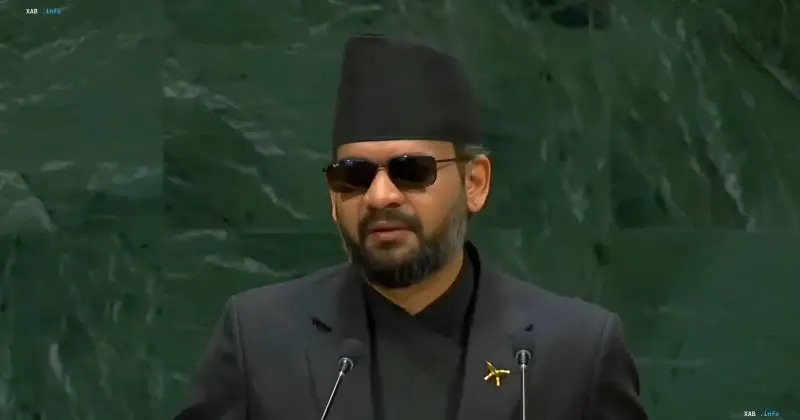
The Prime Minister of Nepal has appealed to the international community for a massive injection of grant-based assistance to help the country recover from catastrophic flash floods triggered by a glacial collapse. Speaking at the United Nations General Assembly in New York, the nation's leadership emphasized the devastating scale of destruction caused by the natural disaster. According to expert and governmental assessments, the total amount required for the comprehensive restoration of the state's infrastructure and economy reaches 5 billion US dollars, which is approximately 10 percent of the country's gross domestic product.
Scale of the Tragedy and the Climate Crisis
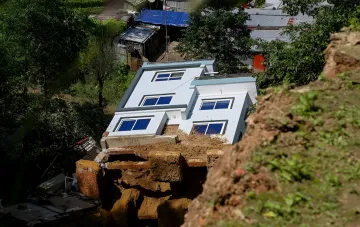
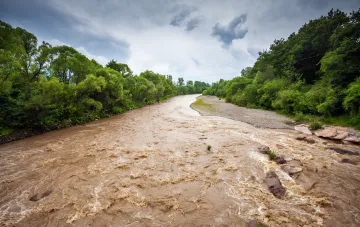
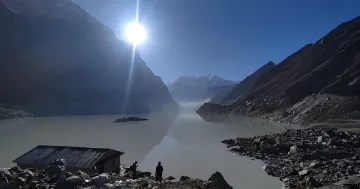
The tragedy unfolded in the mountainous regions of the country in late August 2026, when a massive glacial collapse near the border with China's Tibet Autonomous Region triggered catastrophic landslides and violent flash floods down river valleys. The disaster swept away roads, bridges, schools, and homes, leaving thousands of families destitute. To date, at least 1,450 deaths have been confirmed, while the fate of more than 6,000 citizens remains unknown, and search and rescue operations continue in hard-to-reach areas.
Contradictory Data
During the coverage of the disaster in international and regional media, certain discrepancies emerged regarding financial needs and specific details of the incident. Some sources report an immediate need of 5 billion dollars for relief efforts, while the World Bank quickly allocated an emergency financial support package of up to 170 million dollars. Additionally, officials at the UN General Assembly highlighted the unacceptability of increasing the debt burden of vulnerable nations, stressing that climate disaster mitigation must be carried out through grants rather than new loans, sparking discussions among international financial institutions.
Call for Transboundary Cooperation
In his speech, the Prime Minister also stressed the urgent need to unite the efforts of Nepal, India, and China in combating climate change. It was proposed to create a specialized regional mechanism in the Himalayas that would provide real-time satellite data sharing, continuous monitoring of glacial lakes, and improved early warning systems. According to Nepal's leadership, only joint transboundary actions can prevent similar large-scale disasters in the future and protect the region's fragile ecosystem.