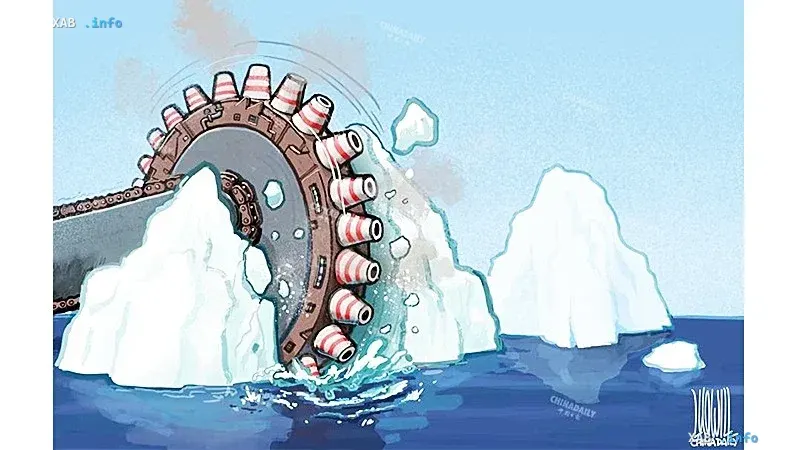
Ahead of and during the opening days of the 17th Conference of the Parties to the Convention on Biological Diversity (COP17), taking place in Yerevan, Armenia, from October 19 to 30, 2026, UN Secretary-General António Guterres urged governments to end fossil fuel subsidies. According to him, such incentives remain a key driver fueling global warming and the destruction of biodiversity. Speaking to leaders at a recent climate event, the UN chief stated that states, particularly developed nations, are still "investing in the wrong things," directing significant funds to support fossil fuel exploitation.
'Fossil Fuel Subsidies Are Suicide'
Guterres did not mince words: calling fossil fuel subsidies "suicide," he urged governments worldwide to completely phase out these payments and redirect resources toward clean energy—"for the good of humanity and the planet." This call comes against the backdrop of negligible progress since commitments were made in 2022 to cut public spending on environmentally damaging activities, including mining, fossil fuels, and intensive agriculture.
A 30-Fold Gap: What UN Statistics Show
The scale of the problem is illustrated by figures provided by the UN: countries spend approximately $2.6 trillion on environmentally degrading activities, whereas the amount allocated for nature protection or restoration is 30 times smaller. It is this imbalance, according to the Secretary-General, that makes fulfilling collective commitments impossible and turns continued investments in fossil fuels into "an investment contradicting humanity's collective efforts" amid the escalating need to combat climate change.
COP17 in Yerevan: Financing at the Top of the Agenda
In Yerevan, representatives from nearly 200 countries have gathered from October 19 to 30, 2026, to conduct UN biodiversity negotiations. At the center of the discussion is the issue of insufficient financing for conservation measures. The context for the debate was a report published by Guterres on October 15, indicating that the world has deviated from its path toward achieving the 2030 biodiversity targets enshrined in the Kunming-Montreal Global Biodiversity Framework adopted in December 2022.
Renewable Energy Records and Their Limits
At the same time, there is positive momentum: the world is setting records in renewable energy usage. According to the International Renewable Energy Agency (IRENA), global renewable power generation capacity will peak in 2025. However, as noted by David Waskow, Director of the International Climate Initiative at the World Resources Institute (WRI), the growth of renewables is still insufficient to cut fossil fuel use, as global energy demand continues to rise, partly due to the impacts of conflicts. Thus, even with record-breaking green generation figures, the dependence on fossil fuels remains, which is why the UN call to eliminate subsidies takes on particular urgency on the margins of COP17.