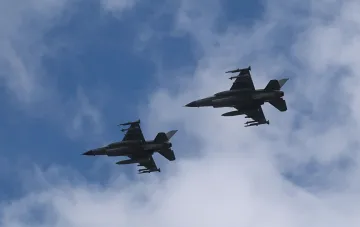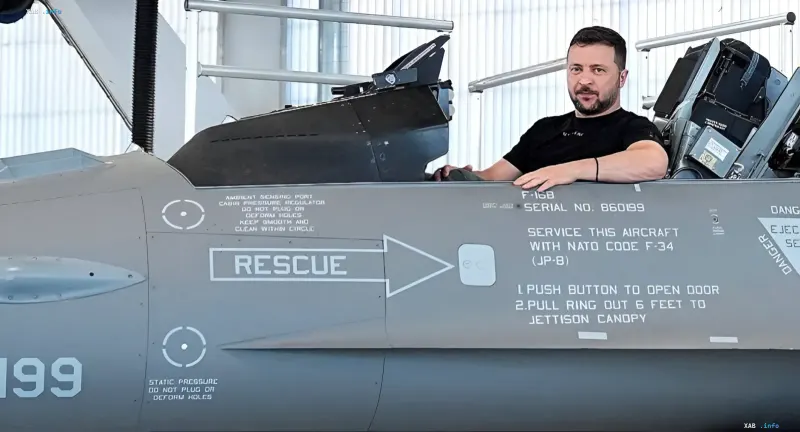
American-made F-16 multirole fighters, which have become a crucial component of Ukraine's air defense shield, are facing a critical threat stemming from rear-area logistics and maintenance within NATO nations. According to an extensive investigation by The Wall Street Journal published on September 30, 2026, severe maintenance delays in Belgium have left more than half of the transferred aircraft fleet in a non-operational status.
The Technical Protocol and Logistical Challenges
The F-16 is a high-tech aircraft that requires strict adherence to maintenance schedules. Every 300 hours of combat flight time, an aircraft must undergo a deep phase inspection of its engines, avionics, hydraulics, and fuel systems. Under the intense operational conditions of the conflict, this flight-hour limit is reached rapidly. For maintenance, the jets are sent to Belgium under a $235.5 million Pentagon contract with Sabena Engineering. However, while such procedures take two to six weeks in the United States, logistics and personnel shortages in Belgium stretch the process up to 40 weeks.
Military Context and Aviation Efficiency
This situation unfolds against the backdrop of the high operational effectiveness of Ukrainian F-16 pilots who continue to defend critical infrastructure. Official data indicates that the limited fleet faces heavy strain. The prolonged downtime of combat aircraft in European hangars creates additional operational challenges for the remaining operational crews and demands urgent intervention from coalition leadership.
Response Measures and Solutions
To bridge the gap in combat-ready airframes, allies are taking emergency steps, including agreements for additional fighter jets to be transferred by Belgium. At the same time, military experts emphasize that the long-term solution requires establishing maintenance hubs closer to Ukraine or expanding facilities in Romania to reduce logistical turnaround times and avoid extended downtime in Europe.