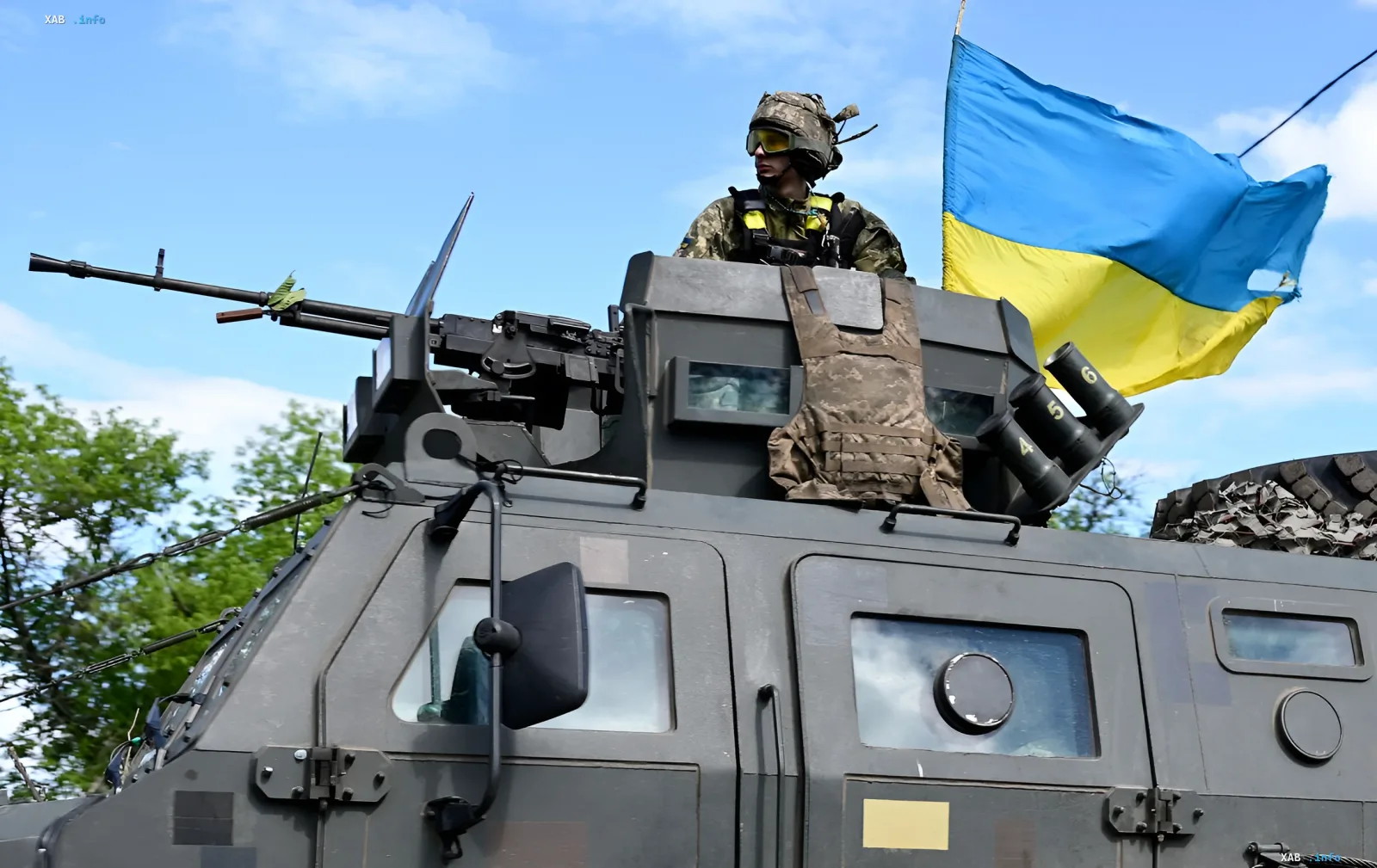
Modern warfare is rewriting the rules of survival on the battlefield. The era when heavy armored vehicles were an invincible shield is fading into the past. The widespread use of cheap drones has turned cumbersome tanks and armored personnel carriers (APCs) into expensive and vulnerable targets. In response, Ukrainian military forces and developers are changing their strategy, betting on ground robotic complexes (GRCs).
From Logistics to Saving Lives
Until recently, robots on the front lines were perceived more as auxiliary tools for cargo delivery. However, as industry representatives note in an RBK-Ukraine article, the scope of their tasks has expanded radically. Today, GRCs take on functions that were previously performed by people in body armor or armored vehicle crews.
Oleg Fedoryshyn from the company DevDroid emphasizes that the use of robotic platforms has become critically important for performing tasks associated with high risk:
- Evacuation of wounded soldiers from the battlefield.
- Delivery of ammunition and humanitarian cargo.
- Reconnaissance and surveillance.
The Paradox of Dimensions: Why Large Machines Are Dangerous
It might seem that a spacious vehicle is needed for transporting cargo. However, on the front line, dimensions become a curse. Fedoryshyn explains that even for logistics, they try not to use overly large GRCs. Large machines inevitably attract the enemy's attention. The enemy can track the robot's route to reveal the locations of units or ammunition loading points.
The situation with the evacuation of the wounded remains one of the most difficult. Armored vehicles, of course, are capable of quickly driving to a position and picking up a soldier, but under conditions of total dominance of FPV drones in the air, such a maneuver often becomes deadly. Therefore, this task is increasingly entrusted to less noticeable robotic platforms.
The Economics of War: The Cost of Loss
The main difference between classic armored vehicles and robots lies not in their invulnerability, but in the cost of error. As Oleg Fedoryshyn notes, the question is how many resources the enemy will spend to destroy the equipment and what the cost of this loss will be for the defending side.
The loss of a tank or APC is a colossal financial loss and the loss of a trained crew. The loss of a robot, even if it is expensive, does not carry such catastrophic consequences. This allows the war to be fought while minimizing losses of personnel and expensive equipment.
Distribution of Roles, Not Replacement
Taras Ostapchuk from the company Ratel clarifies that the issue is not about the complete displacement of classic armor, but about the competent distribution of roles. GRCs have an indisputable advantage in the most dangerous areas, where the risk of being hit is maximal. Their main value is preserving the lives of Ukrainian soldiers and performing tasks without direct risk to people.
Ukrainian developers are actively working on creating new models. A bright example is the "Pegasus" GRC, capable of overcoming the most difficult terrain and swamps, where ordinary equipment might get stuck or become an easy target. The robotization of the front is not just a technological trend, but a necessity dictated by the harsh reality of modern warfare.