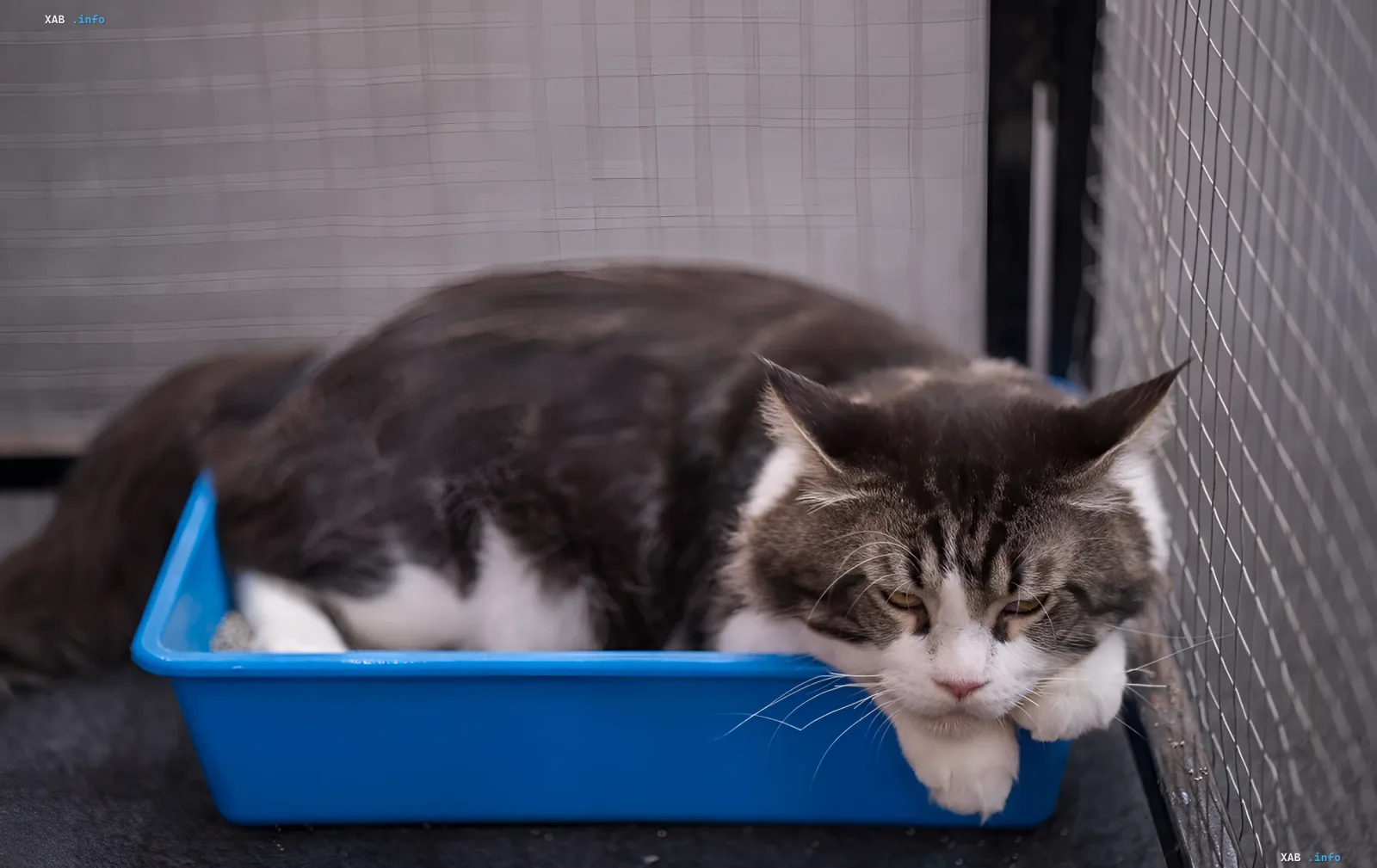
Cat owners often spend significant amounts on premium food, toys, and accessories, striving to provide their pets with a comfortable life. However, even with perfect care, many owners face one of the most unpleasant problems: the cat refuses to use the litter box or uses inappropriate places. According to experts, the cause often lies not in the animal's laziness, but in fundamental errors in organizing its personal space.
Famous animal behaviorist and host of the show "My Cat from Hell," Jackson Galaxy, shared key principles, the observance of which guarantees harmony in the home. As reported by Styler citing Daily Express, the main mistake owners make is the incorrect calculation of the number of litter boxes and their poor placement.
The Golden Rule: The N+1 Formula
Jackson Galaxy emphasizes that to create a comfortable environment, a simple mathematical rule must be followed: the number of litter boxes should equal the number of cats plus one. That is, if there is one cat in the house, it needs one box, but for psychological comfort and as a backup, it is better to have two. If there are two cats, there should be three boxes, and so on.
The expert explains this by noting that cats are territorial animals. For them, a litter box is not just a place for physiological needs, but an important element of their personal territory. The presence of an "extra" box reduces stress and competition levels, especially in multi-cat households.
Placement Error: Why You Can't Put Litter Boxes Next to Each Other
The second common mistake owners make is placing all litter boxes in one place. Galaxy warns that putting several boxes in a row in one room is a bad idea. In the eyes of a cat, this is perceived as one big toilet, not as several separate zones.
To properly distribute the toilets, they must be placed in different parts of the house. This allows the animals to feel safe, as they always have an alternative exit if one location becomes inaccessible or "blocked" by another cat.
The Psychology of the Cat's Toilet
The specialist calls litter boxes "kings of odor absorption." For a cat, the smell of the box is a marker of its presence and control over the territory. Galaxy draws an interesting analogy: when a cat walks past its litter box, it is similar to a person walking past a shelf with family photos and feeling proud.
Therefore, when choosing a place for the toilet, one should think first about where the cat will be comfortable, not about how best to hide the box from the eyes of guests. A box hidden in a dark corner or an inaccessible place can cause the animal to feel vulnerable.
Technologies and Alternatives
The modern market offers many solutions to simplify litter box maintenance. For example, an overview of "10 Best Smart Litter Boxes for Cats" was published on mygadget.ru, where automatic systems that clean up waste themselves are discussed. Such devices can be useful for maintaining cleanliness; however, according to experts, they do not negate the need to follow placement and quantity rules.
Veterinarians also note that location choice is critical. In an article on tsn.ua, a veterinarian named the most unsuitable places for a litter box, including areas near food bowls, noisy hallways, and high-traffic areas. Adhering to these recommendations will help avoid behavioral problems with the pet.