Amid a protracted conflict that entered a phase of positional warfare and information struggle in 2026, Moscow is preparing a new wave of disinformation. According to authoritative sources, the Russian leadership is initiating a massive information campaign aimed at creating a false impression among Western audiences regarding the humane treatment of Ukrainian prisoners of war. The Kremlin's strategy relies on classic propaganda methods: visual deception and the substitution of concepts.
The 'Humanity' Scenario: Relocating Prisoners for Filming
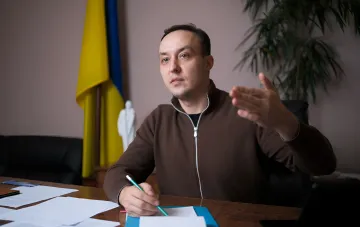
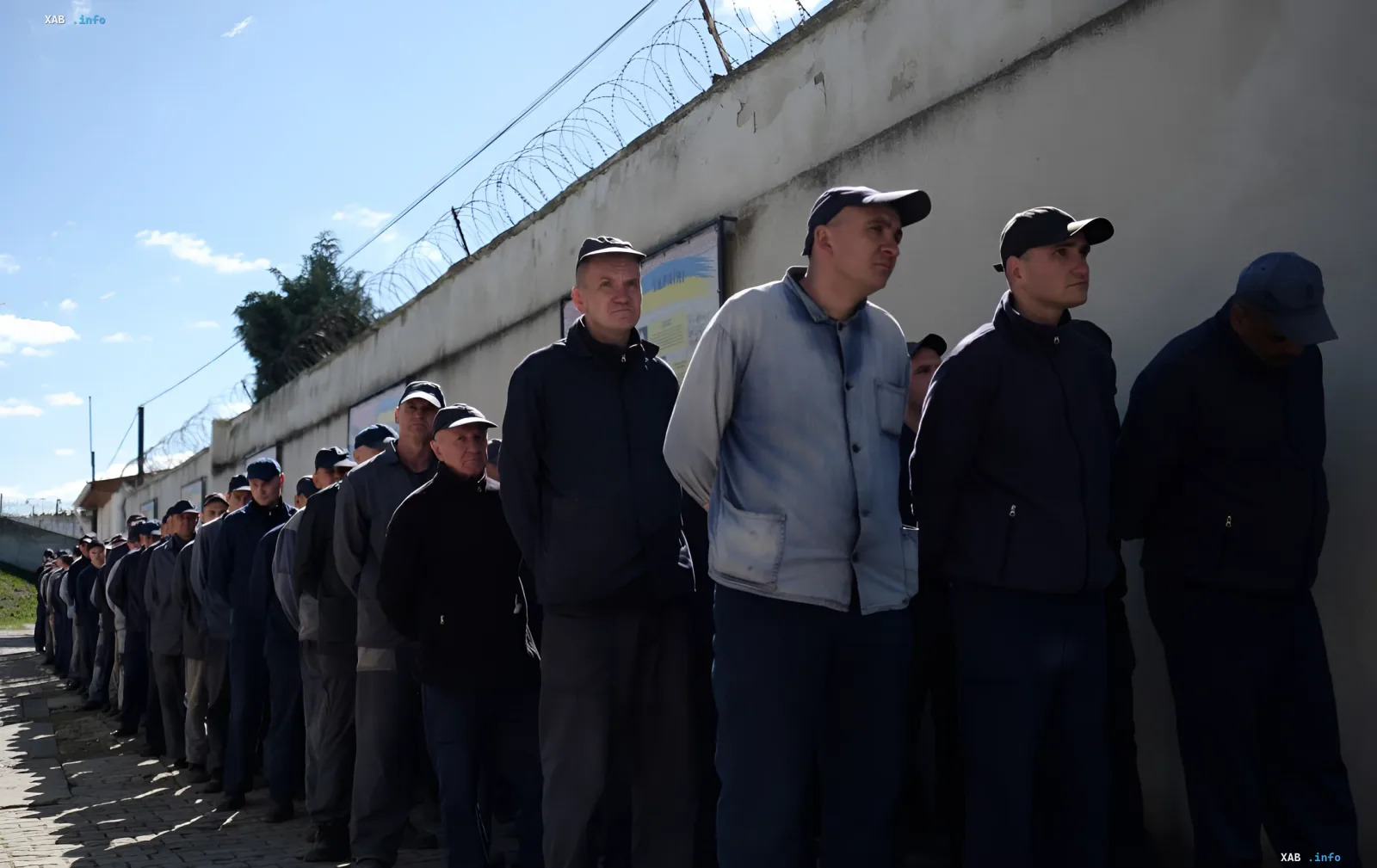
Andriy Kovalenko, head of the Center for Countering Disinformation (CCD), revealed details of the upcoming operation. According to him, Russia has allocated special resources to organize media events designed to show Ukrainians in 'comfortable' conditions. The essence of the plan is that Ukrainian prisoners of war, who are currently in real, often harsh conditions, will be specifically relocated to prepared locations or have their living conditions improved solely for the duration of propaganda footage filming.
The goal of this campaign is to foster a belief among the public of Ukraine's partner countries (USA, EU) that Russia complies with international conventions on the treatment of prisoners better than Kyiv. This is an attempt to discredit the Ukrainian side on the international stage and weaken the moral support provided to the Armed Forces of Ukraine.
Tools of Lies: Returned Prisoners as 'Living Proof'
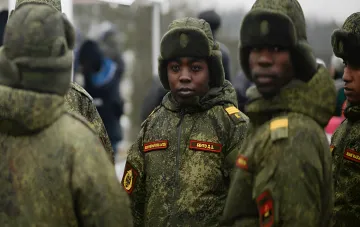
In addition to staged filming, the arsenal of Russian propaganda will include the human factor. Moscow plans to use Russian military personnel who have returned from Ukrainian captivity. These individuals will likely be subjected to pressure or persuaded to spread false narratives about allegedly improper detention conditions in Ukraine.
Kovalenko emphasizes that 'propaganda and lies remain the main tools in war and discreditation.' Despite Ukraine repeatedly demonstrating the real conditions of detention for Russian prisoners of war — including food, living conditions, and medical care — Moscow plans to ignore these facts and continue to distort the real picture by creating its own fictional world.
The Paradox of War: Russian Soldiers Taken Captive Again
While Russia prepares fake stories, the reality on the front lines tells a different story. The Coordination Headquarters for Prisoner Exchange issues alarming statistics for the Kremlin: Russian military personnel who have returned to the ranks after exchange are increasingly surrendering to Ukrainian captivity again.
As of the end of July 2026, the number of such cases reached 20. The headquarters notes that some of them consciously choose captivity over returning to combat operations. Each such serviceman replenishes Ukraine's exchange fund, which is critically important for bringing our defenders home. This indicates that the real motivation of Russian soldiers and their service conditions may be far from what Russian propaganda attempts to portray.
Contradictory Data
There is a clear gap between the narrative Russia is trying to implant and the facts recorded by independent observers and Ukrainian authorities. On the one hand, Moscow claims 'humane treatment' and prepares 'evidence' in the form of staged videos. On the other hand, real data on the mass repeated surrender of Russian soldiers to captivity points to systemic problems in the Russian army that cannot be hidden even by the most expensive productions. Ukraine, in turn, continues to adhere to an open policy, demonstrating real detention conditions, which creates a fundamental contradiction with the closed and falsified Russian model.