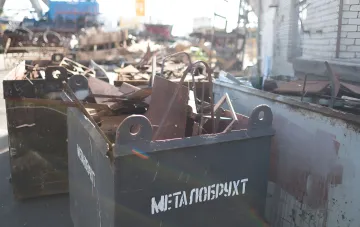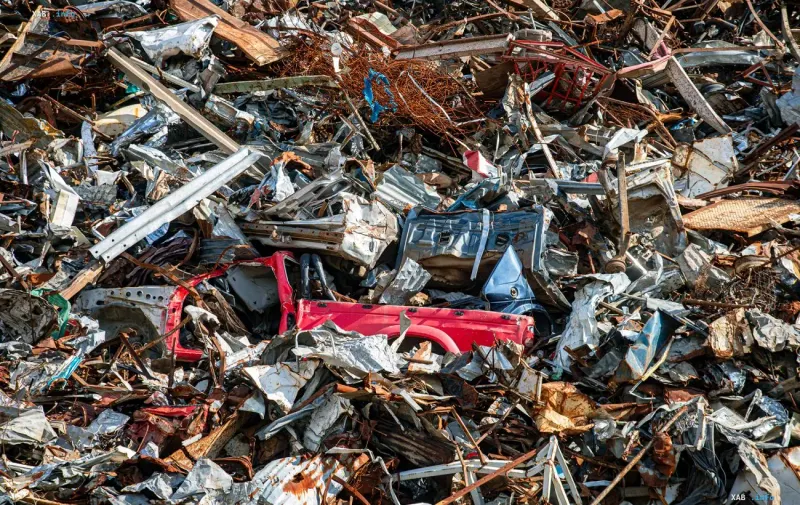
Attempts by scrap collection representatives to achieve the cancellation of the zero quota on scrap metal exports contradict Ukraine's national economic interests. Amid the ongoing war, staff shortages, and infrastructure destruction, the country's steel industry is operating at its limit, and lifting the ban on exporting strategic raw materials could finally undermine its recovery.
State of Ukrainian Metallurgy Amid the War
Ukraine's steel sector operates in unprecedentedly difficult conditions. Against the backdrop of the blockade of sea ports by the Russian military, regular power supply interruptions, and the physical destruction of production facilities as a result of missile strikes, scrap collectors insist on lifting the government ban. The main argument of those in favor of exporting raw materials is the claim that there is allegedly no one left to buy scrap in Ukraine due to the temporary suspension of certain units at major integrated plants.
However, GMK Center analysts refute these statements, pointing to the stable operation of the foundry industry. According to Ukrmetalurgprom statistics, 131,000 tons of liquid steel were produced in the country in September 2026, confirming internal demand. In addition, scrap procurement volumes are significantly declining due to military force majeure, while seasonal weather deterioration in autumn and winter and intensified mobilization will further exacerbate the deficit.
Export Schemes Through the EU and Budget Losses
Experts pay special attention to the manipulative nature of arguments regarding the profitability of supplying raw materials to the European market. Before the introduction of the zero quota, Ukrainian scrap metal was unhinderedly sent to Poland, from where it was re-registered and shipped to final consumers in Turkey. Such a scheme allowed traders to bypass the 180 euro per ton export duty when shipping directly to Turkish ports due to preferences in the trade agreement with the European Union.
The financial difference between exporting raw materials and finished products is colossal for the state budget. Foreign shipments of unprocessed scrap bring only 50–100 hryvnias per ton to the treasury, while exports of finished steel smelted domestically provide from 13,000 to 15,000 hryvnias per ton. Such a disproportion makes raw material exports economically disadvantageous for the state, which needs maximum support for budget-forming sectors.
International Experience and Strategic Importance of the Ban
The practice of restricting or completely banning the export of steel scrap is actively used globally to protect national economies and promote decarbonization. In particular, at the end of September, the European Commission updated the EU Waste Shipment Regulation to protect its own strategic raw materials from uncontrolled outflow to other regions. Such measures allow keeping key resources within the country and supplying domestic processing.
Maintaining the zero quota on scrap metal exports is viewed by experts as a strategically necessary step to protect Ukrainian industry during the armed conflict. Any compromise solutions regarding opening exports must be accompanied by strict safeguards guaranteeing the protection of domestic market interests and fair tax revenues to the state budget.