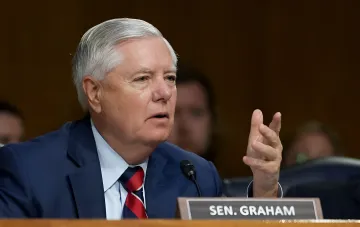
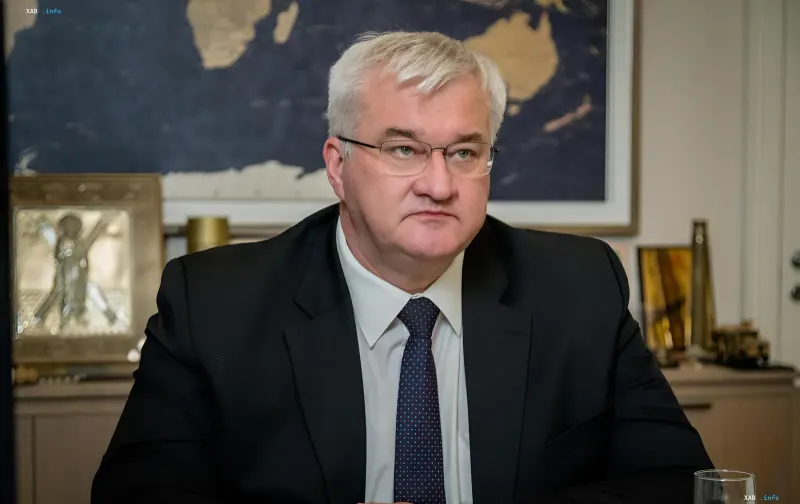
The Head of the Ukrainian Ministry of Foreign Affairs, Andriy Sybiga, has warned of a probable attempt by Russia to sabotage the adoption in the United States of a massive package of restrictive measures. In his statement, the Foreign Minister noted that Moscow might use "fake diplomacy" and rhetoric about peace to derail the vote on the bill promoted by the late Senator Lindsey Graham.
Tactics to Buy Time
Sybiga drew attention to a consistent pattern in recent years: whenever new large-scale sanctions loom, especially from Washington, Vladimir Putin resorts to manipulation to buy time. According to the Ukrainian diplomat, the Russian leader's arsenal includes staged phone calls and bad-faith meetings.
"Russia may try to sabotage it by pretending to care about peace," Sybiga wrote on the social network X. He emphasized that tightening sanctions pressure on Moscow is a vital condition for countering Russian terror and achieving a real end to the war.
Evolution of Graham's Bill
Initially, the "hellish sanctions" package proposed the introduction of secondary tariffs of 500% against countries continuing to purchase Russian energy carriers. However, following Senator Graham's death, the document underwent changes. In the current version, the tariff rate has been reduced to 100%, and US President Donald Trump receives the authority to independently impose or lift sanctions.
At present, the bill has 60 co-sponsors. The vote is expected to take place next week, possibly on July 28 — the day of Lindsey Graham's funeral. However, according to The New York Times, the adoption of the package may be delayed. The reason for the delay is the resistance of Democrats, who oppose the provision granting the US President excessive powers regarding sanctions policy.
Vigilance as a Priority
Andriy Sybiga called for vigilance ahead of the key vote. In his opinion, Russia's attempt to present itself as a proponent of peace is merely a tool to derail real action against the aggressor. The success of Graham's bill, despite internal disagreements in Congress, could become a turning point in Western sanctions policy.