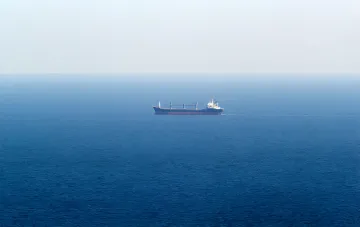
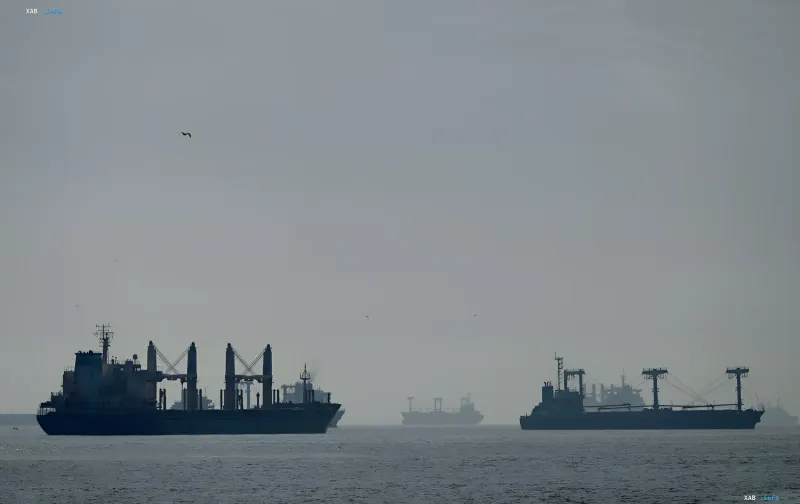
A drone strike on two merchant vessels in the immediate vicinity of Bulgaria's territorial waters marks a dangerous escalation of conflict in the Black Sea region. The incident, recorded on October 6, 2026, approximately 70-80 nautical miles east of the Bulgarian coast, clearly demonstrated that risks to civilian shipping are no longer confined to Ukrainian export corridors. The vessels targeted were engaged in purely peaceful commercial voyages between third-country ports within the exclusive economic zone of a NATO member state.
Chronology of the Attack and the Fates of Crews
According to Bulgarian authorities and local media, cargo ships ALFA WATAN and ABLE were attacked at around 03:00 AM. The dry cargo ship ALFA WATAN, en route from the Egyptian port of Al-Arish to Sulina in Romania, suffered critical damage and sank. Bulgarian rescue services immediately launched a large-scale search operation, though the fate of the crew members remains unconfirmed at the time of writing. The second vessel, ABLE, caught fire as a result of the drone hit, but arriving services managed to evacuate the 18-person crew, consisting primarily of Turkish and Indian nationals, though some sailors sustained injuries of varying severity.
Official Reaction and Emergency Security Council Convening
Bulgarian Prime Minister Rosen Radev promptly responded to the emergency by convening an urgent meeting with the leadership of security agencies, the ministries of defense, interior, and transport. The Bulgarian leader characterized the event as an entirely unacceptable act and a direct flagrant violation of international maritime law. Radev emphasized that such incidents pose a direct threat to the safety of peaceful civilians, and can also provoke a massive spike in insurance rates and destabilize the entire logistics system in the Black Sea basin.
Contradictory Data
While Ukrainian and Western sources emphasize the systemic Russian threat to international trade and the expansion of the combat zone to the western Black Sea, Russian officials and pro-government media refrain from directly confirming the strike on these specific vessels or put forward alternative versions regarding alleged provocations. Furthermore, against the backdrop of the incident in Bulgaria, a discussion has flared up concerning the Alliance's response: despite Sofia's harsh rhetoric, officials stated that the country does not currently intend to invoke collective defense mechanisms under Article 4 or Article 5 of the NATO treaty, preferring to address the issue through diplomatic and national security measures.
Implications for Regional Stability and Trade
Events off the coast of Bulgaria unfolded just a day after a similar attack on a civilian vessel transporting Ukrainian corn to Italy within Romania's economic zone. This confirms the trend toward systematic targeting of the region's transport infrastructure. Experts note that the escalation will inevitably lead to higher freight costs, delays in food and raw material deliveries to global markets, and force shipowners to review traditional routes, bypassing the Black Sea altogether.