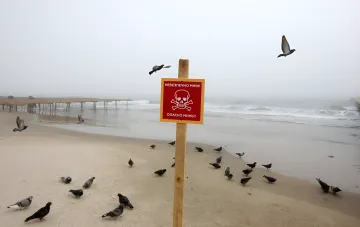
The northwestern part of the Black Sea is rapidly turning into one of the most dangerous zones for international civilian shipping. In early October 2026, merchant vessels heading near the coasts of Romania and Bulgaria were subjected to a series of targeted attacks. These incidents led to casualties, the sinking of ships, and a severe security crisis in the waters bordering NATO member states.
Chronology of October Attacks in the Black Sea
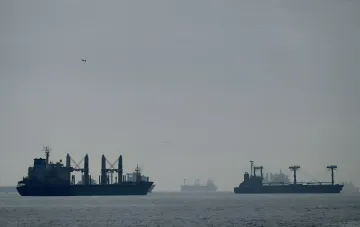
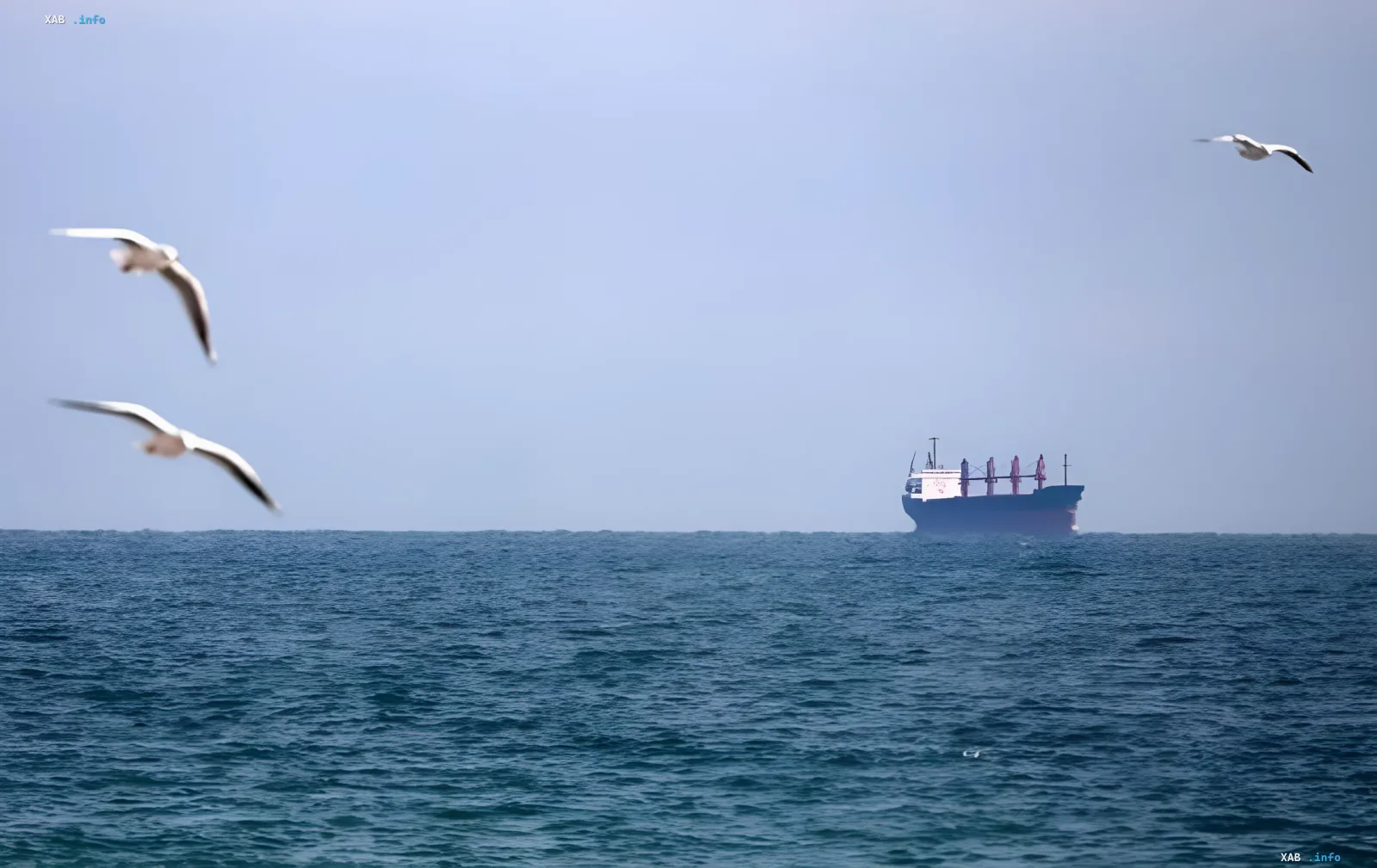
On October 5, the Turkish vessel Royad Mammadov, carrying a cargo of corn from Ukraine's Izmail to Italy, was attacked near Romania's maritime borders. A fire broke out on board, resulting in fatalities among the crew. The very next day, on October 6, approximately 70 nautical miles from the Bulgarian city of Byala, two ships came under attack simultaneously: Alfa Watan (flying the Togo flag) and Able (flying the Palau flag). The first vessel sank with its entire ten-person crew, while the second sustained heavy damage but survived thanks to the evacuation of 18 sailors.
Night Drone Strikes and the Personal Pain of Shipbuilders
A new wave of escalation was recorded on the night of October 13, when three drones attacked the Maltese-flagged vessel Chelsea 3, 18 nautical miles off the Bulgarian coast. The ship, owned by a Ukrainian, was built at the Kherson Shipyard using domestic metal. Marine logistics expert Serhiy Hursky, who directly participated in its construction, noted that the strike on a hull familiar to the last meter became a profound personal loss for him. Despite hits to the deck and board, all 15 crew members were rescued, and five received medical assistance.
Contradictory Data
While official Kyiv authorities and international experts insist on the direct and systematic nature of Russian strikes on civilian logistics targets in the Black Sea, the reaction of Black Sea countries appears restrained. Sofia and Bucharest prefer to make cautious statements, trying not to trigger Articles 4 and 5 of the North Atlantic Treaty. Critics argue that such a moderate stance gives the aggressor an illusion of impunity, while European leaders and EU institutions openly call the Black Sea a new front in a large-scale geopolitical confrontation.
Expert Assessments and Sanction Pressures
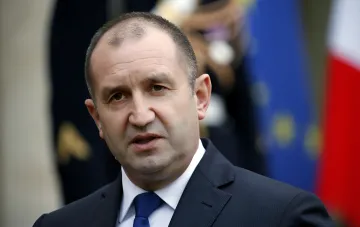
The expert community and Ukrainian representatives are urging the global community to provide an immediate and decisive response. It is proposed to tighten the International Maritime Organization's (IMO) requirements for insurance and technical condition of vessels in order to paralyze the Russian shadow fleet. Bulgaria has already summoned the Russian ambassador for explanations, and the European Union insists on ending any aggressive actions against commercial shipping, warning of the inevitability of further sanction pressure.