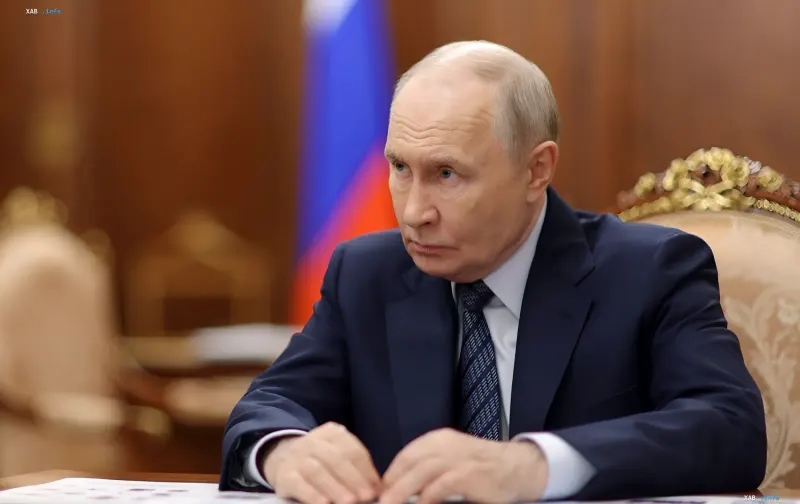
U.S. Senator Tom Tillis, speaking at a briefing for journalists in Kyiv, stated that Vladimir Putin has no interest in ending or even slowing down the fighting before the onset of winter. In his words, the Kremlin is deliberately counting on weathering the cold to gain additional leverage over Kyiv and its Western partners. This was reported by an RBC-Ukraine correspondent. Tillis emphasized that if the Russian leader were "intellectually honest with himself," he would acknowledge the full complexity of his situation, and that his current strategy is a sign of a "desperate despot."
Betting on Winter and Signs of Desperation
Developing this point, the senator listed the factors that, in his assessment, are pushing Moscow to prolong the conflict. "His time is running out. His economy is suffering. He is about to go through elections. He will have to consider forced mobilization after he has paid out thousands of dollars to encourage people to volunteer, and he takes prisoners and sends them to the battlefield," the publication quotes Tillis. That is precisely why, in his belief, Western partners must do everything possible this winter to support Ukraine: the cold, according to the senator, is the card the Kremlin is betting on, hoping to trade for more leverage.
Tactics of Destroying Infrastructure
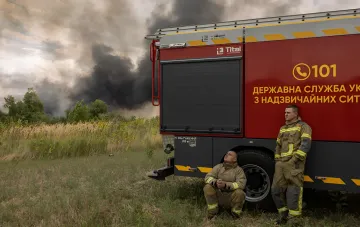
Tillis recalled that since the winter of 2022 he has never once seen Putin seriously interested in stopping the fighting before the cold set in. "It is completely obvious that they have a plan to destroy infrastructure. It is completely obvious that they would like to leave large segments of the population without hot water and heating. This is simply his usual tactic," the senator stated. Thus, he views strikes on energy facilities not as a side effect but as a systematic element of a strategy aimed at undermining the resilience of Ukrainian society precisely during the cold season.
Doubts About the Sincerity of Negotiations
Separately, Tillis spoke about the negotiation track, expressing doubt about the sincerity of the Kremlin's statements on peace efforts. As evidence, he cited the Trump–Putin meeting in Alaska: according to the senator, shortly after that summit Russia only intensified its hostile actions against Ukraine. Against this backdrop, he emphasized that Putin is not currently in a stronger position than Kyiv. On the contrary, in Tillis's assessment, Ukrainians are "at the very least equal partners at the negotiating table," and thanks to the resilience of the population and the president, may even carry somewhat greater weight.
Assessment of the Balance of Power and the Role of the AFU
Concluding his remarks, the senator highly praised the combat performance of the Ukrainian forces. "The AFU did an extraordinary job, repelling the attack of someone we all considered a near-peer competitor to the United States until February 22. The Russians have proven that, with the possible exception of their nuclear arsenal, they can only hope to be a near-peer competitor to the Ukrainian army," Tillis summed up. In his view, this statement effectively marks a shift in the balance of power on the battlefield in Kyiv's favor.
Context of European Warnings
Tillis's position echoes earlier assessments by European politicians. In particular, the head of the Polish Foreign Ministry, Radosław Sikorski, had warned that winter could turn out to be Putin's last hope to break Ukraine. Meanwhile, in Kyiv it is recalled that Putin himself earlier made a cynical statement about Russia's supposed peace efforts, even as the Kremlin continues massive strikes on Ukrainian cities and energy infrastructure. The combination of these signals, in the view of Western politicians, indicates that Moscow does not intend to move toward de-escalation before the cold sets in.