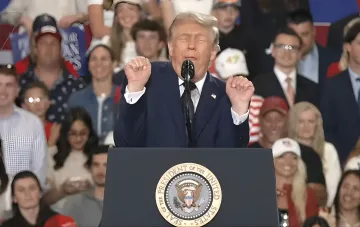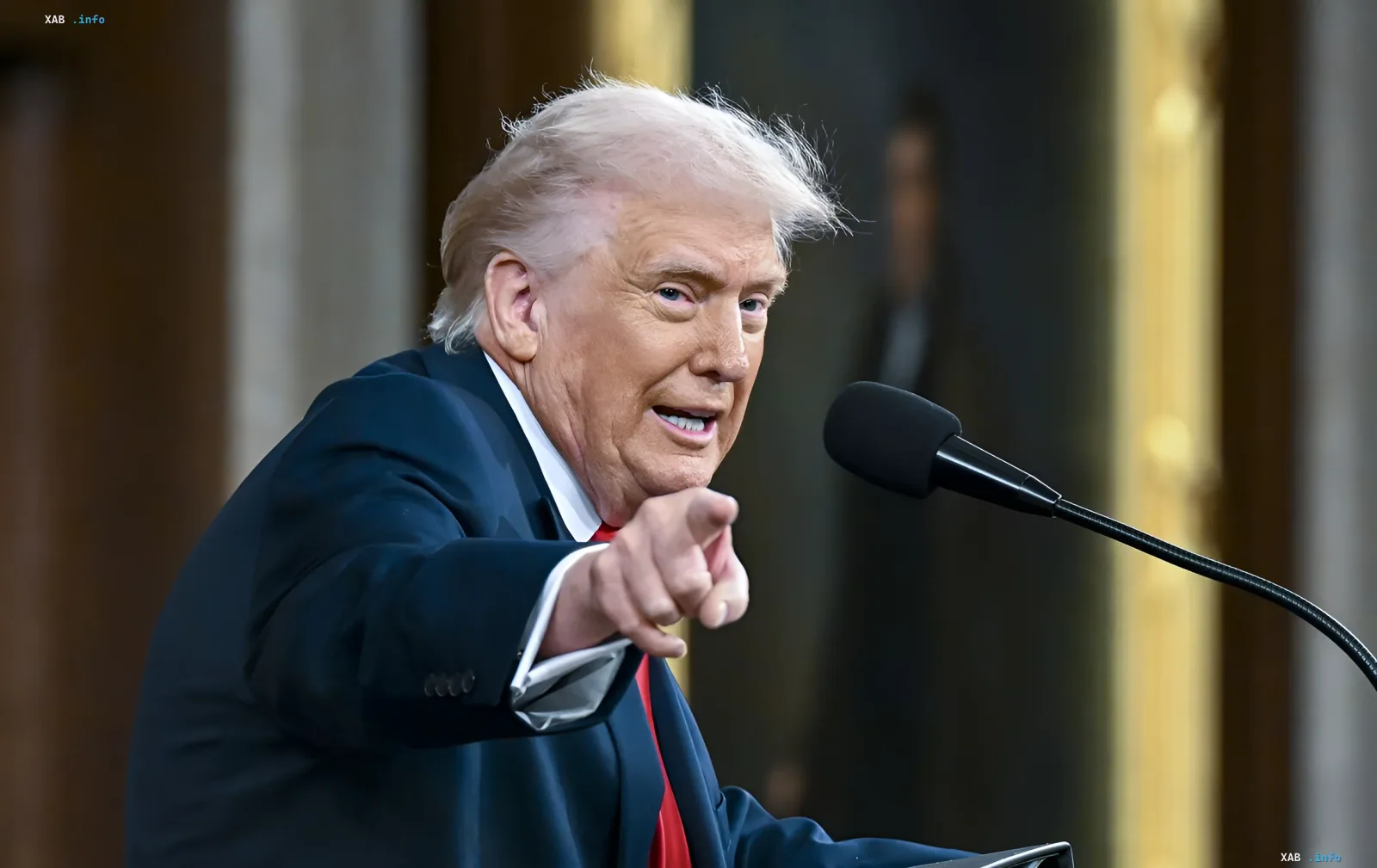
The US administration under Donald Trump has launched a massive campaign to introduce protectionist measures affecting key trade partners and allies. Canada, Brazil, and the European Union, as well as pharmaceutical manufacturers, are at the center of attention. Washington is using tariff barriers as its main tool of pressure, demanding a revision of trade terms and the relocation of production capacity to American territory.
Blow to Canada and Ultimatum to the Pharmaceutical Industry
One of the first and most significant steps was the announcement of a 50% tariff on imports from Canada worth approximately $20 billion. The automotive industry, as well as the dairy and alcohol sectors, were hit. The White House set a strict deadline: if Ottawa does not meet Washington's demands, the restrictions will take effect as early as August 19.
Parallel to this, an ultimatum was issued to generic drug manufacturers. Companies were given two years to relocate production to the US. Otherwise, they face a 100% tariff, which would effectively make their products uncompetitive in the American market.
Brazil's Reaction and Global Tariffs
The situation has also escalated in relations with Brazil. Additional tariffs of 25% on imports from that country have already taken effect. In response, the Brazilian government was forced to allocate a financial aid package of $3.6 billion to exporters to mitigate the economic impact.
Furthermore, the US Department of Commerce announced the introduction of universal tariffs of 10% and 12.5% for most major trade partners. As an official justification, Washington cited insufficient control over forced labor in global supply chains.
Conflict with Europe and Google
By the end of the week, tensions peaked in relations with the European Union. Donald Trump threatened new tariffs in response to a $1 billion fine imposed by European regulators on the Google corporation. Earlier, the US President also expressed dissatisfaction with the subsidization of the European aerospace conglomerate Airbus.
Domestic Reaction and Criticism
The radical trade policy has triggered a stormy reaction within the US itself. American entrepreneurs, fearing for their businesses, have already filed lawsuits with the US Court of International Trade. They accuse the White House of illegally using legislative norms to circumvent previous court rulings.
Experts note that markets are forced to adapt to constant pressure. Josh Lipshitz, Vice President of the Atlantic Council, stated: "Donald Trump is trying to restore the tariff wall".
However, many analysts believe the administration is choosing the wrong targets. Chad Bown, a senior fellow at the Peterson Institute, emphasized that imposing tariffs on allies does not solve the main economic problem posed by China.
Political Ambitions
Against the backdrop of trade escalation, domestic political news is brewing in the US. Donald Trump stated that, in his opinion, he has already won the presidential election "three times." He also announced his intention to run for the office of head of state for a fourth time, adding uncertainty to long-term forecasts for the development of the situation.