On August 9, 2026, a new tragedy occurred in Zaporizhzhia linked to ongoing Russian attacks on the city. While rescuers were working to clear the aftermath of the first strike, a second shelling struck them. As a result, one rescuer was killed, and three others sustained injuries of varying severity.
Chronology of tragic events
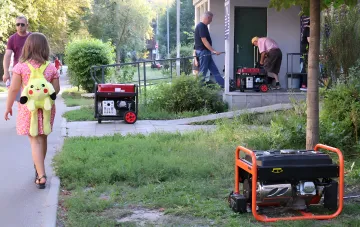
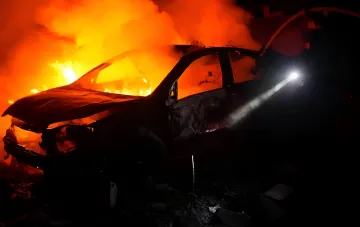
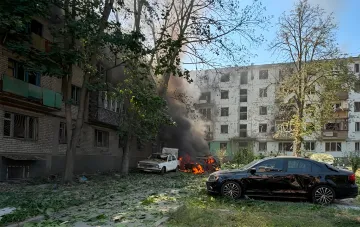
The events unfolded amidst an acute crisis. On the morning of August 9, Russian forces launched a series of strikes on Zaporizhzhia using guided aerial bombs (KABs). The initial attack caused extensive destruction: thousands of residents were left without electricity, and civilian infrastructure, including an industrial enterprise and a garage cooperative, was damaged. Immediately following the first strike, emergency services deployed to the scene to search for victims and assess the damage.
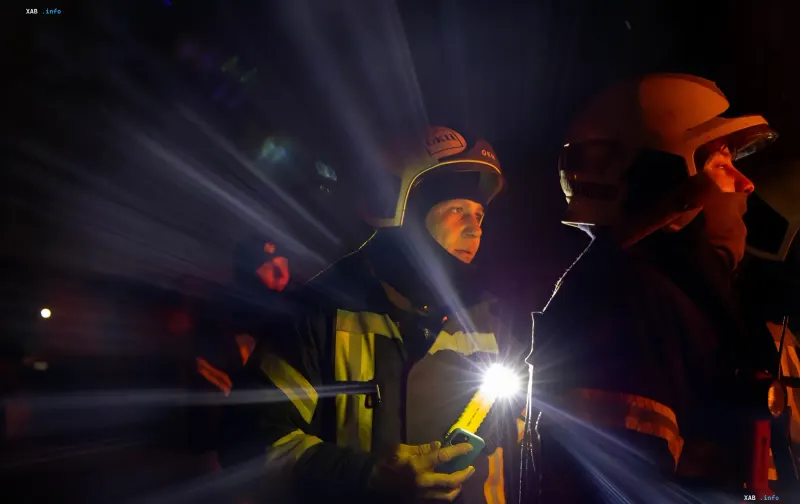
However, while rescuers were on-site, working in the conditions of a devastated city, a second wave of attacks followed. According to press service data, it was at this moment that a group of rescuers came under fire again. One emergency service employee died at the scene, while three of his colleagues were injured. The injured were urgently hospitalized, where they are receiving necessary medical care. The other rescuers present at the site were not injured.
Context of escalation: a series of strikes on the city
The tragedy of August 9 is not an isolated incident but fits into a pattern of aggressive actions against the civilian population of the Zaporizhzhia region. Just a week prior, on August 2, the city was subjected to a similar attack using KABs, which also claimed the lives of civilians and resulted in numerous injuries.
Earlier this year, there were already recorded instances of guided aerial bombs directly hitting residential areas. In particular, one bomb destroyed a private home, resulting in a fatality. At that time, rescuers demonstrated high professionalism by pulling a 22-year-old man alive from the rubble. The report also mentions an incident involving a hit on the regional children's hospital; however, thanks to a timely response to the air raid alarm and the presence of children and medical staff in the shelter, casualties were avoided.
Contradictory data
The provided sources show a minor terminological inconsistency requiring attention during analysis. In a quote from the press service, the deceased rescuer is referred to as an "emergency person." This is likely a typo in the original source, intending to say "person of emergency services" or "rescuer." In the rest of the text and within the context of the incident description, it is clearly referring to an employee of the rescue services performing their professional duties. We use the correct terminology "rescuer" to ensure clarity.
Consequences for infrastructure and the population
Repeated strikes on the same object or area indicate a systematic nature of attacks aimed at destroying critical infrastructure and demoralizing the population. As a result of the events on August 9, the city was left without power, which creates additional health risks for residents during the summer period. Damage to the garage cooperative and the enterprise causes direct economic damage and deprives people of their property. The death of a rescuer is the loss of a highly qualified specialist whose work is essential for the survival of others in wartime conditions.