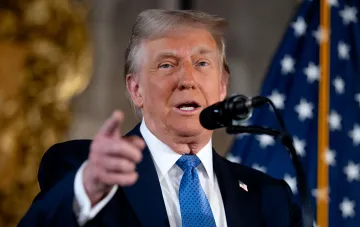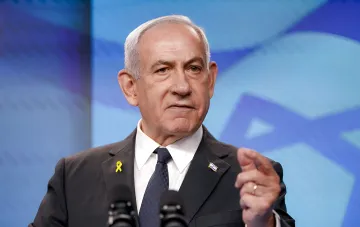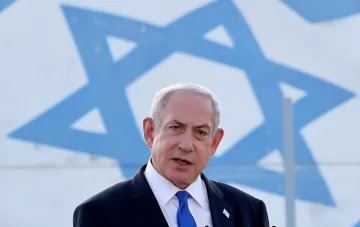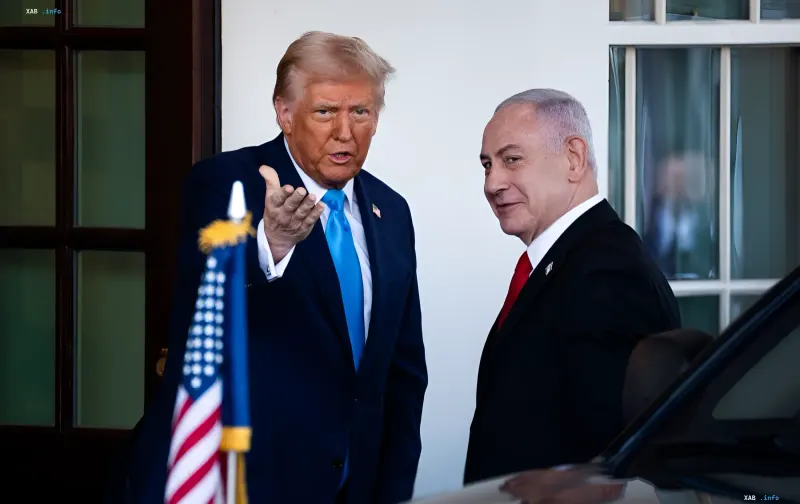
A meeting took place in the White House Oval Office on July 28 between US President Donald Trump and Israeli Prime Minister Benjamin Netanyahu. The main topic of discussion was increasing pressure on Iran. According to sources, the leaders considered a wide range of measures — from "kinetic" to "non-kinetic" tools capable of paralyzing Tehran's economy.
Land Blockade Scenario
One of the key options discussed at the meeting was the possibility of organizing a land blockade of Iran. The essence of the proposal is for the US and Israel to persuade Iran's neighbors and regional partners to strengthen border controls or close border crossings entirely. Such a move could practically cut off imports and exports for the Islamic Republic.
"What if we simply block the land border? Suppose Iran cannot import anything or export anything. Then anything could happen," noted a senior Israeli official commenting on the possible consequences of such a scenario.
Special attention in the plans is paid to strategic crossings on the border between Iran and Turkmenistan — Inch-Burun and Sarakhs. Blocking these hubs could become a critical blow to the country's logistics.
Risks for Regional Partners
However, implementing such a strategy is fraught with difficulties. For the operation to succeed, close cooperation from regional countries is required, which is not always easy to organize. Participation in the blockade could entail serious economic consequences for Iran's neighbors themselves. Furthermore, this increases the risk of retaliatory strikes from Tehran, which could destabilize the situation across the entire Middle East.
Chinese Factor and Military Equipment
Blockading ports or key border crossings also aims to limit Iran's ability to rearm. According to media reports, Tehran is expecting the delivery of hundreds of portable air defense systems (MANPADS) "Sud" from China. Shipments of Chinese equipment are entering the ports of Bandar Abbas and Chabahar in southern Iran. It was previously reported that Iran signed an agreement with Beijing for the supply of up to 400 such systems to strengthen air defenses amid the conflict with the US.
Trump's Strategy and Negotiations
According to the publication, Donald Trump believes that his current strategy of opening the Strait of Hormuz has reached a dead end. In this regard, he is considering various options for increasing pressure that could force Iran to return to negotiations. During the meeting, three possible scenarios for further action were considered, however, Netanyahu did not express a preference for any of them.
A White House representative confirmed the administration's readiness for decisive steps: "The Commander-in-Chief has all options".
Recall that on July 29, the day after the meeting, two Iranian companies and eight tankers were subjected to new US economic restrictions, marking the first practical step in implementing the new line of pressure.