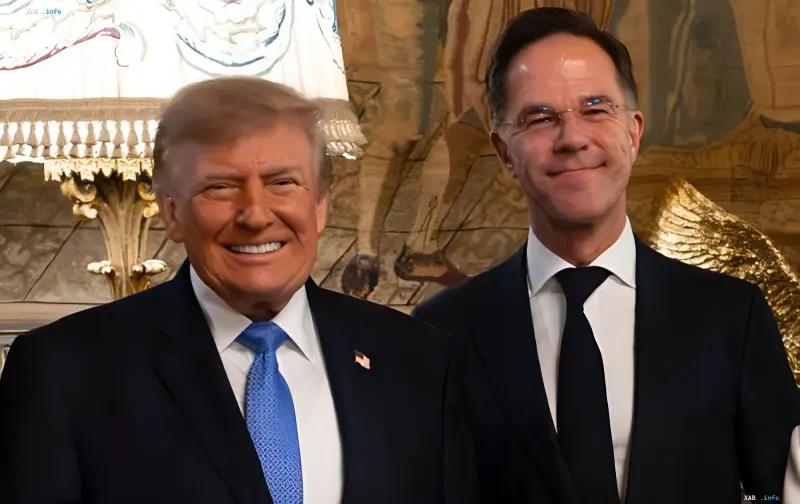
On the evening of November 25, 2026, US President Donald Trump and NATO Secretary General Mark Rutte held a meeting at the Mar-a-Lago estate in Florida, often referred to in American political tradition as the "Southern White House." Following the talks, the parties published a joint statement describing the negotiations as "extremely fruitful" and the meeting itself as "influential." The document, as reported by RBC-Ukraine citing the NATO website, records the key agreements and the shared position of the two leaders on a range of international issues.
Call for Restraint: The Central Thesis of the Statement
The main element of the joint message was a call for Russia to refrain from steps that could expand the conflict. The statement by Trump and Rutte explicitly states: "We also discussed how important it is for Russia to refrain from any actions, intentionally or unintentionally expanding the scope of the war, and how important it is to achieve a peaceful settlement of the conflict as soon as possible." Thus, the Alliance and Washington establish a dual focus — on the impermissibility of escalation, including accidental escalation, and on the priority of a diplomatic end to the war.
Agenda: Ukraine, the Middle East, and Defense Spending
In addition to the Ukrainian track, the parties focused, according to the statement, on the situation in the Middle East as well as "the joint achievements of NATO allies." A separate block is dedicated to security economics: the US President and the NATO Secretary General emphasized the need to continue increasing defense spending and investing in the industrial base both in the United States and in Alliance countries. This reflects a course toward strengthening the defense-industrial potential of the West against the backdrop of prolonged hostilities.
Context: Putin's "Test" and Disputes Over Troops in Europe
The meeting took place against the backdrop of several preceding statements. Earlier, Mark Rutte spoke about how Donald Trump is "testing" Vladimir Putin for readiness for peace, while the US President himself mocked Ukrainian leader Volodymyr Zelenskyy's words about reaching an agreement with Russia by January 2027. Simultaneously, it was reported that a number of NATO members are counting on a change in the White House's position regarding the reduction of US troops in Europe. The joint statement of November 25 can be viewed as an attempt to synchronize the positions of Washington and Brussels before the next stage of settlement.