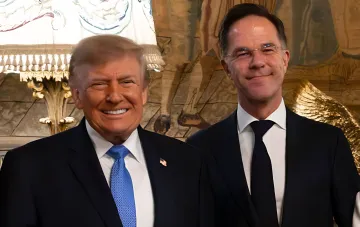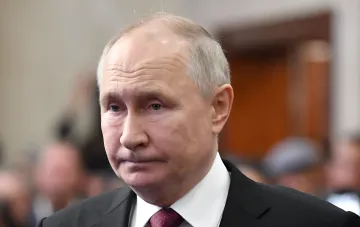
NATO Secretary General Mark Rutte has stated that US President Donald Trump is purposefully “testing” Vladimir Putin, checking his readiness for real negotiations. The head of the Alliance shared this in an interview with Fox News, released ahead of his meeting with the American leader at the Mar-a-Lago estate in Florida on Wednesday, November 25. Rutte's statement came amid ongoing discussions in Western capitals over how effectively Washington is pressuring the Kremlin and what role the US assigns to itself in resolving the conflict in Ukraine.
“Testing” and Direct Questions About Negotiations
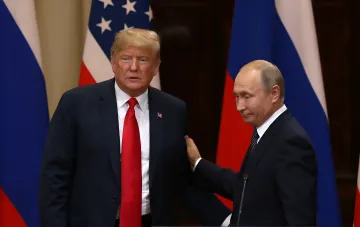
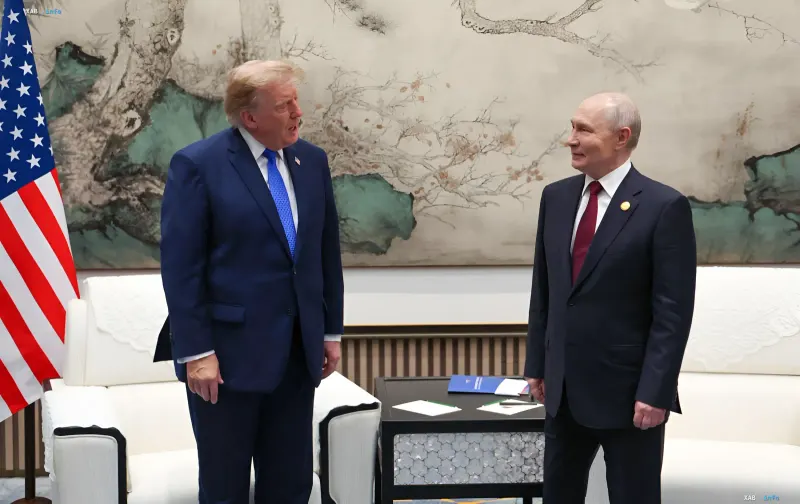
As an example of Trump's approach, Rutte cited last week's meeting between the American and Russian leaders in the Chinese city of Shenzhen. According to the NATO Secretary General, the US president is asking Putin direct questions regarding his intentions: “Is he ready to come to the table? Is he ready to actually engage in negotiations?”, Rutte quoted the American leader's logic. The head of the Alliance expressed his conviction that this line of behavior and pressure on Russia must be maintained: “I think it is working, and we should keep doing it,” he emphasized.
Criticism of the US “Mediator” Role
At the same time, the dpa news agency notes that Trump's relations with Putin are regularly subjected to criticism. According to the agency, the US administration positions itself more as a mediator in finding ways to end the war unleashed by Russia than as a supporter of Ukraine. A separate wave of indignation, as the publication points out, was caused by Trump's recent statement during his visit to China, where he called Putin his “friend.” Earlier, according to a source, Jared Kushner stated that the US does not intend to make decisions regarding the end of the war without the consent of Ukraine and European countries.
Kyiv's Stance: Pressure is Weakening
Ukrainian President Volodymyr Zelenskyy previously reacted to Washington's rhetoric and what he views as insufficient pressure on the Kremlin. In an interview with CNN, he stated that such remarks weaken the position of pressure: “If you talk about Putin as a friend... of course, he doesn't feel like a killer. He doesn't feel enough pressure,” Zelenskyy noted. Thus, the assessment of the effectiveness of American pressure differs between Kyiv and Brussels: Rutte believes it “is working,” while Zelenskyy argues it is insufficient.
Broader Context: Unconventional Contacts and Contradictory Rhetoric
Recently, as the publication notes, Trump has actively demonstrated a readiness for unconventional diplomatic contacts with authoritarian leaders: in particular, he recalled “love letters” with Kim Jong Un and hinted at possible new negotiations, suggesting that their correspondence from his first term could resume. At the same time, on the issue of ending the war in Ukraine, the White House chief's rhetoric remains contradictory — earlier, he reacted ironically to Zelenskyy's statement about striving to reach agreements with the Russian Federation in a short timeframe. Such a position, according to the source, causes discussions among Western allies regarding the real level of Washington's pressure on the Kremlin.