Trump: 'I Don't Want to Disappoint People'
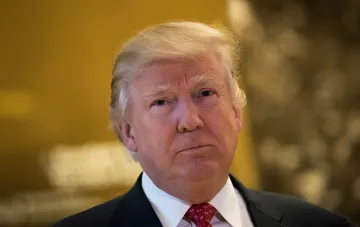
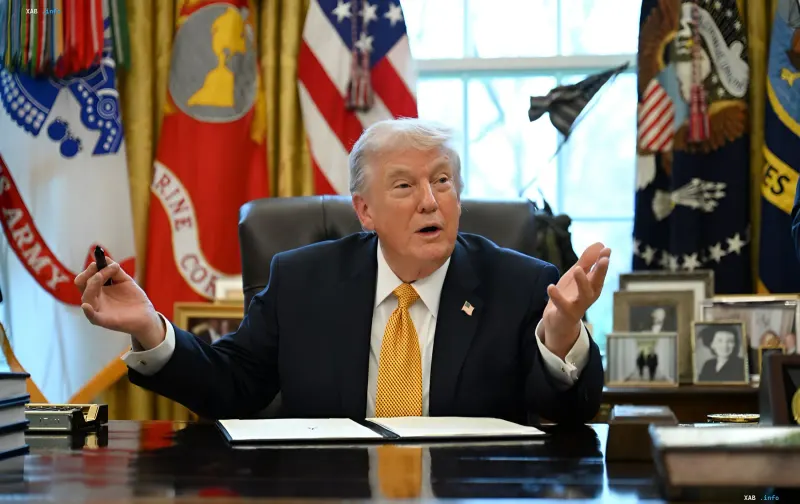
U.S. President Donald Trump, in a phone interview with journalist Glen Beck, publicly commented for the first time on the visit of Central Intelligence Agency Director John Ratcliffe to Moscow, describing it as 'semi-routine.' According to the American leader, the trip is not linked to speculation about possible Kremlin actions against NATO countries. 'He's there, you know, in a kind of semi-routine mode. I don't want to disappoint people. We would like the war in Ukraine to end. This war would never have started if I had been president,' Trump stated, thereby simultaneously outlining his position on the Ukrainian settlement and attempting to dispel the media noise surrounding the CIA director's presence in the Russian capital.
The Versions That Did Not Pan Out
Before Trump's statement, a whole spectrum of speculation had formed around Ratcliffe's stay in Moscow. The most prominent version was the suggestion that Russia might use the situation to test NATO's resolve — a scenario discussed in intelligence and political circles. Among the less likely, yet still voiced, options were even suggestions of a possible strike on the United Kingdom. In his conversation with Beck, Trump directly dismissed all such scenarios, stating that they do not explain the reason for the CIA director's trip. Nevertheless, as a RBC-Ukraine source reported, Ratcliffe's trip may have been linked to U.S. intelligence on Russia's early preparation for mobilization and possible Kremlin plans to 'test NATO's resolve' — a version the president neither publicly confirmed nor refuted in detail.
Lithuania Confirms: Vilnius Knew in Advance
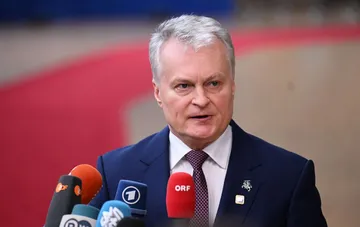
Lithuanian President Gitanas Nausėda, at a press conference with European Council President António Costa, confirmed that Vilnius had been notified in advance of the planned visit by the CIA director to Moscow. 'Yes, we knew,' Nausėda replied briefly, declining to disclose the content of the meeting and emphasizing that it was 'primarily a matter of negotiations between the parties.' According to him, partners informed Lithuania that information about the meeting, its goals, and its content would be provided in the near future. Nausėda suggested that the talks may have been aimed at reducing geopolitical tension in the region: 'I can only assume that this meeting is indeed aimed at reducing geopolitical tension in our region, and that makes me feel positive.'
Visit Logistics and a Request to Ukraine
On August 25, 2026, a U.S. military transport aircraft, the Boeing C-17 Globemaster III, arrived in Moscow. On the same day, it became known that CIA Director John Ratcliffe had arrived in the Russian capital. Against the backdrop of his visit, a RBC-Ukraine source reported that the United States had asked Ukraine to refrain from striking Moscow in the coming days due to the presence of a high-ranking American delegation there. This fact, if confirmed, indicates that the visit had not only an intelligence but also a diplomatic character, requiring coordination with Kyiv at the level of operational restrictions.
Contradictory Data
There is a notable discrepancy between Trump's public position and the assessments given before his statement. On the one hand, the U.S. president characterizes the trip as 'semi-routine' and directly denies any link to scenarios of testing NATO or preparing strikes. On the other hand, a RBC-Ukraine source and political scientist Vladimir Fesenko explained the visit precisely as an intelligence necessity: gathering data on Russia's early preparation for mobilization and assessing the Kremlin's intentions toward the alliance. Fesenko also pointed to possible reasons for the covert nature of the visit, without disclosing them publicly. Thus, it remains unclear whether the trip is truly 'routine,' as Trump claims, or whether it is driven by a specific intelligence task that the White House prefers not to publicize. Neither side has provided documentary evidence that would allow this contradiction to be resolved definitively.
Context and Expert Assessments
Ratcliffe's visit to Moscow takes place against the backdrop of the ongoing conflict in Ukraine and Washington's attempts to find a format for its resolution. Trump's statement that 'the war would never have started if I had been president' once again underscores his rhetoric aimed at positioning himself as a guarantor of peace. At the same time, the fact of the request to Ukraine to limit strikes on Moscow indicates that even a 'routine' visit by the CIA director requires operational coordination among allies and creates temporary restrictions on military operations. Political scientist Vladimir Fesenko, commenting on the possible reasons for the covert visit, did not rule out that the meeting could have become an element of a broader negotiation track that has not yet been taken to the public level. A final assessment of the nature and outcomes of Ratcliffe's visit will only be possible after, as partners promised Lithuania, official information on the goals and content of the talks is provided.