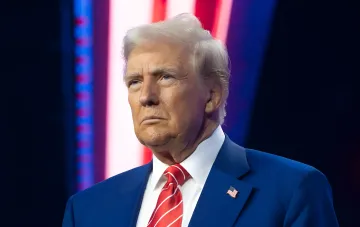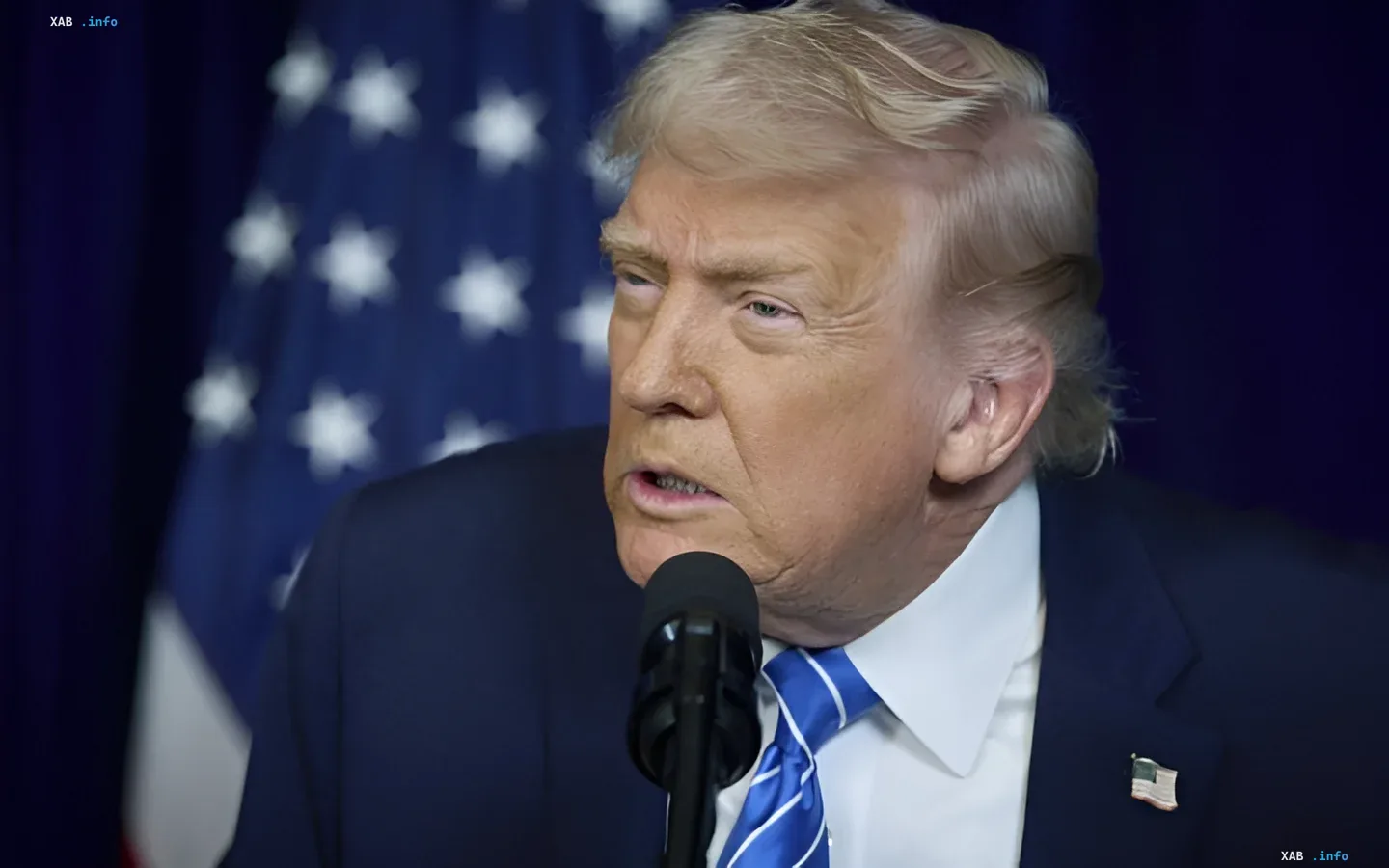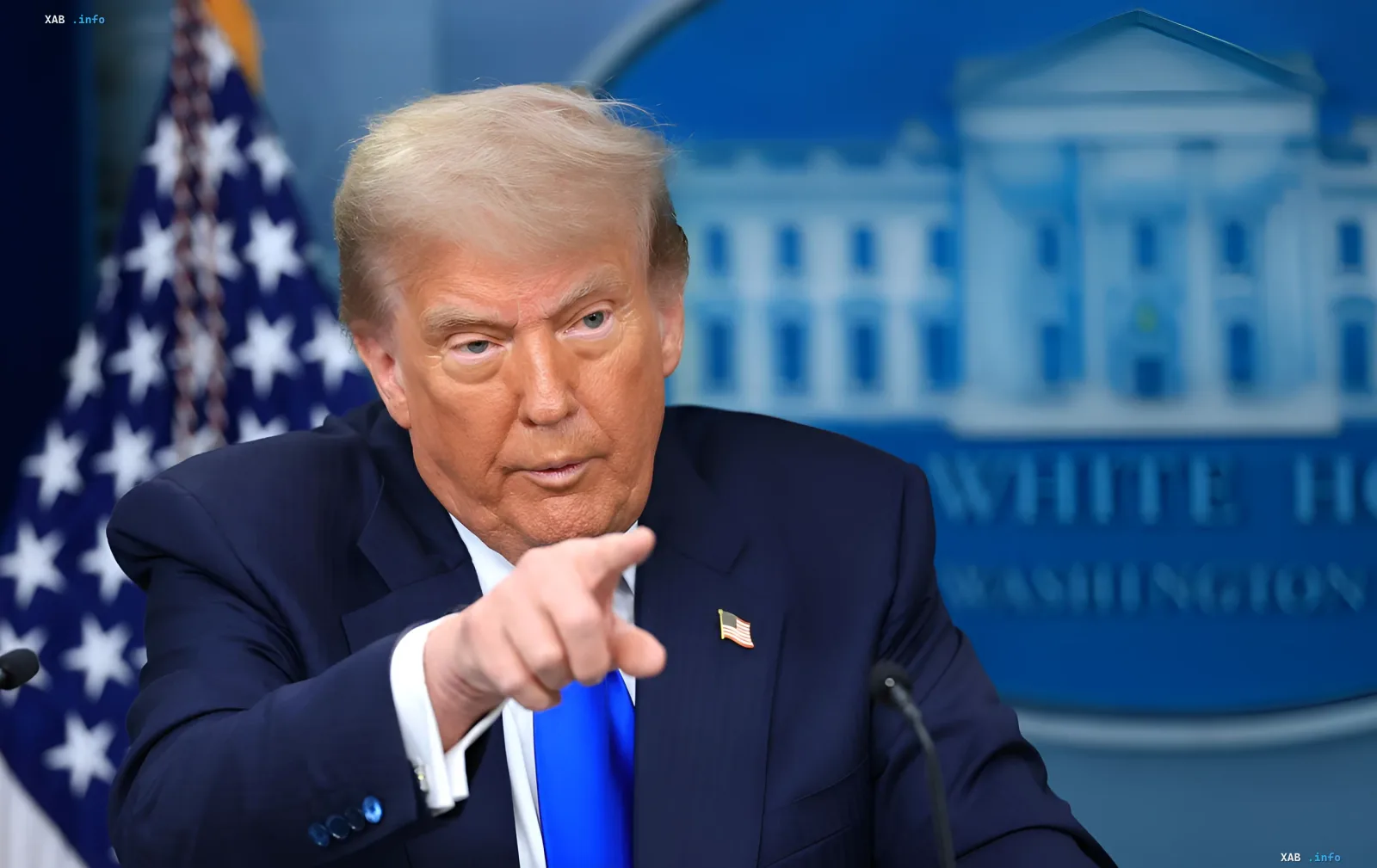
An information storm is brewing in Washington. US President Donald Trump has announced a prime-time address that, according to rumors, is set to become a turning point in the current political agenda. At the center of attention is a topic that has not previously been discussed publicly with such a degree of detail: possible Chinese interference in American elections.
The voter data scandal
Sources familiar with the event preparations report that Trump intends to declare the compromise of American voter data by Beijing. This accusation, if officially voiced, could radically change the rhetoric surrounding the legitimacy of electoral processes in the US. Furthermore, sharp criticism directed at the intelligence agencies is expected during the speech. The President is expected to accuse the CIA of knowing about China's actions but failing to share this critically important information with the head of state during his first term.
Administration reaction
The atmosphere in the White House is tense. Cabinet members and heads of key structures have been invited to the address, indicating the high significance of the event. However, Press Secretary Karoline Leavitt attempted to lower expectations, urging the public not to believe rumors. "As always, anonymous sources are speculating about what President Trump will say during his speech on Thursday evening. The truth is that no one knows yet what President Trump will ultimately say, so everyone should listen," Leavitt stated, emphasizing that the final content of the speech remains incognito.
Conflict with intelligence data
Trump's plans are in direct contradiction with the official assessments of the intelligence community. In early 2021, the National Intelligence Council published a report stating with high confidence that China did not attempt to influence the outcome of the 2020 elections. Experts noted that Beijing considered the risks of interference too high, as neither a Biden victory nor a Trump victory was unequivocally beneficial to them. Additionally, intelligence found no evidence of interference in the vote-counting infrastructure.
Nevertheless, the documents contained a so-called "minority opinion." The National Intelligence Director for Cybersecurity believed with moderate confidence that China attempted to thwart Trump's re-election using social media and official statements. It is precisely this nuance that could become the subject of investigation in the President's speech.
Political context and military ambitions
The address takes place against the backdrop of Trump's ongoing rhetoric that the 2020 elections were "stolen" from him due to mass fraud. The topic of elections remains key for him, despite the lack of evidence supporting his theses.
Parallel to the speech preparations, the administration is discussing issues regarding the expansion of military powers. This refers to the possible strengthening of the role of military structures by presidential decision. In this context, Trump has publicly expressed doubts about whether Vice President JD Vance can effectively lead the corresponding direction in the future, adding intrigue to the White House's personnel policy.